
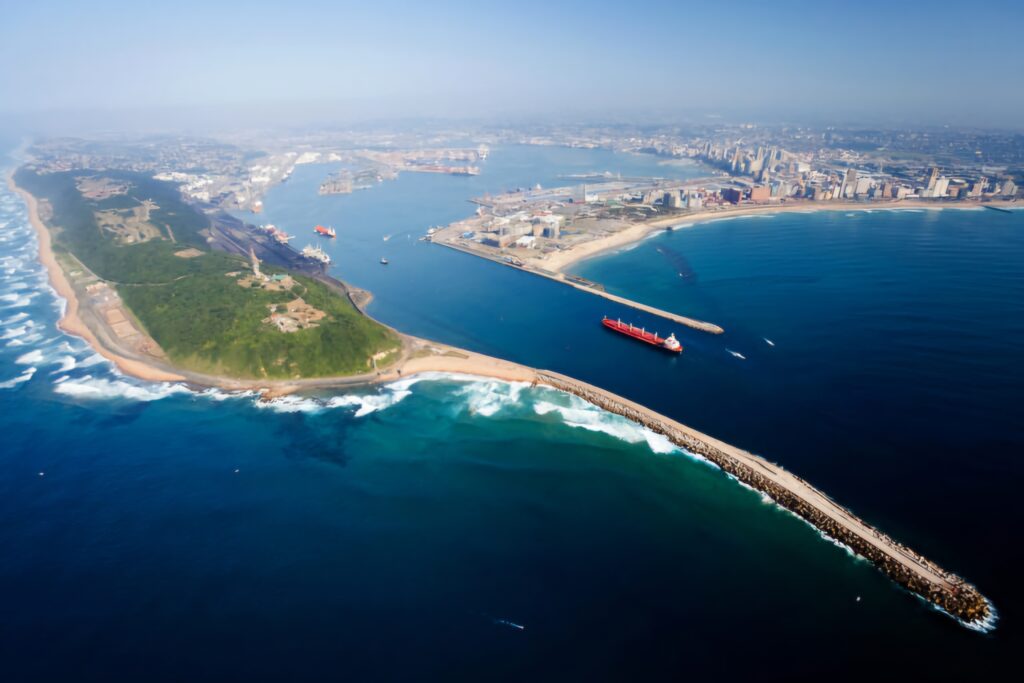
The latest Container Port Performance Index (CPPI) from the World Bank reveals a compelling narrative about the evolving landscape of port operations in South Africa. Recently, Durban and Coega have been recognized as two of the most improved ports globally for 2025, a significant achievement that starkly contrasts with their previous rankings. The fluctuations in performance among South African ports raise essential questions about operational efficiency, investment strategies, and the broader implications for trade and economic growth in the region.
In recent years, the CPPI has drawn attention for highlighting the performance of ports based on metrics such as vessel turnaround times. While this year’s report omitted the list of the worst-performing ports, it serves as a reminder of the challenges faced by South African ports. In 2025, four South African ports—Durban, Coega, Cape Town, and Port Elizabeth—were previously ranked among the least efficient in the world. However, the latest findings indicate a shift toward improvement, especially for Durban, which has seen significant operational enhancements.
The CPPI’s methodology has faced criticism for its narrow focus on vessel wait times without adequately considering factors that contribute to delays, such as infrastructure issues or external supply chain disruptions. Nevertheless, the current report underscores the improvements made at Durban, which has notably reduced vessel waiting times from 20 to zero. This transformation is attributed to a combination of operational stabilizations, better equipment management, and effective reforms. The increased berth utilization rate—from 52% in 2024 to 76% in 2025—demonstrates a strategic shift towards maximizing productive operations, moving away from extended anchorage delays.
One of the significant drivers of this turnaround is the influx of new investments and private-sector involvement. A landmark 25-year concession awarded to the Philippines-based International Container Terminal Services (ICTSI) to manage Durban’s Container Terminal Pier 2 is expected to dramatically enhance its capacity. Projections indicate that container volumes could surge from 2 million to 2.8 million TEUs (twenty-foot equivalent units) within the next few years, positioning Durban more competitively on the global stage.
Key takeaways from this year’s CPPI findings include:
1. **Operational Improvements**: Durban and Coega are now recognized for their enhanced operational efficiency, with a marked decrease in vessel waiting times and improved berth utilization.
2. **Investment and Reform**: The recent influx of private investment, exemplified by the ICTSI concession, is a critical factor in driving improvements in port operations.
3. **Challenges in Other Ports**: While Durban and Coega are on the rise, ports like Cape Town continue to struggle, facing delays primarily due to adverse weather conditions and equipment reliability issues.
4. **Global Context**: Despite improvements, sub-Saharan Africa remains significantly behind other regions in port performance. Only Tanger Med in Morocco made it to the top 10 globally, highlighting the need for continued investment in infrastructure and operational efficiencies across the continent.
For traders and investors, these developments present both challenges and opportunities. The improvements in Durban and Coega signal a positive trajectory for South Africa’s trade capabilities, which could enhance the attractiveness of the region for global shipping lines and logistics companies. Increased efficiency at these ports can lead to reduced shipping costs and faster delivery times, benefiting businesses reliant on timely supply chain operations.
However, it is crucial for stakeholders to remain vigilant regarding the ongoing issues affecting other ports, particularly Cape Town. Persistent weather disruptions and equipment failures underscore the importance of maintaining a robust infrastructure and operational resilience across all ports in the region.
In conclusion, the latest CPPI findings paint a picture of cautious optimism for South African ports. With Durban and Coega showing significant improvement, the potential for enhanced trade efficiency is on the horizon. However, for this momentum to continue, sustained investment and reform across the entire port system will be necessary. Stakeholders must work collaboratively to address existing challenges while seizing the opportunities that come with improved port performance, ultimately driving economic growth and strengthening South Africa’s position in the global logistics landscape.