
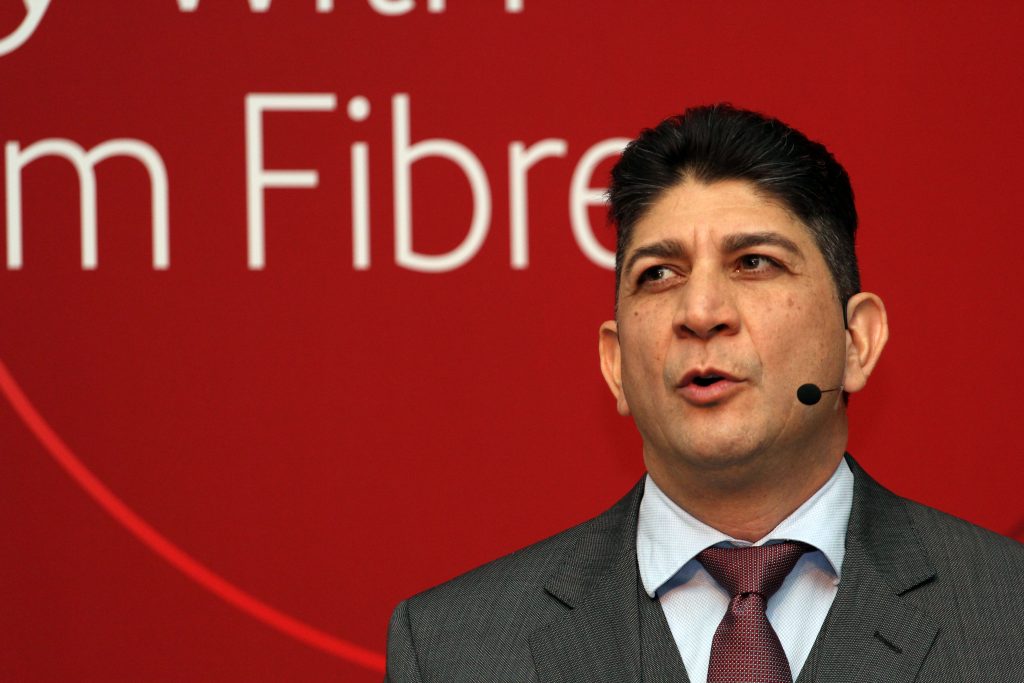
In the competitive landscape of telecommunications, executive compensation packages often spark debate and scrutiny. Vodacom Group, a prominent player in this sector, recently disclosed its CEO Shameel Joosub’s remuneration for the financial year ending March 31, 2026. The staggering figure of R137.4 million has raised eyebrows, but beyond the numbers lies a complex structure of incentives and performance metrics that reflect not only Joosub’s leadership but also Vodacom’s strategic objectives.
To fully understand the implications of Joosub’s pay, it is essential to delve into the components that make up his total remuneration. Out of the R137.4 million, a significant portion—almost R62 million—was allocated towards taxes, which brings his net earnings to R75.6 million. This post-tax figure illustrates the high earning potential for top executives in successful companies, but it also highlights the substantial tax contributions that come with such wealth.
The composition of Joosub’s pay package reveals a strategic emphasis on long-term incentives (LTIs), which accounted for R74.6 million of his total remuneration. This focus on LTIs, rather than solely guaranteed pay, aligns with a growing trend among corporations to tie executive compensation to company performance over an extended timeframe. In Joosub’s case, his guaranteed salary stood at R19.4 million, reflecting a modest increase of 5.2% from the previous year. Additionally, he was provided with benefits such as security and a cellphone, valued at R7.7 million, underscoring the risks associated with high-level executive roles.
Breaking down the performance-related aspects of Joosub’s compensation, we find that he received R26.9 million in short-term incentives (STIs), which are contingent upon achieving specific performance metrics. These metrics included service revenue growth, earnings before interest and taxes (EBIT), operating free cash flow, revenue market share, net promoter scores (NPS), and customer churn rates. The remuneration committee deemed Vodacom’s performance in these areas to be outstanding, achieving 137.2% of the target for STIs.
The long-term incentives, which are critical for aligning the CEO’s interests with those of shareholders, are based on various performance indicators: 60% weighting on operating free cash flow, 30% on total shareholder return relative to peer companies, and 10% on environmental, social, and governance (ESG) targets. Vodacom excelled in these areas, achieving a performance rating of 145.8%, translating to an impressive 313% payout of the maximum potential for Joosub’s LTIs.
Investors and traders alike should take note of the competitive nature of Joosub’s long-term incentives, which not only reflect his commitment to Vodacom but also indicate the company’s standing relative to its peers. The peer group comprises notable companies such as MTN Group, Aspen Pharmacare, and Richemont, among others. The current shareholding requirement for Joosub stands at over 300%, which illustrates his vested interest in Vodacom’s success and aligns his financial interests with those of the shareholders.
For investors, understanding the structure of executive compensation packages is crucial. It can serve as a barometer of the company’s performance and strategic direction. Vodacom’s commitment to long-term growth, as evidenced by the substantial LTIs, suggests that the company is not only focused on short-term profitability but also on sustainable growth that benefits shareholders in the long run.
In conclusion, Shameel Joosub’s remuneration package is a multifaceted structure that reflects both personal achievement and corporate performance. While the total figure may seem excessive at first glance, it is essential to consider the various incentives that drive Joosub’s performance and align it with Vodacom’s long-term goals. For investors, this case emphasizes the importance of scrutinizing executive compensation packages, as they often indicate the underlying health and strategic direction of a company. Vodacom’s approach to incentivizing its leadership may very well serve as a template for other firms aiming to balance executive rewards with shareholder interests in an increasingly competitive market.