
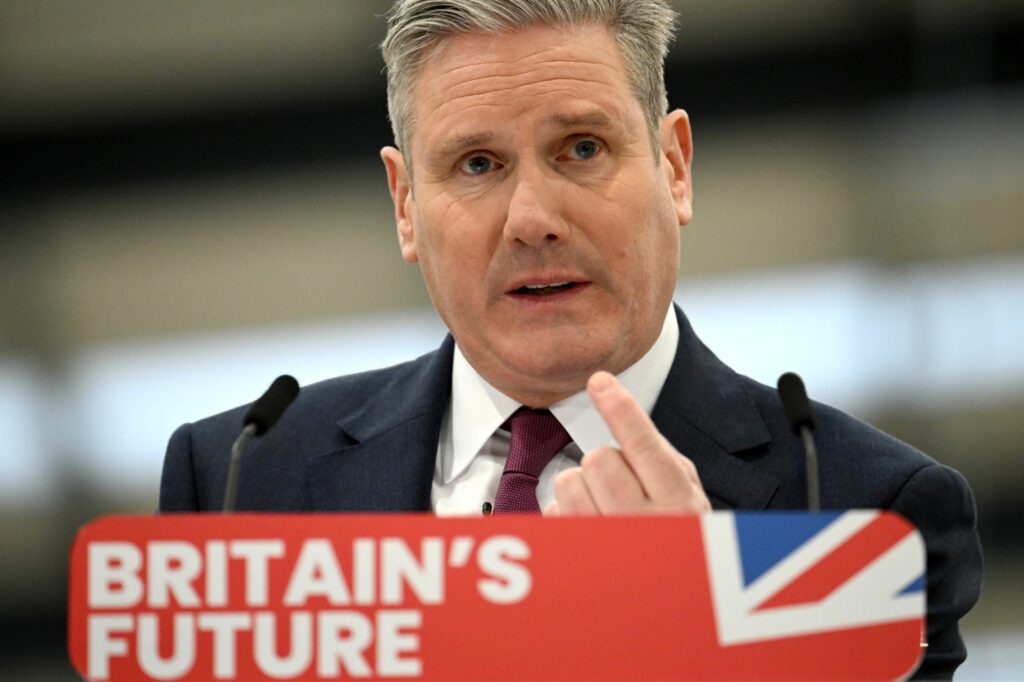
In an era where digital interaction plays a central role in the lives of young people, the risks associated with online platforms have become a pressing concern for parents, policymakers, and society at large. This week, UK Prime Minister Keir Starmer is set to unveil a significant initiative aimed at safeguarding British teenagers from the myriad threats prevalent in the online space. Starmer’s announcement comes at a pivotal moment, as he prepares to navigate both domestic challenges and international engagements.
The anticipated measures include a ban on individuals under the age of 16 from accessing major social media platforms, curfews for older teenagers, and stringent regulations surrounding chatbots. This initiative is not merely a reaction to public sentiment; it is a proactive approach to a growing issue that has left many families feeling vulnerable and concerned about the well-being of their children.
The rationale behind Starmer’s proposal cannot be overstated. The proliferation of harmful content and the pervasive influence of social media on mental health have prompted calls for more robust regulations. With numerous high-profile cases of cyberbullying and mental health crises linked to online interactions, the demand for protective measures has gained momentum. Starmer himself articulated the urgency of this decision, framing it as a choice between supporting families and maintaining a status quo that fails to address the risks faced by young people online.
While the proposed measures have garnered public support, skepticism remains regarding their enforceability. Critics point out that implementing a blanket ban on social media usage for those under 16 presents significant challenges. How will compliance be monitored? What consequences will platforms face for non-adherence? These questions linger as the government moves forward with its plans.
Moreover, the timing of the announcement has raised eyebrows. Following the resignation of his defense secretary and ongoing debates about the UK’s military budget, some observers speculate that Starmer may be using this policy rollout as a means to regain momentum and solidify his leadership. The opposition has not been shy in highlighting what they perceive as a hasty and poorly conceived plan, accusing the Labour leadership of prioritizing political optics over nuanced policy-making.
The implications of this policy extend beyond immediate political ramifications. If successfully implemented, it could set a precedent for other nations grappling with similar issues. Australia recently enacted its own restrictions on social media use for teenagers, and Starmer’s initiative appears to take that a step further. Should the UK’s approach prove effective, it may inspire other countries to adopt comparable measures, potentially reshaping the landscape of online engagement for young people globally.
Key points to consider from this situation include:
1. **Public Sentiment**: There is significant backing among the public for measures that protect young people online. This support may influence future elections and policymaking.
2. **Challenges of Enforcement**: The feasibility of enforcing a social media ban poses considerable questions. Stakeholders must explore practical solutions to monitor compliance and ensure accountability among tech platforms.
3. **Political Dynamics**: The timing of Starmer’s announcement is critical, especially as he faces internal challenges within his party. The outcomes of upcoming elections could profoundly impact his leadership trajectory.
4. **Global Influence**: The UK’s stance on these issues may influence other nations, particularly those with similar social media challenges. A successful implementation could lead to a ripple effect across borders.
For traders and investors, the unfolding situation presents a nuanced perspective on the intersection of policy and market dynamics. The tech sector, particularly social media companies, could face increased scrutiny and regulation, which may affect stock valuations and growth projections. Investors should remain vigilant, as public sentiment and regulatory changes can rapidly shift market conditions.
In conclusion, Keir Starmer’s forthcoming announcement marks a crucial step in the ongoing dialogue surrounding youth safety in the digital age. While the initiative is commendable in its intent to protect vulnerable populations, the execution and impact of these measures remain to be seen. As the Prime Minister navigates the complexities of governance, public opinion, and international relations, the outcome of this week could significantly shape the future of online engagement for teenagers in the UK and potentially beyond. The intersection of policy, technology, and societal well-being continues to be a landscape worth watching closely.