
The Strait of Hormuz, a crucial maritime passage for global oil and gas, is once again at the center of international attention. Recent developments suggest a potential peace deal between Iran and the United States that could lead to the reopening of this vital waterway within days. However, the response from shipowners and traders has been one of caution and skepticism. As the world watches this situation unfold, it’s essential to examine the implications of this potential reopening and the factors that traders and investors need to consider.
The Strait of Hormuz, strategically located between the Persian Gulf and the Gulf of Oman, serves as a transit point for approximately 20% of the world’s oil supply. Given its importance, any disruption in the strait can have immediate and far-reaching consequences on global energy markets. The recent tensions between the U.S. and Iran have exacerbated these disruptions, leading to a significant decline in maritime activity and raising concerns about the safety of shipping routes in the region. With the announcement of a tentative agreement aimed at resuming traffic, stakeholders are eager to understand what this means for their operations.
While the prospect of reopening the Strait of Hormuz is encouraging, traders are approaching the situation with a healthy dose of skepticism. The announcement of a peace deal, including a statement from U.S. President Donald Trump indicating that the strait could reopen shortly, has left many in the maritime industry uncertain. The historical context of the negotiations has been fraught with false starts and broken agreements, making it difficult for shipowners to rely on official statements alone. As the industry grapples with the reality of the situation, the immediate challenge is to assess whether safe transit is genuinely achievable.
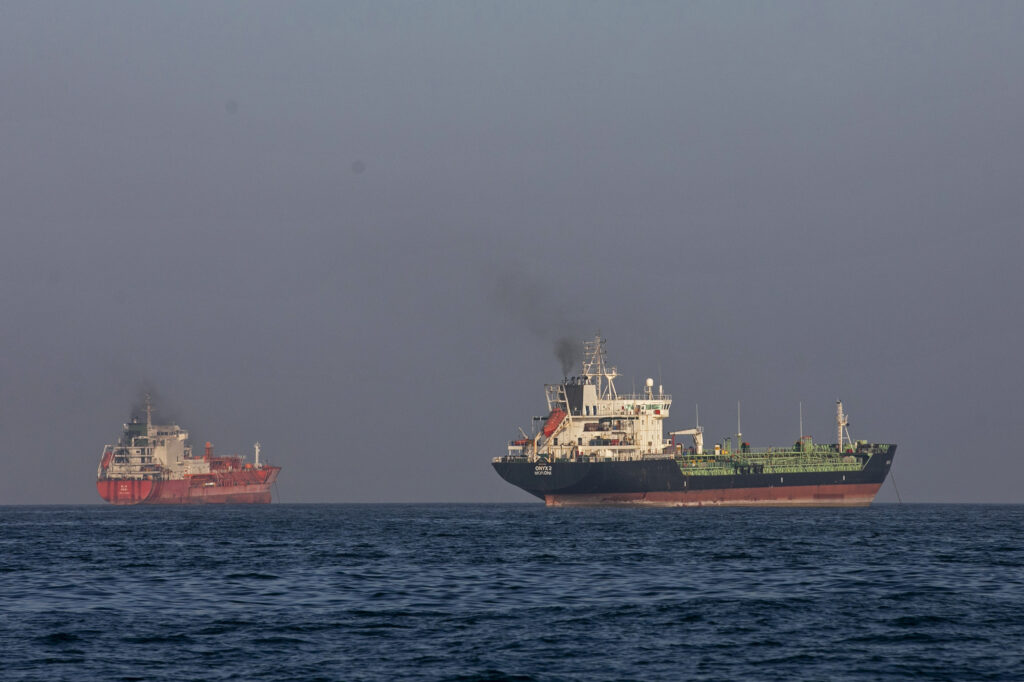
Key points to consider in this evolving scenario include the current backlog of vessels in the Persian Gulf. Reports indicate that nearly 600 ships are stuck, awaiting passage through the strait. Furthermore, hundreds of additional vessels remain on the other side, creating a bottleneck that could significantly impact global oil supply. While reopening the strait theoretically allows for millions of barrels of oil to flow, practical issues loom large. These include logistical challenges such as the need for maintenance on vessels that have been inactive for months, as well as the potential for competition among ships to navigate the narrow corridor safely.
Security remains a paramount concern for shipowners. The region has seen various incidents of aggression, including Iranian forces firing on ships and seizing vessels, which has left many captains and crews on edge. As Brett Erickson of Obsidian Risk Advisors notes, the maritime industry is acutely aware that even a minor miscalculation or a sudden political shift could escalate tensions and jeopardize the safety of those navigating these waters. The uncertainty surrounding potential mines and other security threats in the strait adds another layer of complexity to the situation.
For traders and investors, the reopening of the Strait of Hormuz could provide opportunities for profit, but it may also present substantial risks. The market’s response will likely depend on the perceived stability and security of the shipping routes. Investors should closely monitor developments and consider diversifying their portfolios to mitigate potential losses associated with geopolitical instability. Furthermore, staying informed about the dynamics of oil supply and demand is crucial. If the strait reopens and normalizes shipping traffic, it could lead to an increase in oil supply, potentially impacting prices.
In conclusion, while the potential reopening of the Strait of Hormuz presents an opportunity for a much-needed resumption of maritime activity, caution is warranted. The history of negotiations between Iran and the U.S. is marred by uncertainty, and the current geopolitical climate could quickly change. For traders and investors, understanding the risks involved and remaining adaptable in the face of evolving circumstances will be essential. As the world watches closely, the next steps taken by both nations will significantly influence the global energy landscape and the safety of maritime navigation through this critical corridor.