
In recent weeks, global oil markets have witnessed a seismic shift, largely driven by geopolitical developments in the Middle East. The announcement of an interim agreement between the United States and Iran to end their prolonged conflict has sparked both optimism and caution among traders and investors. As talks progress and the potential for reopening the vital Strait of Hormuz looms, oil prices have experienced significant fluctuations. This blog post will delve into the implications of this evolving situation, examining what it means for global energy markets and how investors can navigate these turbulent waters.
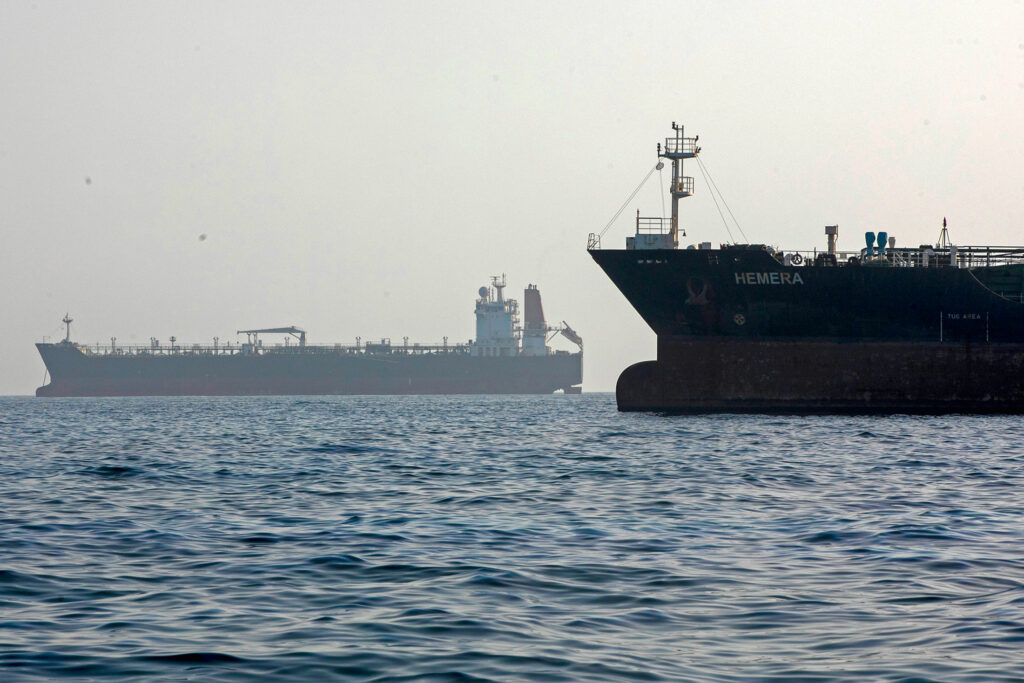
The Strait of Hormuz is a critical artery for global oil transportation, accounting for approximately 20% of the world’s oil trade. Its closure during the recent conflict has led to a supply crunch, sending oil prices soaring. However, the prospect of peace has resulted in a notable decline in prices, with Brent crude dropping nearly 5% to around $83 a barrel, while West Texas Intermediate (WTI) hovered near $80. This downward trend is a stark contrast to the peaks seen earlier in the year, illustrating how quickly sentiment can shift in reaction to geopolitical news.
While President Donald Trump’s declaration of a “toll-free opening” of the Strait of Hormuz has been met with enthusiasm, analysts urge a cautious approach. The lack of specific details regarding the agreement raises questions about its practicality and the timeline for implementation. Moreover, the logistics of restarting shipping operations in the strait, which may still face challenges such as mine clearance and potential Iranian control over vessel passage, add layers of complexity to the situation.
The backdrop of this agreement is marked by a series of aggressive actions from both the U.S. and Iran. The conflict began in February when the U.S. and Israel launched strikes aimed at curbing Iran’s nuclear ambitions, prompting retaliatory measures from Tehran, including military actions across the Persian Gulf and the blockade of the Strait of Hormuz. As tensions escalated, oil prices spiked initially before showing signs of stabilization as negotiations progressed and some oil flows resumed. The recent agreement signals a pivotal moment in which traders are keenly aware of the delicate balance between supply and geopolitical risk.
Key takeaways from this evolving narrative include the following:
1. **Price Volatility**: The recent agreement has caused oil prices to fluctuate significantly, underscoring the sensitivity of energy markets to geopolitical developments.
2. **Caution in Recovery**: Despite the optimism surrounding the potential reopening of the Strait of Hormuz, practical challenges remain that could hinder a quick recovery in oil supply.
3. **Market Dynamics**: The narrowing of Brent’s prompt spread indicates a shift in market dynamics and a potential easing of supply concerns, although it still reflects a bullish sentiment.
For traders and investors, the current landscape presents both risks and opportunities. It is essential to remain vigilant and closely monitor the unfolding situation in the Middle East. The potential for renewed oil output from Persian Gulf fields that were previously shut-in could create significant trading opportunities, especially if clarity emerges regarding the terms of the agreement and the timeline for implementation.
Moreover, the broader implications of the agreement extend beyond oil. As the conflict in the Persian Gulf stabilizes, other commodities may also experience shifts in demand and pricing. Natural gas futures fell in response to the news, while precious metals like gold saw gains, indicating a flight to safety amid uncertainty.
As we move forward, it is crucial for investors to adopt a well-informed and strategic approach. Keeping an eye on the geopolitical landscape and understanding the intricacies of the oil supply chain will be vital for making sound investment decisions. The potential reopening of the Strait of Hormuz could signal a return to normalcy in the energy markets, but the path to recovery may be fraught with challenges.
In conclusion, the recent U.S.-Iran agreement represents a significant turning point for global oil markets. While the prospects of easing supply constraints are promising, traders and investors must remain cautious and adaptable in the face of ongoing uncertainty. As the situation develops, staying informed and responsive will be key to navigating this complex and dynamic environment. With careful analysis and strategic planning, there are opportunities to be seized in the ever-evolving world of energy trading.