
The recent debut of SpaceX on the stock market has set the financial world abuzz and has reignited discussions among investors about the implications for both the technology sector and the broader market landscape. Following a successful initial public offering (IPO) that marked a historic moment in financial history, investors are now shifting their attention to other key geopolitical developments and economic indicators that may shape the market in the coming weeks.
In the wake of SpaceX’s IPO, which was the largest in history, optimism is permeating the air as investors contemplate the potential for a peace agreement between the United States and Iran. The agreement to allow the reopening of the Strait of Hormuz has sparked hopes for de-escalation in the region, which could signal an end to the economic turmoil that has been exacerbated by ongoing conflicts. This geopolitical shift appears to have influenced market futures positively, with the S&P 500 Index futures climbing 1.2% as traders react to the news over the weekend.
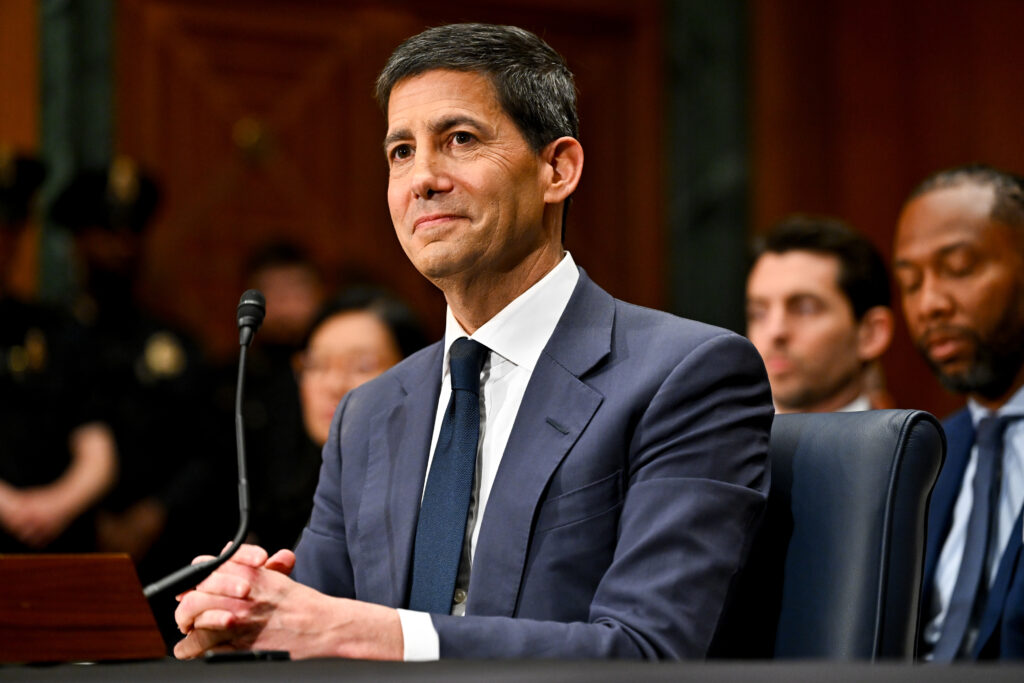
Investors are keenly aware that the next major event on the horizon is the Federal Reserve’s upcoming vote on interest rates, scheduled for Wednesday. The decision will be particularly noteworthy as it will be accompanied by a press conference led by the new chair of the Federal Reserve, Kevin Warsh. Appointed by President Donald Trump, Warsh’s stance on monetary policy—especially in light of rising inflation—will be closely scrutinized. Trump has been vocal about his desire for aggressive interest rate cuts, despite the inflationary pressures resulting from geopolitical tensions.
Market analysts believe that how Warsh navigates his first press conference will be pivotal. Art Hogan, chief market strategist at B Riley Wealth, noted that while Warsh may not typically favor public speaking engagements, his approach will offer valuable insights into the Fed’s future direction. Investors are likely to assess whether the Fed will prioritize economic growth over inflation control in an environment where rising oil prices—partly a consequence of the Iran situation—continue to challenge the market.
The thriving SpaceX IPO serves as a barometer for investor sentiment, particularly regarding the booming artificial intelligence (AI) sector. With SpaceX’s strong performance, shares opened at $150, significantly above the IPO price of $135, and later surged by over 30% before stabilizing, ultimately closing at $160.95. This impressive debut not only elevated SpaceX to a market capitalization of approximately $2.2 trillion but also positioned it as the sixth most valuable public company globally.
The success of SpaceX is particularly relevant as it sets a precedent for upcoming IPOs in the tech space, especially competitors like Anthropic PBC and OpenAI, which are also eyeing public offerings with valuations potentially exceeding $1 trillion. The overwhelming demand for SpaceX shares reflects a shift in market dynamics, moving away from the trend of buybacks that have historically supported stock prices by reducing share counts.
Dec Mullarkey, managing director at SLC Management, emphasized that a poor reception for SpaceX could have dampened investor enthusiasm for other upcoming mega-IPOs. However, with SpaceX’s successful launch, the prospects for future share offerings look promising, particularly in the AI domain—a sector that has gained substantial traction this year, despite the headwinds from rising oil prices.
For traders and investors, the successful IPO of SpaceX signals a robust appetite for innovation and technology-driven companies, even amidst geopolitical uncertainties. This trend could lead to increased volatility as new players enter the market, competing for attention and investment.
In conclusion, as investors digest the implications of SpaceX’s record-setting IPO alongside the evolving geopolitical landscape, the focus will inevitably shift toward how these factors influence monetary policy and market sentiment. With the Federal Reserve’s upcoming decision on interest rates and the potential for a peace agreement between the U.S. and Iran, market participants must remain vigilant and agile, ready to respond to changes that could impact their investment strategies. The convergence of technology and geopolitical developments presents both challenges and opportunities, making this an exciting period for market observers and participants alike.