
In a significant shift in geopolitics, the United States and Iran have reportedly reached an interim peace agreement aimed at reopening the vital Strait of Hormuz, a waterway crucial for global oil transportation. This development comes in the wake of a prolonged conflict that has claimed thousands of lives across the Middle East. As news of the agreement broke, equity and bond markets reacted positively, while oil and natural gas prices, which had surged due to previous tensions, saw a notable decline. This blog post will explore the implications of this agreement, its impact on traders and investors, and what it means for the future of US-Iran relations.
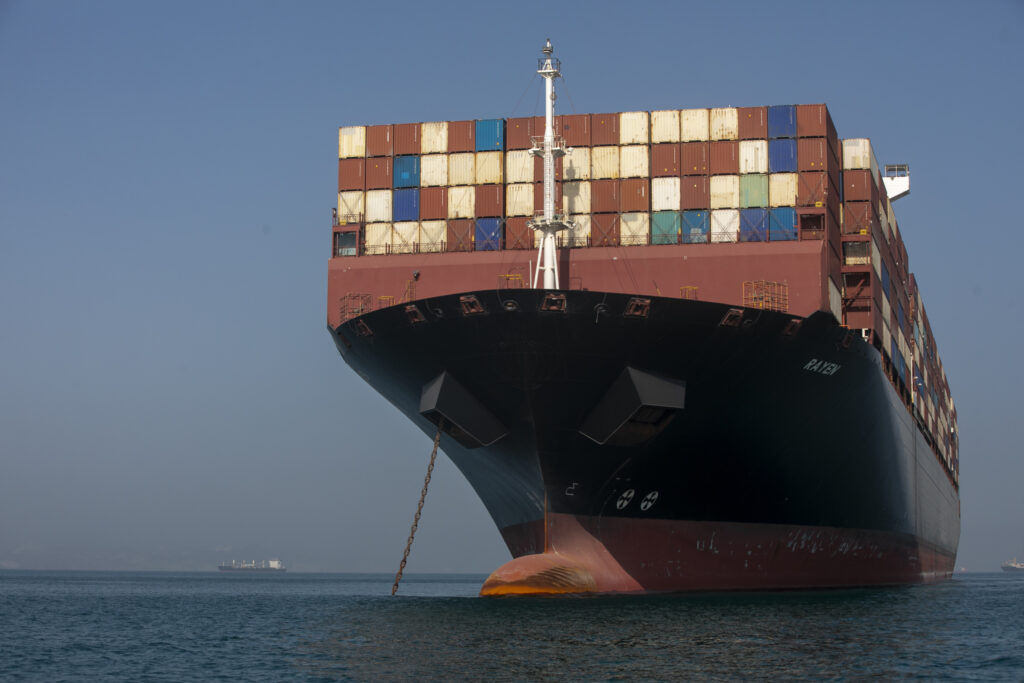
The Strait of Hormuz is often referred to as a “chokepoint” for oil supplies, with approximately 20% of the world’s oil passing through its waters. The closure of this strait had previously led to heightened prices for crude oil and natural gas, which in turn affected fuel costs globally. With the peace agreement potentially paving the way for the reopening of this critical maritime route, the market’s immediate reaction reflects a collective sigh of relief from investors and traders alike.
On a broader scale, this interim agreement can be seen as a strategic maneuver by US President Donald Trump, who faces mounting pressure as rising fuel prices threaten to impact his party’s prospects in the upcoming midterm elections. Trump celebrated the announcement, framing it as a monumental achievement that would usher in peace and security across the Middle East. Interestingly, he pushed for the announcement to coincide with his 80th birthday, adding a personal milestone to this geopolitical event.
Despite the optimism surrounding the agreement, it is important to recognize that both Washington and Tehran still have significant hurdles to overcome before the deal is fully realized. The two parties plan to sign a memorandum in Switzerland, with specific details yet to be disclosed. Key to the negotiations is a 14-point plan aimed at extending an existing ceasefire while initiating new discussions on Iran’s nuclear program and its uranium enrichment activities.
One of the major sticking points in these negotiations is whether the United States will agree to unfreeze billions of dollars in Iranian assets currently held in various international accounts. Conversely, Iran’s willingness to limit its stockpiles of high-enriched uranium is also under scrutiny. The complexity of these discussions suggests that while the immediate outlook may seem positive, the road to a lasting agreement is fraught with challenges.
Another critical dimension to this evolving situation is Israel’s position. The Israeli government, which played a role in initiating military actions against Iran, has voiced its discontent with the peace agreement. There are concerns among Israeli officials that the accord may allow Iran to continue its missile development and could compel Israel to soften its military strategies against Iranian-backed groups such as Hezbollah. The absence of Israel from negotiations adds another layer of tension to an already complex geopolitical landscape.
From a trader’s perspective, the reopening of the Strait of Hormuz could lead to a stabilization of oil prices, which had been volatile amid fears of conflict. For investors, this could translate into a more favorable environment for equities and bonds, particularly in energy-related sectors. However, it is essential for traders to remain vigilant, as geopolitical tensions can quickly escalate, leading to sudden market shifts.
Key takeaways from this recent development include:
1. The reopening of the Strait of Hormuz could have far-reaching consequences for global oil prices and energy markets.
2. The agreement represents a potential turning point in US-Iran relations, albeit with significant challenges still ahead.
3. Israel’s discontent with the negotiations could complicate the implementation of the peace deal and affect regional stability.
4. Traders should be prepared for market volatility as negotiations unfold and should closely monitor developments related to the agreement.
In conclusion, the interim peace agreement between the US and Iran marks a crucial moment in the ongoing conflict that has engulfed the Middle East. While the potential for reopening the Strait of Hormuz brings hope for stabilizing oil prices and promoting regional peace, the complexities of the negotiations serve as a reminder that achieving lasting resolutions in geopolitics is rarely straightforward. As both sides work toward a final agreement, investors and traders should remain informed and agile, ready to adapt to the ever-changing landscape of international relations.