
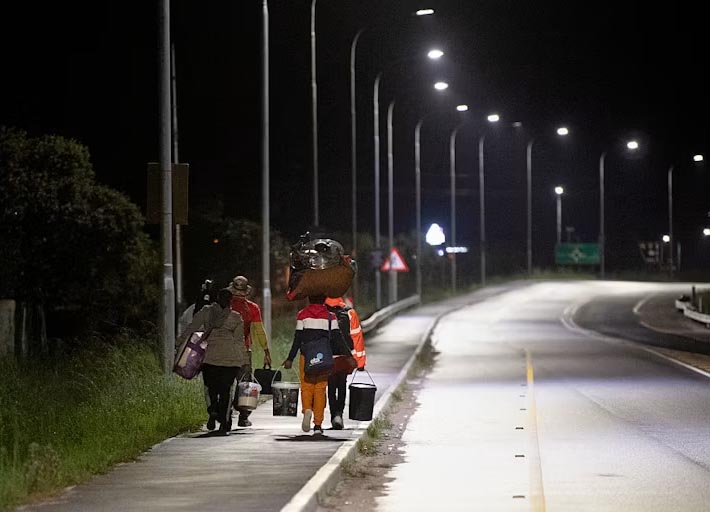
As tensions rise in South Africa over immigration and the treatment of migrants, the ramifications extend beyond human suffering and societal strife. The ongoing conflict poses a significant threat to the region’s investment landscape, influencing both local and foreign perceptions of political stability. In this blog post, we will explore the current migration crisis in South Africa, its underlying causes, the government’s response, and what it means for investors and the broader economy.
Recent events in South Africa have highlighted a troubling trend: a surge in anti-foreigner sentiment, often fueled by organized social media campaigns and political rhetoric. Reports of violence, property destruction, and threats against migrants have become alarmingly frequent, raising concerns over public safety and civil unrest. As the government grapples with this crisis, the potential impact on investment prospects cannot be ignored.
The crux of the issue lies in the perception of migrants as scapegoats for South Africa’s economic challenges. High unemployment, poverty, and inadequate public services have created a fertile ground for discontent, and migrants are often unfairly blamed for exacerbating these problems. The government’s response to this mounting aggression has been met with criticism, both domestically and internationally, as many observers argue that the measures announced are insufficient to tackle the root causes of the conflict.
In a recent address, President Cyril Ramaphosa outlined a five-point plan aimed at addressing the migration crisis. The proposals include a crackdown on illegal immigration, the establishment of dedicated immigration courts, measures to root out the employment of undocumented workers, and enhanced border security. While these initiatives are a step in the right direction, they have raised questions about their effectiveness and the speed of implementation.
Key Takeaways from the Current Situation:
1. **Political Instability**: The rising anti-foreigner sentiment is not just a social issue; it carries significant economic implications. Investors tend to shy away from regions perceived as politically unstable, which could lead to reduced foreign direct investment (FDI) and hinder economic growth.
2. **Government Accountability**: The slow implementation of previously announced policies has led to skepticism about the government’s ability to manage the crisis effectively. Urgent follow-through on commitments is essential for restoring public confidence and addressing the grievances of both citizens and migrants.
3. **Public Safety and Investor Confidence**: The escalating violence poses risks not only to migrants but also to the broader economic environment. A surge in attacks could deter potential investors from entering the market, further complicating South Africa’s economic recovery.
4. **Need for a Holistic Approach**: Addressing the migration crisis requires a multi-faceted response that goes beyond law enforcement. Social programs aimed at alleviating poverty, improving public services, and fostering community cohesion are vital to addressing the root causes of resentment.
Insights for Traders and Investors:
Investors and traders should closely monitor the evolving situation in South Africa, as civil unrest can lead to volatility in the financial markets. A decline in investor confidence could result in fluctuations in the South African Rand and impact publicly traded companies, particularly those with substantial exposure to consumer markets.
Furthermore, sector-specific analyses may reveal opportunities in industries that could benefit from government initiatives aimed at improving public services or enhancing border security. For instance, companies involved in infrastructure development, security services, or social welfare programs may find new avenues for growth as the government seeks to stabilize the situation.
Conclusion:
The migration crisis in South Africa is a complex issue with far-reaching implications for the economy and society as a whole. As the government seeks to implement measures to address the violence and unrest, it must also focus on the underlying causes of discontent. For investors, understanding the interplay between political stability, public sentiment, and economic health is crucial. Moving forward, a strategic approach that considers both risks and opportunities in this challenging landscape will be essential for navigating the unpredictable waters of South Africa’s current crisis.