
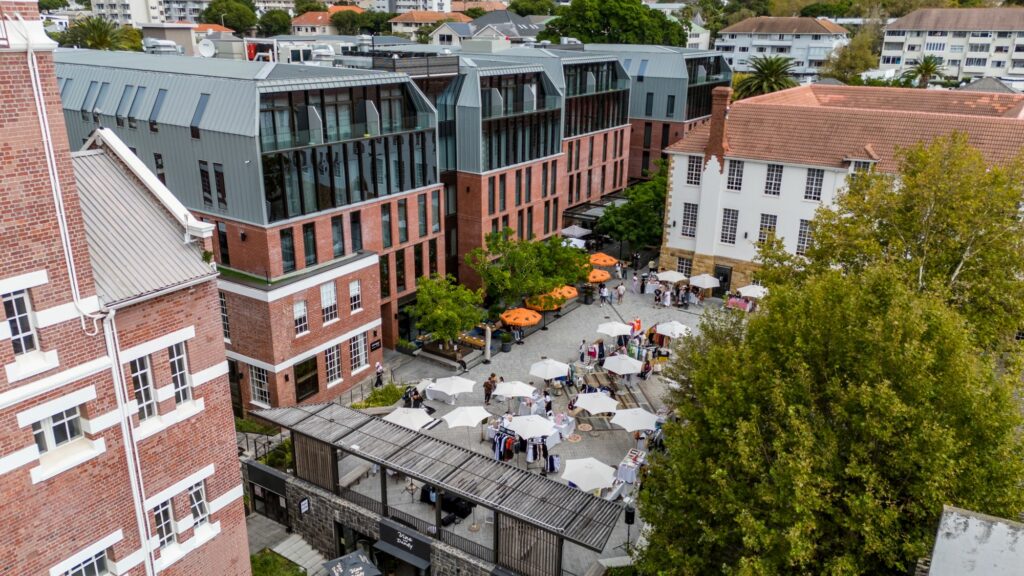
In a world that has become accustomed to hybrid work models, the traditional office setting is undergoing a significant transformation. Employers are now exploring innovative ways to encourage employees to return to the office, leading to the emergence of self-sustaining precincts. These vibrant, mixed-use developments are not just about providing a workspace; they integrate a variety of amenities that foster a sense of community and enhance the work-life balance. This blog post delves into what these precincts are, why they are gaining traction, and what this means for the future of commercial real estate.
As remote work became the norm during the pandemic, many companies recognized the challenges and benefits of this model. However, as employees gradually return to the office, employers are tasked with creating environments that are not only functional but also appealing. Self-sustaining precincts are emerging as a solution to this challenge, blending office spaces with amenities like retail shops, restaurants, parks, and recreational areas. These developments are designed to create a dynamic environment where employees can thrive, encouraging them to come back to the office voluntarily.
Self-sustaining precincts are integrated developments that encompass multiple office buildings supported by shared infrastructure. They provide a range of services and facilities that contribute to a holistic work environment. Examples of such developments can be found worldwide, from the scenic V&A Waterfront in Cape Town to the bustling Hudson Yards in New York City. Each of these precincts offers a unique blend of commercial and recreational spaces, creating an attractive proposition for businesses and their employees.
One of the key reasons these precincts outshine traditional office parks is their ability to create vibrant communities. Companies are beginning to realize that the value of a workplace goes beyond just the physical space. They want to provide their employees with environments that are enjoyable and engaging. Timothy Irvine, head of the office portfolio at Growthpoint Properties, emphasizes this shift in focus. He explains that today’s companies are looking for workplaces that resemble “walking neighborhoods,” where functional and human needs are seamlessly integrated. By prioritizing employee satisfaction, businesses can drive overall success.
The commercial property landscape is increasingly supporting the notion that precincts outperform conventional office spaces. Data shows that integrated precincts typically achieve higher occupancy rates and stronger tenant retention. This is largely due to their ability to create environments that meet both the operational and emotional needs of employees. In the past, developers primarily focused on maximizing rentable space, often overlooking the importance of communal areas. Now, successful developments recognize that the spaces between buildings can be just as valuable as the buildings themselves.
Several key takeaways emerge from this trend. First, self-sustaining precincts offer a compelling alternative to traditional office spaces by fostering a sense of community and connection among employees. Second, these developments tend to attract businesses that prioritize employee well-being, which can lead to improved productivity and lower turnover rates. Finally, the design and management of commercial properties are evolving to meet the changing demands of the workforce, further solidifying the importance of integrating amenities into the workplace.
For traders and investors, the rise of self-sustaining precincts presents a unique opportunity. As demand for these types of developments grows, investing in properties that prioritize mixed-use designs could yield significant returns. The emphasis on tenant satisfaction and retention means that these assets are likely to maintain their value over time. Furthermore, as companies continue to adapt their workplace strategies, understanding the dynamics of these precincts will be essential for investors looking to capitalize on emerging trends in the commercial real estate market.
In conclusion, the development of self-sustaining precincts marks a pivotal shift in the way we think about office spaces. As employers strive to create environments that support employee happiness and productivity, these vibrant mixed-use developments provide a practical solution. With their focus on integrating work and lifestyle amenities, precincts not only enhance the workplace experience but also present lucrative opportunities for investors in the evolving landscape of commercial real estate. As we move forward, the success of businesses will increasingly depend on their ability to adapt to these changes and create workplaces that reflect the needs and desires of their employees.