
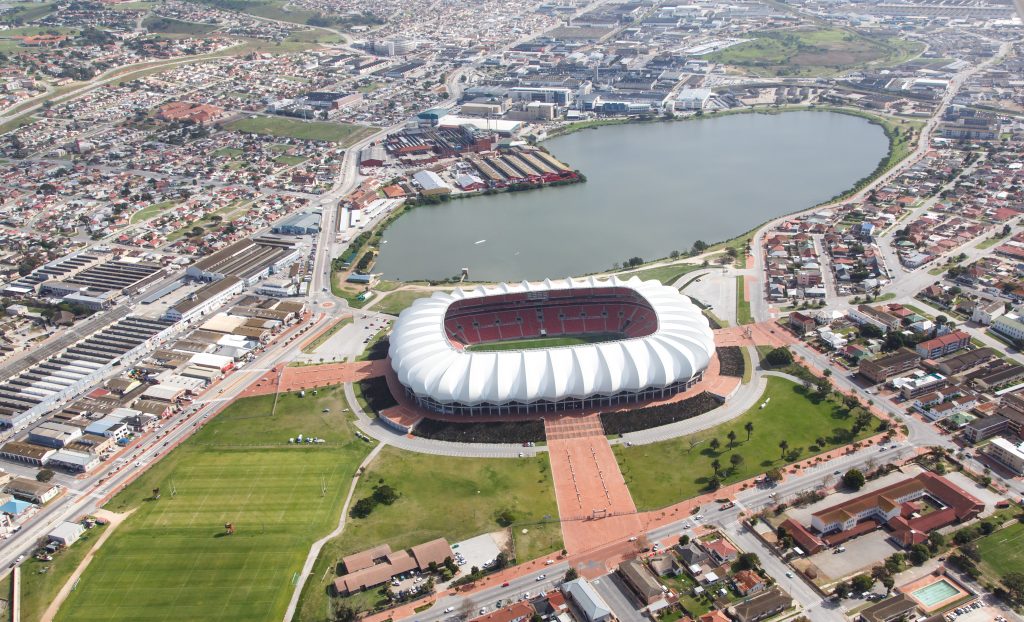
In the dynamic landscape of South Africa’s economy, few areas hold as much promise for immediate growth and job creation as Nelson Mandela Bay. Nestled along the southeastern coast, this vibrant metropolitan area is poised to become a beacon of opportunity, particularly within the tourism sector. As we delve into the unique attributes that make Nelson Mandela Bay a compelling destination, it becomes evident that the region is not just a picturesque locale but also a vital player in the broader economic narrative of South Africa.
Nelson Mandela Bay, often referred to as the “Bay of Opportunity,” boasts a strategic coastal position that is bolstered by its two major ports. The city’s allure lies not only in its economic potential but also in its breathtaking 40-kilometer coastline, which features several Blue Flag beaches, celebrated for their cleanliness and safety. With an enviable climate that offers approximately 300 days of sunshine each year, the area is a natural magnet for tourists seeking both relaxation and adventure. Moreover, the region’s rich biodiversity, which encompasses five distinct biomes, adds to its appeal, providing a habitat for a range of flora and fauna that can be explored by visitors.
The cultural and historical tapestry of Nelson Mandela Bay further enhances its status as a tourist destination. As the gateway to the renowned Garden Route and the rugged Karoo, the region is surrounded by malaria-free Big Five game reserves, offering visitors the chance to experience South Africa’s iconic wildlife. The combination of stunning natural landscapes, historical landmarks, and a plethora of adventure activities cements the area’s reputation as an affordable yet enriching travel destination.
One of the most compelling aspects of tourism in Nelson Mandela Bay is that much of the infrastructure needed to support this growth is already in place. Unlike other regions that may require substantial investment in new attractions, Nelson Mandela Bay has an abundance of natural assets and cultural experiences ready to be leveraged. This presents an opportunity for stakeholders to capitalize on existing resources without the necessity of billions in new funding.
Statistics from StatsSA underline the significance of the tourism sector, which employs nearly one million individuals across the country—representing one in every 18 jobs in South Africa. In 2024 alone, the sector generated over 180,000 new jobs and contributed a staggering R361.7 billion to the GDP, surpassing contributions from utilities, agriculture, and construction. This economic impact clearly illustrates tourism’s role as a “critical catalyst” for broader economic development.
The multiplier effect of tourism cannot be overstated. For every job created in the tourism sector, an estimated 2.5 additional jobs are generated in interconnected industries such as hospitality, transportation, retail, food and beverage, entertainment, and the arts. This extensive value chain means that investing in tourism has a ripple effect, fostering growth not just in formal enterprises but also in informal sectors, thus providing opportunities for youth, women, and local entrepreneurs.
Moreover, tourism has the potential to elevate the business profile of Nelson Mandela Bay, showcasing its investment opportunities to both domestic and international investors. While there may not be hard statistics that directly link tourism to business investments, numerous anecdotal accounts highlight a trend: many individuals who visit the region as tourists are inclined to return as investors, drawn by the area’s charm and potential.
For traders and investors considering options in South Africa’s multifaceted economy, the tourism sector in Nelson Mandela Bay presents a compelling opportunity. The region’s existing assets minimize initial investments while maximizing potential returns. Furthermore, as the world continues to recover from the pandemic, the demand for travel is resurging, and regions like Nelson Mandela Bay are well-positioned to attract a new wave of visitors seeking authentic experiences.
In conclusion, the inherent potential of Nelson Mandela Bay as a tourism hub is clear. With its diverse offerings, favorable climate, and existing infrastructure, the region stands ready to harness the growth of the tourism sector as a means of driving economic development and creating jobs. By fostering a supportive environment for tourism and related industries, Nelson Mandela Bay can solidify its status as a key player in South Africa’s economic landscape, paving the way for a brighter and more prosperous future for its residents. The opportunity is not just in the natural beauty or cultural richness of the area, but in the collective effort to transform these assets into sustainable economic growth.