
In South Africa, the political landscape is undergoing notable changes that could have far-reaching economic implications. The Democratic Alliance (DA), the nation’s second-largest party, is actively seeking to reshape its influence within the government. Recent discussions have centered around appointing key figures to essential ministerial positions, a move that could impact the nation’s trade and industry policies. These adjustments come at a time when South Africa is grappling with various economic challenges, including the need for effective leadership in agriculture and trade.
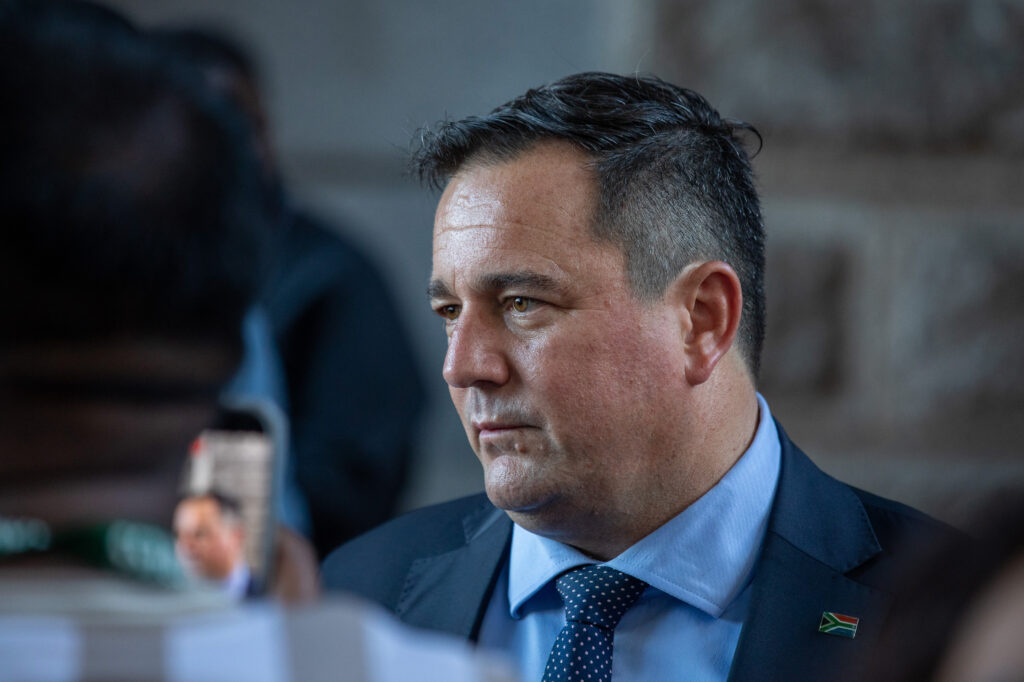
The Democratic Alliance has made a formal request to President Cyril Ramaphosa, advocating for the appointment of John Steenhuisen, their former leader and current minister of agriculture, as the deputy minister of trade, industry, and competition. This proposed shift reflects the DA’s strategy to position its members in influential roles that could allow for a significant impact on economic policies. The current deputy minister in the trade department, Alexandra Abrahams, would then transition to become the deputy minister of electricity. This change highlights the growing importance of energy issues in South Africa, especially considering the ongoing power supply challenges facing the nation.
Willie Aucamp, who currently serves as the minister for forestry, fisheries, and the environment, is expected to step into Steenhuisen’s role in agriculture. This reshuffling is not merely an internal party adjustment; it signals a strategic response to the pressing challenges within these sectors. Additionally, David Maynier, the leader for education in the Western Cape province, is anticipated to take over Aucamp’s responsibilities in the environmental portfolio. This interconnected web of appointments emphasizes the DA’s commitment to addressing critical issues through strategic placements within the cabinet.
The backdrop to this political maneuvering is a coalition government formed by Ramaphosa’s African National Congress (ANC) following the 2024 elections, which yielded no outright winner. The DA is one of ten parties involved in this coalition, which inherently complicates governance and policy-making. The need for collaboration among diverse political entities can lead to slower decision-making processes, which can exacerbate existing economic challenges, particularly in sectors like trade and agriculture that are vital for the nation’s growth.
Key points from this cabinet shift include the DA’s strategy to enhance its influence within the government, the focus on pivotal sectors such as trade, industry, electricity, and agriculture, and the necessity for effective leadership to combat South Africa’s economic hurdles. The potential for these new appointments to drive policy changes will be closely monitored by investors and analysts alike, as the implications of leadership in these areas can significantly influence market conditions and investor confidence.
Investors should take note of these developments as they reflect a broader trend in South African politics where coalition governments may lead to shifts in policy direction. The appointments of figures like Steenhuisen to crucial economic roles could signal a more proactive approach towards trade and industry issues, which are essential for economic recovery post-pandemic. Furthermore, the focus on electricity management may suggest upcoming initiatives aimed at addressing the country’s power supply crisis, a concern that has hindered economic growth and investor sentiment.
In conclusion, the recent requests from the Democratic Alliance to reshape key ministerial positions illustrate the dynamic nature of South African politics and its potential economic ramifications. As the nation navigates through complex coalition governance, the ability of these new leaders to enact effective policies in trade, agriculture, and energy will be critical. Stakeholders in the financial markets should remain vigilant, as these political changes may herald a new era of economic strategies aimed at revitalizing South Africa’s growth trajectory. Keeping an eye on the developments within the government will be essential for making informed investment decisions in the coming months.