
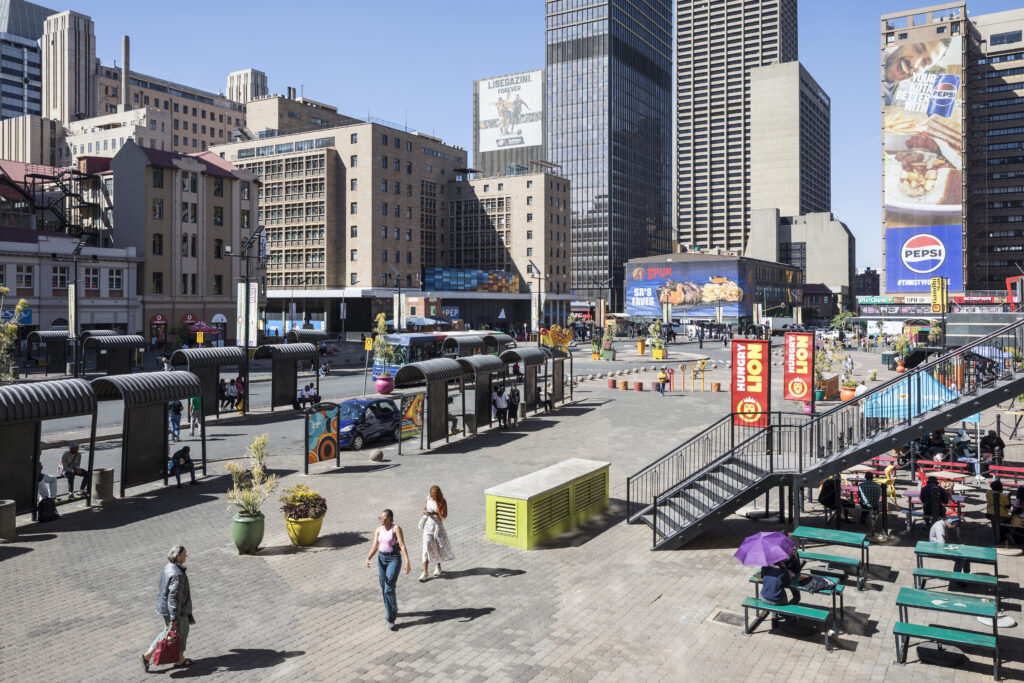
In a significant move to bolster the infrastructure landscape in South Africa, the New Development Bank (NDB) has pledged a substantial loan of $1 billion, equivalent to approximately R16 billion. This financial infusion aims to enhance the essential services provided by the country’s metropolitan municipalities, focusing on improving water supply, sanitation, and waste management systems across its eight largest cities. As South Africa grapples with infrastructural challenges, this funding presents both an opportunity for development and a test of the government’s capability to implement necessary reforms.
The NDB, established by the original BRICS members—Brazil, Russia, India, China, and South Africa—operates with the goal of supporting public investment in member countries. The recent loan reflects a proactive stance towards addressing pressing urban issues that have plagued many South African cities. President Cyril Ramaphosa has recognized the critical state of numerous municipalities, many of which are struggling to deliver basic services to their residents. The urgency of this initiative is underscored by recent incidents of water outages in major urban centers such as Johannesburg and Pretoria, highlighting the dire need for infrastructural improvements.
The funds from the NDB are earmarked for a comprehensive upgrade of infrastructure within South Africa’s metropolitan municipalities. These municipalities serve as the administrative bodies for large urban areas and are responsible for delivering vital services. The infusion of capital will be directed towards enhancing the efficiency and reliability of water supply systems, improving sanitation facilities, and overhauling waste management processes. This is particularly important as urbanization in South Africa continues to escalate, with more residents moving to cities, increasing the demand for reliable municipal services.
One of the key aspects of this initiative is the focus on sustainability and modernization of infrastructure. The NDB emphasizes environmentally friendly practices, which means that the funds will likely support projects that not only aim to meet current demands but also consider the long-term environmental impact. This approach aligns with global trends towards sustainable urban development and positions South Africa as a proactive participant in the global discourse on environmental responsibility.
Key points to consider regarding this loan and its implications include:
1. **Infrastructure Challenges**: Many municipalities in South Africa are facing severe operational challenges, which have resulted in sporadic service delivery and public discontent. The acknowledgment of these issues by President Ramaphosa indicates a willingness to confront and rectify these shortcomings.
2. **Investment in Services**: The allocated funds are specifically targeted at improving crucial services like water supply and waste management. This investment is vital for enhancing the quality of life for millions of South Africans and could lead to more stable urban environments.
3. **Sustainable Development Goals**: The focus on sustainability in the projects funded by the NDB aligns with broader global objectives, such as the United Nations Sustainable Development Goals (SDGs). This could attract further international investment and support as South Africa demonstrates its commitment to sustainable practices.
4. **Potential Economic Growth**: Improved infrastructure can stimulate economic growth by attracting businesses and creating jobs. As cities evolve with upgraded facilities, they become more appealing to investors, which can lead to increased economic activity.
For traders and investors, this development is significant as it highlights the potential for growth in South Africa’s urban sectors. The infrastructure upgrade might lead to improved business environments, making cities more accommodating for local and foreign investments. Additionally, sectors related to construction, engineering, and environmental services may see increased demand as the municipalities initiate projects to utilize the NDB funds.
In conclusion, the $1 billion loan from the New Development Bank marks a pivotal moment for South Africa’s metropolitan municipalities, providing a much-needed lifeline to address chronic infrastructural deficiencies. While the challenges are substantial, the commitment to enhancing essential services presents a unique opportunity for urban regeneration. As these projects unfold, they will not only impact the immediate quality of life for residents but also reshape the economic landscape of South Africa, making it a focal point for future investment and development. The successful implementation of these initiatives could serve as a model for other nations facing similar challenges, showcasing the importance of international cooperation in tackling pressing infrastructural issues.