
In a significant diplomatic move, the United States and Iran are on the cusp of formalizing an interim peace agreement that both parties are heralding as a victory. As details of this accord emerge, it’s crucial to examine its implications for the geopolitical landscape, especially considering the current volatility in energy markets and the ongoing tensions surrounding Iran’s nuclear program. This potential shift could reshape relations not only between the two nations but also within the broader context of international energy security.
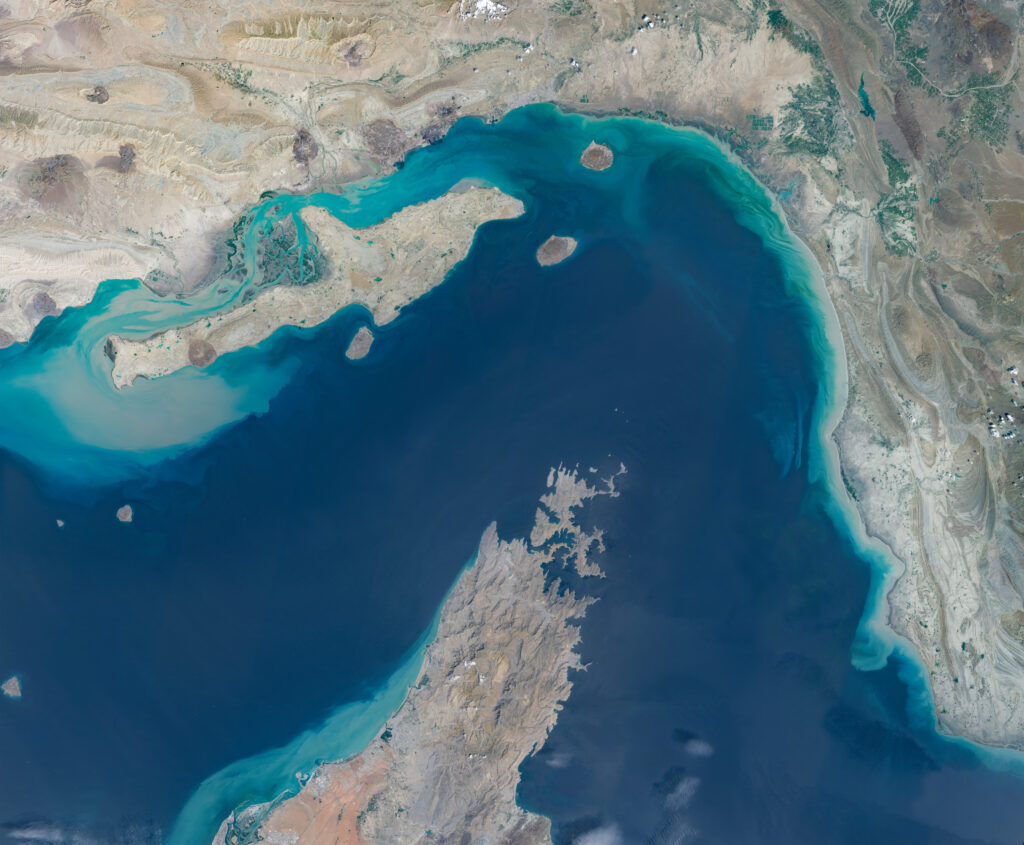
At the heart of this developing story is a memorandum of understanding (MOU) that paves the way for a two-month negotiation window focused on Iran’s nuclear ambitions and related issues. Although the complete text of the agreement is yet to be released, a draft obtained by Bloomberg News reveals that Iran could receive sanctions waivers that would enable it to resume oil sales almost immediately. This has raised eyebrows among energy experts who express skepticism regarding how quickly the Strait of Hormuz—a vital artery for global oil transportation—can be reopened.
The anticipated signing ceremony will take place in the picturesque Bürgenstock mountain resort in Switzerland, a choice that highlights the significance of this diplomatic milestone. Vice President JD Vance is expected to lead the American delegation, while Iran will be represented by Parliament Speaker Mohammad Bagher Ghalibaf. This high-profile meeting underscores the importance of the agreement amid ongoing discussions at the Group of Seven summit in France, where energy prices and the situation in Iran are key topics of conversation.
One of the critical aspects of this agreement is President Donald Trump’s assertion that it is a “done deal” designed to prevent Iran from advancing its nuclear weapons capabilities. While Trump emphasized that the US would refrain from offering reparations or direct investments in Iran, he did indicate that Tehran’s leadership must demonstrate a commitment to good faith before any further actions are considered. This cautious approach reflects the complexities surrounding US-Iran relations, especially given the historical context of sanctions that have been imposed since the 1979 Iranian Revolution.
The economic ramifications of the ongoing conflict cannot be understated. Iranian officials allege that the recent war, which began after a US-Israeli military campaign in February, has inflicted over $250 billion in economic damages on their nation. The draft agreement suggests that Iran may gain access to tens of billions of dollars in frozen assets currently held in various countries, including Qatar. Though the US has committed to ensuring that these funds are released, the lack of a definitive timeline raises questions about the immediacy of these financial benefits.
Key points to consider about this interim peace deal include:
1. **Sanctions Waivers**: Iran could soon be allowed to sell oil, providing a much-needed boost to its economy after years of crippling sanctions.
2. **International Collaboration**: The agreement hints at a collaborative effort involving regional partners to establish a $300 billion development fund aimed at rehabilitating Iran’s economy post-conflict.
3. **Geopolitical Dynamics**: The involvement of European nations in clearing the Strait of Hormuz adds another layer of complexity, as these countries weigh the risks of engaging in a potentially hazardous situation for their maritime interests.
4. **Long-Term Consequences**: The deal’s success hinges on Iran’s compliance with nuclear regulations and the broader implications for US foreign policy in the Middle East.
For traders and investors, the unfolding situation presents both opportunities and risks. The potential for increased Iranian oil supply could lead to fluctuations in global oil prices, impacting various sectors reliant on energy costs. Investors should keep an eye on developments in the Strait of Hormuz, as any disruptions could trigger sudden price spikes. Moreover, the reallocation of frozen funds could invigorate the Iranian economy, possibly leading to increased demand for goods and services that may have been previously constrained.
In conclusion, the impending signing of the interim peace deal between the US and Iran marks a pivotal moment in international relations. While both nations may claim victory, the true test lies in the execution of this agreement and its ability to foster a sustainable peace. The complexities of the situation, especially regarding economic sanctions and regional stability, will require careful navigation. For investors and traders, staying informed about the evolving geopolitical landscape will be essential in making strategic financial decisions. As we await the full details of the memorandum and subsequent negotiations, the world watches closely to see if this diplomatic endeavor can yield a more stable future for both nations and the global community at large.