
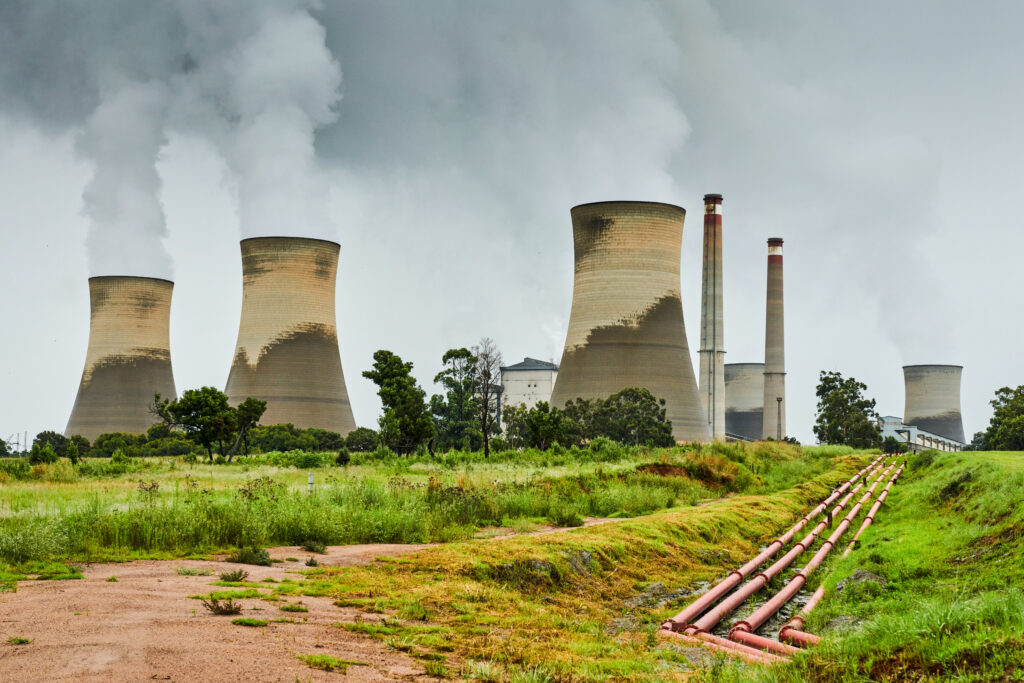
In a significant development for both energy markets and environmental efforts, Exxon Mobil Corporation has reached a preliminary agreement to supply liquefied natural gas (LNG) to South Africa. This move is poised to address the country’s longstanding energy challenges while simultaneously supporting its transition away from coal reliance. The deal, still under wraps, is expected to play a crucial role in modernizing South Africa’s power infrastructure, particularly through its partnership with the state-owned utility, Eskom.
South Africa’s electricity sector has grappled with a persistent struggle that includes an over-reliance on coal, which currently accounts for approximately 80% of the nation’s power generation. Years of blackouts and energy shortages have prompted authorities to seek alternative solutions, and LNG appears to be a viable option. The agreement with Exxon will enable Eskom to import gas at the proposed Zululand LNG terminal located in Richards Bay, a vital industrial hub on the eastern coastline of the country. The imported gas is intended for a new 3,000-megawatt power plant slated for construction near the terminal, helping to enhance the reliability of electricity supply in a nation that has suffered from frequent outages.
As the country seeks to revamp its energy strategy, the introduction of LNG represents a dual opportunity: it provides a more stable energy source while also reducing greenhouse gas emissions. The transition from coal to gas is seen as a necessary step in achieving a more sustainable energy mix, as natural gas can serve as a “bridge fuel.” This concept is particularly relevant for South Africa, which has been exploring ways to integrate renewable energy sources. By using gas for baseload power generation, Eskom aims to ensure that electricity demand is met even when renewable resources are unavailable, such as during periods of low wind or cloudy weather.
However, the transition to LNG is not without its challenges. South Africa’s domestic natural gas production is minimal, which means that the country will rely heavily on imports. This reliance raises concerns about costs, as LNG is typically more expensive than coal. Additionally, the nation faces logistical hurdles, including delays in sourcing gas turbines from major suppliers like Siemens and General Electric. These delays could impact South Africa’s plans to phase out approximately 20% of its coal-fired generation capacity by 2030, a timeline that might be pushed back if alternative solutions are not implemented swiftly.
Exxon Mobil’s commitment to this agreement aligns with its broader strategic goals of expanding LNG supplies globally. The company aims to double its LNG output to over 40 million tons annually by the decade’s end. Recently, Exxon has made strides in this direction with the launch of its Golden Pass export terminal on the U.S. Gulf Coast and is currently evaluating potential projects in Mozambique and Papua New Guinea. By investing in LNG infrastructure, Exxon is positioning itself as a key player in the global energy landscape, particularly as countries look to diversify their energy sources.
For traders and investors, the implications of this agreement are substantial. The LNG market is set to grow, driven by increasing demand for cleaner energy sources worldwide. Companies like Exxon, which are proactive in securing agreements and expanding their production capabilities, stand to benefit from favorable market conditions. Investors should closely monitor developments in the LNG sector, particularly in regions that are transitioning from coal to gas, as this shift could drive both demand and pricing dynamics.
In conclusion, Exxon Mobil’s preliminary agreement to supply LNG to South Africa reflects a strategic alignment with the country’s urgent need for reliable energy solutions and a sustainable transition away from coal. While the challenges ahead are significant, the potential benefits of this partnership could lay the groundwork for a more resilient and environmentally friendly energy future. As South Africa navigates its energy transition, stakeholders will be watching closely to see how this deal unfolds and what it means for the broader energy landscape.