
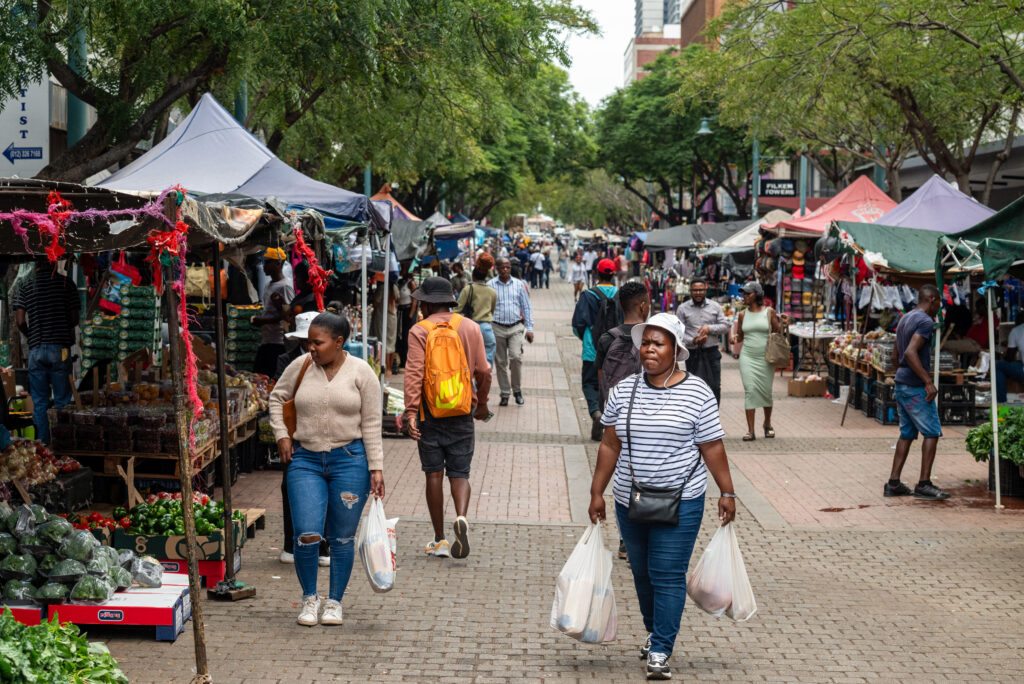
In recent months, South Africa has been grappling with a notable surge in inflation, reaching levels not seen in nearly two years. As the nation faces rising consumer prices, driven largely by escalating energy costs influenced by geopolitical tensions, investors must pay close attention to how these economic shifts might impact their portfolios. This blog post explores the current inflation landscape in South Africa, examining its causes, implications, and what it means for traders and investors navigating this complex environment.
In May, South Africa’s annual inflation rate hit 4.5%, up from 4% in April, according to the latest report from Statistics South Africa. This increase, while significant, fell short of the anticipated 4.7% projected by economists in a Bloomberg survey. The inflationary pressures are primarily attributed to soaring energy prices, exacerbated by ongoing conflicts in the Middle East, particularly the US-Israeli tensions with Iran. These geopolitical issues have not only disrupted supply chains but have also sent shockwaves through the global energy market.
One of the key indicators to watch in this scenario is core inflation, which excludes volatile items such as food and energy. In May, core inflation rose to 3.8%, up from 3.6% the previous month. The South African Reserve Bank (SARB) closely monitors this figure as a gauge for potential second-round inflationary effects. The bank has a target inflation rate of 3% with a permissible range of 2% to 4%. Thus, the upward trend in inflation raises concerns about the central bank’s monetary policy decisions moving forward.
Despite the recent uptick in inflation, there are signs that may provide the SARB with some breathing room regarding interest rate adjustments. The possibility of a temporary reprieve in energy prices, particularly if a deal between the US and Iran allows for the reopening of the critical Strait of Hormuz, could influence future monetary policy decisions. This waterway is vital for global oil and fertilizer trade, and any easing of energy supply constraints could help stabilize prices.
Governor Lesetja Kganyago of the SARB has emphasized the need for a data-driven approach to monetary policy. He has refrained from committing to future interest rate hikes, stating, “I cannot tell you now if more rate hikes will be needed, or how much. We take our decisions meeting by meeting.” This cautious stance indicates that policymakers are closely assessing incoming economic data before making any definitive decisions regarding interest rates, which currently stand at 7%, up from 6.75% following the last hike.
Key Takeaways:
1. South Africa’s inflation rate has risen to 4.5%, driven by energy prices impacted by geopolitical events.
2. Core inflation is also on the rise, which may signal potential broader inflationary pressures.
3. The SARB is taking a cautious approach to interest rate adjustments, focusing on data assessment.
4. A potential easing of energy prices could provide some leeway for policymakers.
For traders and investors, understanding these economic dynamics is crucial. Rising inflation can erode purchasing power, affecting consumer spending and overall economic growth. Investors in South Africa may need to consider sector-specific impacts, particularly in energy and commodities, as price fluctuations in these areas could significantly influence stock performance.
Moreover, interest rate movements are critical for fixed-income investments. Any decision by the SARB to raise rates further could lead to higher yields, but it may also increase the cost of borrowing, which could dampen economic activity. Conversely, if the bank opts to hold rates steady in light of stabilizing energy prices, it could provide a more favorable environment for consumer spending and investment.
In conclusion, the inflationary landscape in South Africa is complex and evolving, influenced by both domestic economic conditions and external geopolitical factors. For investors, staying informed about these shifts is essential for making strategic decisions. With the SARB’s cautious approach and the potential for changes in energy prices, there are both risks and opportunities on the horizon. Keeping a pulse on economic indicators and central bank communications will be vital for navigating these turbulent waters effectively.