
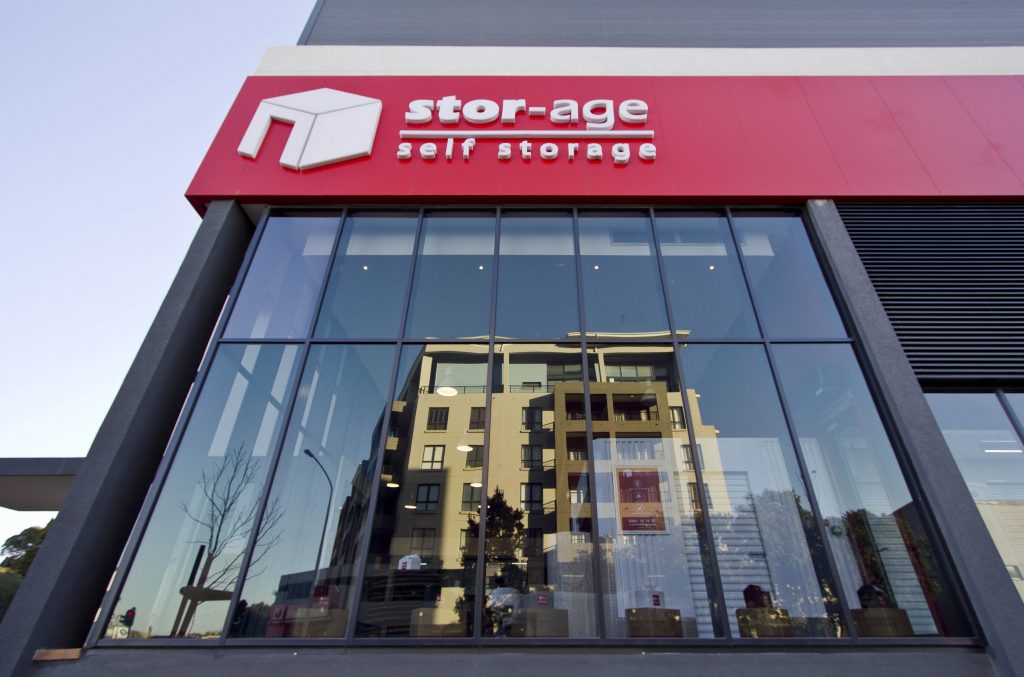
In a world where market volatility and economic fluctuations are commonplace, some sectors demonstrate a remarkable ability to adapt and thrive. One such sector is self-storage, where companies like Stor-Age Property Reit Limited are not only surviving but also flourishing. As seen in their recent performance, the company has effectively navigated challenges in both domestic and international markets, leading to a solid financial year ending March 31, 2026. This blog post will delve into the highlights of Stor-Age’s financial results, the dynamics of their operational performance, and the insights for investors and traders looking to understand the self-storage market.
Stor-Age Property Reit Limited, which specializes in self-storage solutions, has posted impressive results for the financial year. The company reported a 5.1% increase in distributable income per share, reaching 129.29 cents. This growth was matched by an equivalent rise in the total annual dividend per share, which also increased by 5.1% to 116.36 cents. Such performance is indicative of a strong operational foundation, particularly in the context of a challenging economic landscape.
One of the primary drivers of this success can be traced back to a strategic equity capital raise of R500 million completed in December 2025. This capital influx was executed at a premium to the net asset value, effectively reducing corporate debt and improving the financial stability of the company. As a result, Stor-Age’s South African Real Estate Investment Trust (SA Reit) loan-to-value (LTV) ratio was brought down to a conservative 26.7%. This prudent financial management has positioned the company for growth, with executives projecting a further 5% increase in distributable income per share for the upcoming financial year, while maintaining a healthy dividend payout ratio of 90%.
The company’s success in South Africa has been particularly noteworthy. The domestic portfolio emerged as the primary growth engine, benefiting from robust consumer demand and a competitive landscape that remains fragmented. Rental income in South Africa surged by 10.5%, with net property operating income following suit, increasing by 11.1%. The occupancy rate also demonstrated strength, closing the year at an impressive 93.4%. On an organic same-store basis, rental income grew by 9.6%, bolstered by an 8.6% increase in average rental rates and a slight uptick in occupancy.
Gavin Lucas, CEO of Stor-Age, underscored the resilience of the company’s dual-region operational model. In his remarks, he highlighted the robust performance in South Africa, the sound positioning of their balance sheet, and the strategic progress made across various domains, including acquisitions and joint ventures. However, he also acknowledged the more difficult trading environment in the UK, emphasizing the long-term attractiveness of the market despite the current challenges.
The UK portfolio, while still a vital part of Stor-Age’s business, experienced a contrasting performance compared to its South African counterpart. Here, rental income grew by a modest 1.1%, while net operating income fell slightly by 0.8%. The occupancy rate in the UK dropped to 81.6%, a reflection of the cyclical pressures and macroeconomic factors that have impacted the market. Management indicated that these challenges are part of a broader normalization process following a strong financial performance in the previous year.
For investors and traders, the key takeaways from Stor-Age’s performance are multifaceted. Firstly, the company’s ability to generate consistent growth in a fragmented market showcases the inherent demand for self-storage solutions. As urbanization continues and living spaces shrink, the reliance on self-storage facilities is likely to grow, presenting a long-term investment opportunity.
Moreover, the cautious financial strategy adopted by Stor-Age, particularly their focus on maintaining a conservative debt profile, is commendable. This prudent approach not only fortifies the company’s balance sheet but also provides a buffer against economic downturns, making it a potentially stable investment choice.
In conclusion, Stor-Age Property Reit Limited exemplifies resilience in a sector that has shown robust growth potential. By capitalizing on strong domestic demand and strategically managing their operations and finances, Stor-Age has positioned itself for continued success. For investors and traders, the insights from Stor-Age’s performance serve as a reminder of the value of adaptive strategies in navigating economic challenges. As the self-storage market continues to evolve, staying attuned to the operational dynamics and financial health of companies like Stor-Age could provide lucrative opportunities in the future.