
Inflation is a term often heard in economic discussions, especially in South Africa, where it is frequently highlighted in reports from Statistics South Africa and monitored by the South African Reserve Bank. The rising costs of essentials such as fuel and food have become a staple of daily life, prompting many to wonder when interest rates will start to decline. However, the sources of inflation may be more complex and far-reaching than many realize, extending beyond local economic factors to global influences, particularly environmental changes and geopolitical tensions.
The recent spikes in inflation are symptomatic of an intricate web of challenges that extend well beyond mere demand fluctuations. South Africa finds itself in a precarious position, vulnerable to a multitude of factors including climate variability, international trade disruptions, and domestic supply chain issues. The interplay of these elements paints a concerning picture of the country’s economic landscape, calling for a more nuanced understanding of inflation and its implications.
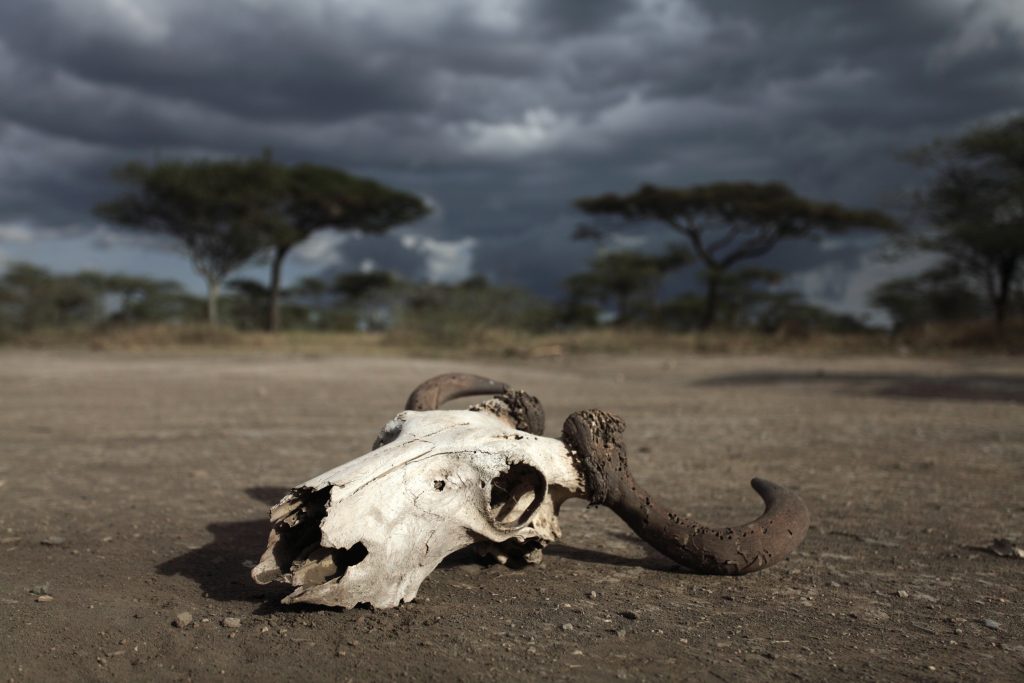
At the heart of the inflation issue lies the phenomenon known as El Niño, which alters rainfall patterns and can lead to severe drought conditions. This climatic event could potentially impact agricultural output, affecting the cost of food and other essentials. In addition, geopolitical tensions, such as those in the Strait of Hormuz, threaten the stability of energy and fertilizer supplies, further complicating the situation. Farmers are left grappling with the decision of whether they can afford the necessary inputs for their crops in a landscape of rising costs.
Monetary policy, typically employed by central banks to manage inflation, has its limitations. While actions such as raising interest rates can curb excessive spending and maintain a central bank’s credibility, they cannot address the fundamental issues of supply shortages caused by climate change or geopolitical instability. The reality is that central banks can influence demand, but they cannot directly affect the weather, repair vital infrastructure, or reduce the costs of critical supplies.
In South Africa, the debate around government debt often focuses on whether it is inherently good or bad, missing the crucial distinction between productive and unproductive borrowing. Not all debt is created equal. Borrowing that funds wasteful expenditure or bailouts can weaken the economy, while borrowing aimed at enhancing productive capacity can strengthen it. Investors recognize this difference, as bond markets are particularly wary of debt that lacks a clear repayment strategy or fails to stimulate economic growth.
The current global landscape is one characterized by a series of repeated shocks. Events that were once considered temporary—like the pandemic and Russia’s invasion of Ukraine—have evolved into chronic challenges that affect everyday life. For South Africans, these shocks are exacerbated by domestic vulnerabilities, creating a uniquely challenging cost-of-living crisis. The cumulative effect of these pressures can shift inflation from a temporary concern to a permanent fixture in household budgets.
As investors and traders assess the current economic climate, it is vital to consider not only the immediate impacts of inflation but also the broader context in which these changes are occurring. Understanding the roots of inflation—whether they stem from external environmental factors or internal structural weaknesses—can provide valuable insights for navigating investment decisions.
Key Takeaways:
1. Inflation is influenced by both local and global factors, including climate change and geopolitical tensions.
2. Monetary policy has limitations and cannot address supply side issues directly.
3. Understanding the nature of government debt is crucial, as productive borrowing can lead to growth, while unproductive borrowing can hinder economic progress.
4. The current economic climate is marked by repeated shocks, necessitating a reevaluation of how inflation is perceived and managed.
In conclusion, the landscape of inflation in South Africa is complex and multifaceted. The interplay of global events, domestic issues, and the limitations of monetary policy underscores the need for a deeper understanding of what drives inflation and how best to respond. As the country navigates these turbulent waters, both policymakers and investors must remain vigilant, adapting their strategies to account for the evolving economic landscape. By doing so, they can better position themselves to weather the storms ahead and foster a more resilient economy for the future.