
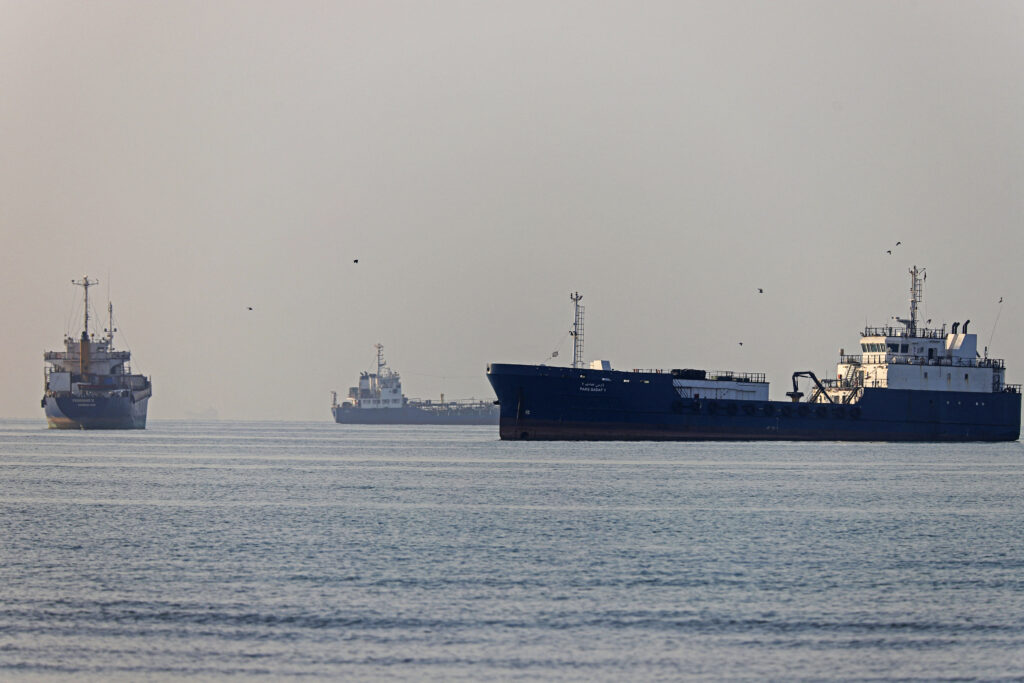
The global oil market is at a pivotal moment as analysts forecast a potential recovery of oil flows through the Strait of Hormuz, a vital shipping route for crude oil, to only 70% of pre-war levels. This development, highlighted by Goldman Sachs, underscores the shifting dynamics in regional oil production and the strategic adjustments made by Gulf nations in response to geopolitical tensions. Understanding these changes is essential for traders and investors looking to navigate the complexities of the oil market.
The Strait of Hormuz, which connects the Persian Gulf to the global maritime trade network, has long been a critical artery for oil transportation. Before the onset of conflict in the region, approximately 20 million barrels of oil and refined products passed through this narrow passage daily, a volume that significantly contributed to global energy supplies. However, recent geopolitical strife, particularly between the United States and Iran, has severely disrupted these flows, causing shipments to plummet to minimal levels. As the situation evolves, analysts are predicting a gradual recovery, though it may not return to previous heights.
According to a note from Goldman Sachs, the anticipated normalization of oil exports through the Strait of Hormuz might see flows increasing by about 13 million barrels per day by the end of the next month. This projection is based on the expectation that regional oil production, particularly from major players like Saudi Arabia, the UAE, and Iraq, will rebound significantly by October. While the prospect of increased shipments is welcome news for global oil markets, it is important to note that these flows may only reach 70% of what they were before the conflict began.
The disruptions faced during the height of the conflict were exacerbated by both the US and Iran implementing blockades that curtailed oil traffic through the Strait. As a result, crude prices initially surged due to the perceived scarcity of oil, but they have since stabilized as producers found alternative routes to maintain supply chains. For instance, Saudi Arabia has upped its utilization of a cross-country pipeline, which allows crude to be transported directly to the Red Sea, thereby bypassing the Strait of Hormuz. Similarly, the UAE has leveraged its Fujairah port facilities, which are located outside the strait, while Iraq has redirected its oil exports through the Turkish port of Ceyhan.
Current estimates suggest that flows through the Strait of Hormuz are around 1.3 million barrels per day, with an additional 1.6 million barrels attributed to alternative routes from the Gulf of Oman. Moreover, the Red Sea port of Yanbu, along with Fujairah and Ceyhan, is handling approximately 7.5 million barrels per day. These figures illustrate a significant shift in how Gulf nations are adapting to the ongoing challenges posed by the volatile geopolitical landscape.
One critical factor in the recovery of oil flows is the availability of shipping capacity. Analysts from Goldman Sachs indicate that there is substantial empty tanker capacity—around 860 million barrels—within the strait or within five days of navigation. Despite this, some shipowners may still hesitate to send vessels through Hormuz due to lingering concerns over safety and stability in the area. This caution could impact the pace of recovery, emphasizing the intricate relationship between geopolitical events and market responses.
In a proactive move, the UAE has launched an ambitious initiative aimed at eliminating its reliance on the Strait altogether. The government is working on expanding eastern ports such as Dibba, Fujairah, and Khor Fakkan, as well as constructing at least one additional harbor along the Gulf of Oman coast. UAE’s Minister of Foreign Trade, Thani Al Zeyoudi, articulated a clear vision: “We’re moving toward having zero Hormuz dependency, and that’s regardless of whether it’s open or not.” This strategic pivot reflects a broader trend among Gulf producers to enhance their logistical infrastructure and mitigate risks associated with geopolitical tensions.
For traders and investors, the evolving situation in the Strait of Hormuz presents both opportunities and challenges. The anticipated recovery in oil flows offers a chance to capitalize on potential price movements, but it also necessitates a keen awareness of the geopolitical factors that could influence supply and demand dynamics. As Gulf producers continue to adapt, the importance of diversifying supply routes will remain paramount in ensuring energy security and market stability.
In conclusion, while the forecasted recovery of oil flows through the Strait of Hormuz may not reach pre-war levels, the resilience demonstrated by Gulf nations in navigating these challenges is noteworthy. As the global oil market continues to adjust to new realities, traders and investors must remain vigilant, leveraging insights into geopolitical developments and infrastructure advancements to inform their strategies in this ever-evolving landscape. The future of oil transport may hinge on the ability of these nations to secure their supply chains and respond to the complexities of a changing world.