
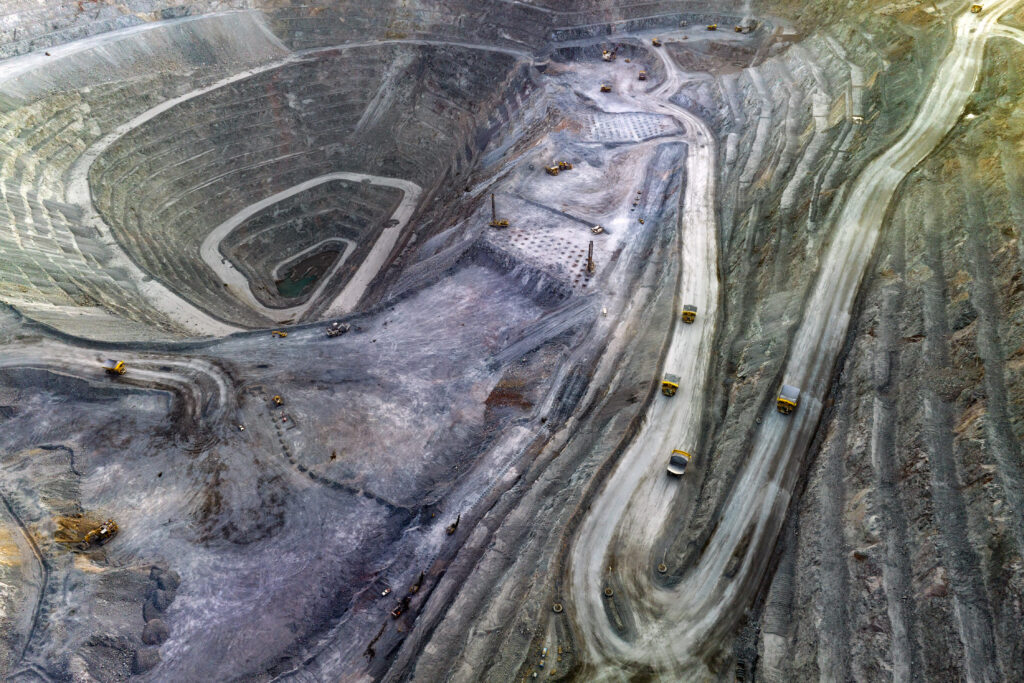
The world of mining is often fraught with challenges that can impact not only the companies involved but also the economies of the countries where these operations are based. Recently, Rio Tinto Group found itself in the midst of a brief but significant disruption at its Oyu Tolgoi mine in Mongolia, a vast copper resource crucial for the global supply chain. Following a protest that temporarily halted exports of copper concentrate, the company has resumed normal operations. This situation raises important questions about the relationship between multinational corporations and host nations, particularly in terms of revenue sharing and community relations.
Oyu Tolgoi, located in the southern Gobi Desert, stands as one of the largest copper mines in the world and is central to Rio Tinto’s growth strategy. The mine not only produces a significant quantity of copper but also plays a vital role in supporting the global transition to sustainable energy. Copper is increasingly in demand due to its essential role in electrification, renewable energy technologies, and the expansion of data centers. The demand for this metal is likely to rise as countries invest in infrastructure to accommodate cleaner energy solutions.
The recent protest that temporarily halted operations at Oyu Tolgoi was centered around a blockade that prevented trucks from transporting copper to the Chinese border. While the exact motivations behind the protest were not immediately clear, tensions have been simmering regarding the financial arrangements between Rio Tinto and the Mongolian government. The government has been vocal about its desire for a more substantial share of the revenues generated by the mine, which has raised concerns about the sustainability of foreign investment in the region.
Rio Tinto holds a 66% stake in the Oyu Tolgoi project, with the Mongolian government owning the remaining 34%. This joint venture is crucial for both parties; for Rio Tinto, it represents a significant portion of its copper production, while for Mongolia, it is a vital source of revenue and employment. However, as the government pushes for a larger financial stake, the delicate balance between profit and local benefit becomes increasingly strained.
What are the key takeaways from this situation? First, the protest highlights the ongoing friction between multinational corporations and local governments, particularly in resource-rich countries. As global demand for metals like copper continues to soar, similar disputes may arise more frequently. Second, Rio Tinto’s swift resumption of operations underscores the resilience of large mining companies, which are often equipped to navigate such disruptions. The ability to quickly adapt and resume production is crucial in maintaining profitability and meeting market demands.
For traders and investors, this incident serves as a reminder of the potential volatility associated with mining stocks, particularly those engaged in operations in politically sensitive areas. Factors such as regulatory changes, community relations, and geopolitical tensions can all impact stock performance. Investors should closely monitor developments in Mongolia regarding Oyu Tolgoi, as changes in government policy or further protests could affect Rio Tinto’s production capabilities and, by extension, its stock value.
In conclusion, the resumption of copper exports from Oyu Tolgoi is a positive sign for Rio Tinto and the global copper market, particularly in the context of rising demand for sustainable energy solutions. However, the underlying tensions between the company and the Mongolian government serve as a poignant reminder of the complexities involved in mining operations worldwide. As nations continue to demand a greater share of resources, mining companies must navigate these challenges carefully to ensure both profitability and sustainability in their operations. The world will be watching how this situation unfolds, as it could set a precedent for future mining operations in similar contexts.