
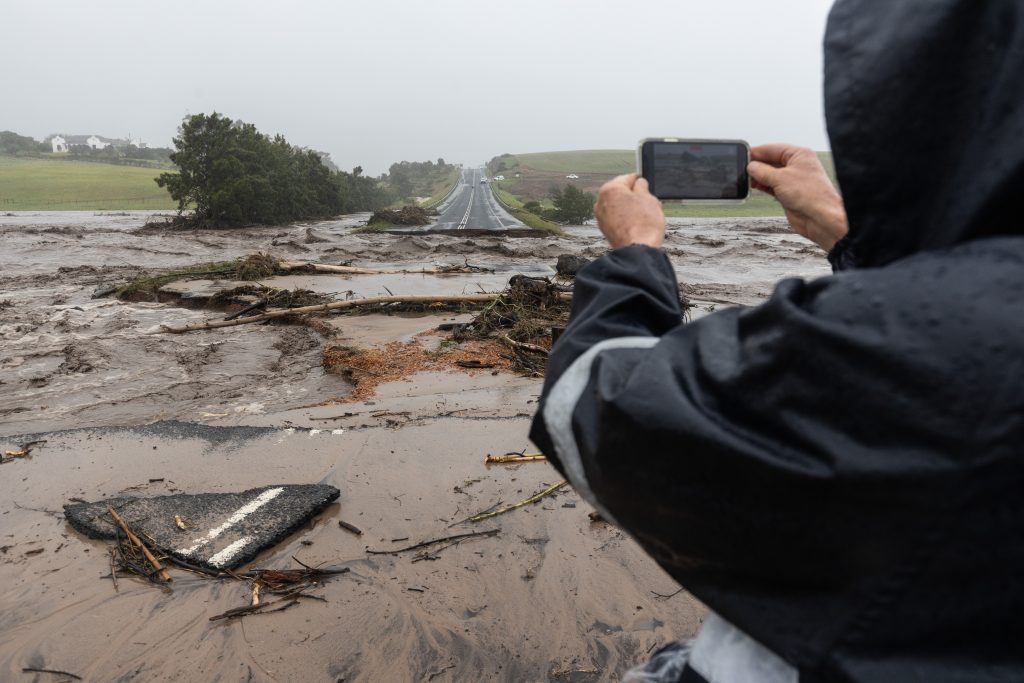
In a stark reminder of nature’s fury, recent flooding in South Africa’s Western Cape province has led to significant economic repercussions, particularly in the bustling tourist city of Cape Town. With damages estimated at over R9 billion (approximately $548 million), the ramifications of this disaster extend beyond immediate physical destruction, threatening the region’s financial stability and long-term growth prospects.
The floods, which struck as a result of torrential rains, have left their mark not only on the infrastructure but also on the lives of thousands of residents. The provincial government reports that around 231,000 individuals were directly affected, with at least 12 fatalities recorded. The severity of the situation has prompted urgent discussions about budget reallocations and disaster funding, as officials scramble to assess and respond to the extensive damage.
The province’s finance minister, Deidré Baartman, announced that the infrastructure budget for the current year, set at R10 billion, will need to be re-evaluated in light of the storm’s impact. This assertion illustrates the stark reality that the financial commitments made prior to the disaster may no longer be feasible, necessitating a shift in priorities to address urgent repair needs and support for affected communities. This financial upheaval raises significant concerns about the province’s ability to maintain other critical services and infrastructure projects, potentially leading to a ripple effect throughout the local economy.
The immediate aftermath of the flooding has revealed the vulnerabilities within South Africa’s infrastructure, especially in informal settlements that faced the brunt of the storm. The provincial disaster management agency’s report detailing that 3,690 individuals required temporary shelter underscores the human cost of this disaster. As local governments and agencies work tirelessly to provide relief, the long-term implications of the flooding are beginning to surface.
Key points to consider in this unfolding situation include the role of climate change in exacerbating extreme weather events, the financial implications for the provincial budget, and the potential for increased liability disputes arising from the disaster. The Western Cape government is seeking at least R100 million in disaster funding from the national cabinet to aid in infrastructure repairs. Premier Alan Winde emphasized the unprecedented nature of the storm damage, signaling a need for systemic changes in how the region prepares for and responds to climate-related events.
From a financial perspective, investors and traders should watch for several key insights as the situation develops. First, the insurance sector may face heightened claims as businesses and homeowners seek compensation for damages. Insurers could potentially adjust their risk assessments and premiums in light of increasing frequency and severity of storms. This could have broader implications for investment in the region, particularly in real estate and tourism, which are crucial to the local economy.
Moreover, the impact on infrastructure spending is likely to create a shift in investment priorities. With the provincial budget under strain, future projects may be delayed or scaled back, affecting sectors reliant on government contracts and infrastructure development. Stakeholders in the construction and engineering industries should prepare for potential volatility as funding channels are redefined.
Finally, the increasing likelihood of such extreme weather events raises questions about long-term sustainability and resilience strategies. Investors may look to companies and projects that focus on climate adaptation and infrastructure improvements, as these will be crucial in mitigating future risks associated with climate change.
In conclusion, the recent flooding in South Africa’s Western Cape serves as a stark reminder of the intersection between environmental challenges and economic stability. As the region grapples with the immediate aftermath, the financial implications will be felt across various sectors, prompting a reevaluation of priorities and strategies. Stakeholders must remain vigilant and adaptable, understanding that the landscape of risk is evolving in the face of climate change. The road ahead will require innovative solutions and collaborative efforts to ensure the resilience of both the economy and the communities that depend on it.