
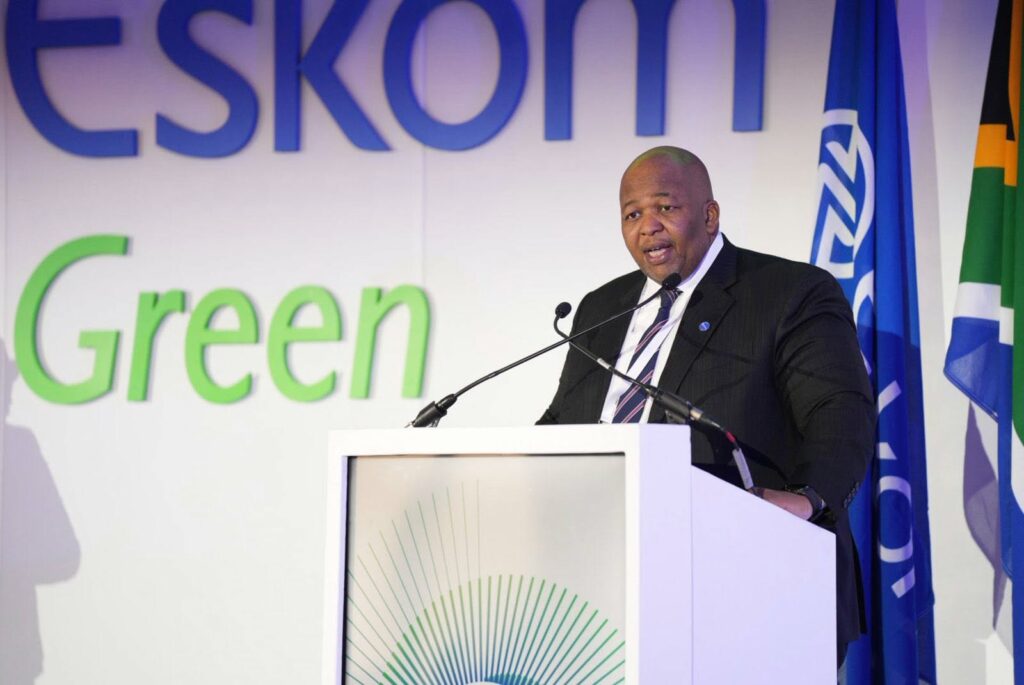
The conversation surrounding renewable energy has gained significant momentum in recent years, particularly in Africa, a continent rich in natural resources and potential for sustainable power generation. The Africa Energy Forum (AEF) has become a pivotal platform for discussing key developments in this sector. One of the prominent voices at this year’s forum was Sherrill Byrne, the head of project finance, energy, and infrastructure at Standard Bank CIB. Her insights shed light on the future of renewable energy in Africa, highlighting both the challenges and opportunities that lie ahead.
Africa is at a crossroads in its energy journey. With a growing population and an increasing demand for electricity, the continent faces a pressing need to expand its energy infrastructure. However, the traditional reliance on fossil fuels poses significant environmental challenges. Renewable energy sources such as solar, wind, and hydroelectric power present viable alternatives that can not only meet the rising demand but also contribute to sustainable development goals.
At the Africa Energy Forum, industry leaders, policymakers, and investors gathered to discuss the latest trends and innovations in renewable energy. Byrne emphasized that the future of energy in Africa is not just about generating power but also about ensuring that it is accessible, affordable, and sustainable. She pointed out that there are several key factors influencing the renewable energy landscape on the continent.
One of the most significant developments is the increasing investment in renewable energy projects. Over the past few years, there has been a noticeable shift in both public and private sector investments towards green energy initiatives. Byrne noted that international investors are becoming more interested in African energy projects, recognizing the continent’s potential for growth in the renewable sector. This influx of capital is crucial for developing infrastructure and technology required for a successful transition to renewable energy.
Another critical point raised during the forum was the importance of policy and regulatory frameworks that support renewable energy initiatives. Effective governance is essential for ensuring that projects are not only implemented efficiently but also that they align with broader economic and environmental goals. Byrne pointed out that countries that have established clear policies and incentives for renewables have seen faster adoption rates. This regulatory clarity helps to attract both domestic and foreign investments, fostering a more robust energy market.
Furthermore, technology plays a vital role in advancing renewable energy solutions across Africa. Innovations in energy storage, smart grids, and energy efficiency are transforming how energy is generated, distributed, and consumed. Byrne highlighted the need for collaboration between technology providers and local governments to ensure that the solutions are tailored to meet the specific needs of each region. By leveraging technology, Africa can overcome some of the traditional barriers to energy access and reliability.
For traders and investors looking to navigate the renewable energy space in Africa, there are several key takeaways from the discussions at the Africa Energy Forum. First, it is essential to keep an eye on emerging markets within the continent that are actively promoting renewable energy projects. Countries such as Kenya, South Africa, and Ethiopia are making significant strides and may present lucrative investment opportunities.
Second, understanding the local regulatory environment is vital. Investors should conduct thorough due diligence on the policies that govern renewable energy projects in specific countries. Engaging with local stakeholders can provide valuable insights into the opportunities and risks associated with different markets.
Lastly, as technology continues to evolve, staying informed about advancements in renewable energy solutions will be crucial for making informed investment decisions. The rapidly changing landscape means that new players and technologies could disrupt existing markets, creating both challenges and opportunities for investors.
In conclusion, the future of renewable energy in Africa is filled with promise, driven by increasing investments, supportive policies, and technological advancements. The discussions at the Africa Energy Forum, particularly those led by industry leaders like Sherrill Byrne, underscore the importance of collaboration and strategic planning in achieving sustainable energy goals. For investors and traders, the renewable energy sector presents a wealth of opportunities, but success will depend on a deep understanding of local markets and ongoing developments in technology and policy. As Africa continues to embrace renewable energy, the journey towards a sustainable energy future is one that stakeholders should watch closely.