
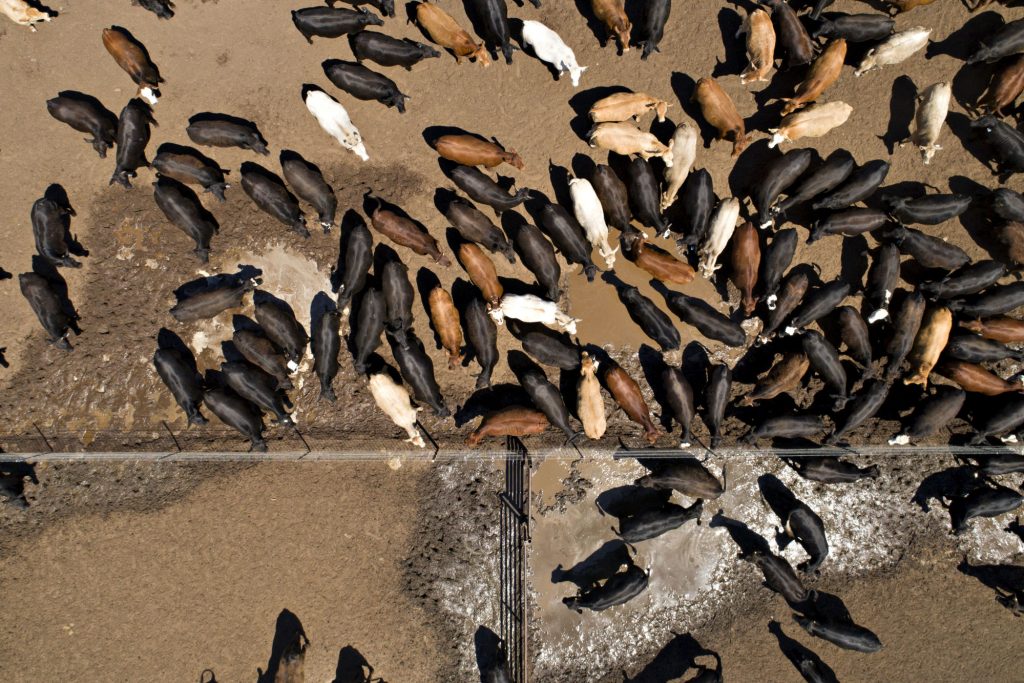
The ongoing battle against foot-and-mouth disease (FMD) in South Africa has significant implications not only for livestock health but also for the economic stability of the country’s beef industry. With the outbreak of this highly contagious viral disease affecting cloven-hoofed animals, the repercussions have extended far beyond the realms of veterinary science, impacting farmers, exporters, and the national economy. This blog post delves into the challenges posed by FMD, its economic ramifications, and the need for effective disease management strategies.
Foot-and-mouth disease is not new to South Africa; it has plagued the nation’s wildlife reserves and agricultural sectors for years. The disease is particularly notorious for its rapid transmission among livestock, leading to severe economic losses. Since 2019, South Africa has experienced multiple outbreaks, culminating in a crisis that threatens its R80 billion (approximately $5 billion) beef industry. The gravity of the situation became evident when the country saw a substantial 26% decrease in beef exports in 2025, largely due to the fallout from these outbreaks, which have severely disrupted trade, especially with major markets like China.
One of the core issues hindering effective management of FMD is the absence of a comprehensive, mandatory system for tracing and monitoring disease outbreaks. Without such a system, controlling the spread of FMD becomes an arduous task. Tania Prinsloo, an expert on disease surveillance systems, emphasizes that the lack of coordination and tracking makes it difficult to implement timely interventions.
The latest outbreak, attributed to the SAT2 strain of the virus, began in May 2021 in KwaZulu-Natal and has since proliferated across all provinces. According to a January 2026 report by the Bureau for Food and Agricultural Policy, the ongoing outbreak could cost the livestock sector an estimated R13.1 billion over the next five years. This staggering figure includes R11.3 billion in lost production value and R1.8 billion in export revenue. The financial toll is severe; from 2019 to 2025, three separate outbreaks were responsible for R821 million in export losses, a figure projected to escalate to R2.6 billion by late 2026.
The closure of key export markets such as China, Mozambique, Zimbabwe, Namibia, and the United Kingdom has further exacerbated the crisis. These markets are crucial for South African beef producers, and their closure not only results in immediate financial losses but also threatens the long-term sustainability of the industry.
FMD is primarily transmitted from wildlife to domestic livestock, including cattle, sheep, and pigs. The virus can spread through a variety of channels, including contaminated animals, animal products, equipment, and even human activity. Windborne viruses can also contribute to the outbreak, making containment even more challenging. While FMD poses minimal risk to human health—meat and dairy products remain safe for consumption—the economic implications are profound, leading to livestock losses, reduced productivity, and elevated disease control costs.
In response to the dire situation, South Africa has ramped up its vaccination campaigns to combat FMD. Vaccines are available, and efforts have been made to import sufficient quantities to protect livestock. Despite these initiatives, the issue of wildlife-livestock interaction remains a significant barrier to effective disease control. Broken or inadequate veterinary fencing along the borders of protected areas, such as the Kruger National Park, allows wildlife—carriers of the FMD virus—to enter communal grazing lands, further complicating containment efforts.
Key takeaways from the ongoing FMD crisis include the necessity for a robust disease surveillance system and the implementation of effective biosecurity measures. Stakeholders in the agricultural sector must advocate for a coordinated approach to disease management, including vaccination drives and enhanced monitoring systems, to safeguard both livestock and the economic viability of the beef industry.
For traders and investors looking to navigate the turbulent waters of South Africa’s beef market, understanding the dynamics of FMD is crucial. The volatility caused by disease outbreaks can create both risks and opportunities. Investors should keep an eye on vaccination campaigns, government interventions, and international market responses to better gauge potential impacts on supply chains and pricing.
In conclusion, the ongoing outbreaks of foot-and-mouth disease pose a severe threat to South Africa’s beef industry, underscoring the need for a comprehensive approach to disease management. The economic consequences of FMD extend beyond immediate losses, affecting the livelihoods of farmers, exporters, and the broader economy. By enhancing vaccination efforts, improving disease surveillance, and ensuring effective biosecurity measures, South Africa can work towards mitigating the risks associated with this highly contagious disease and safeguarding its vital agricultural sector.