
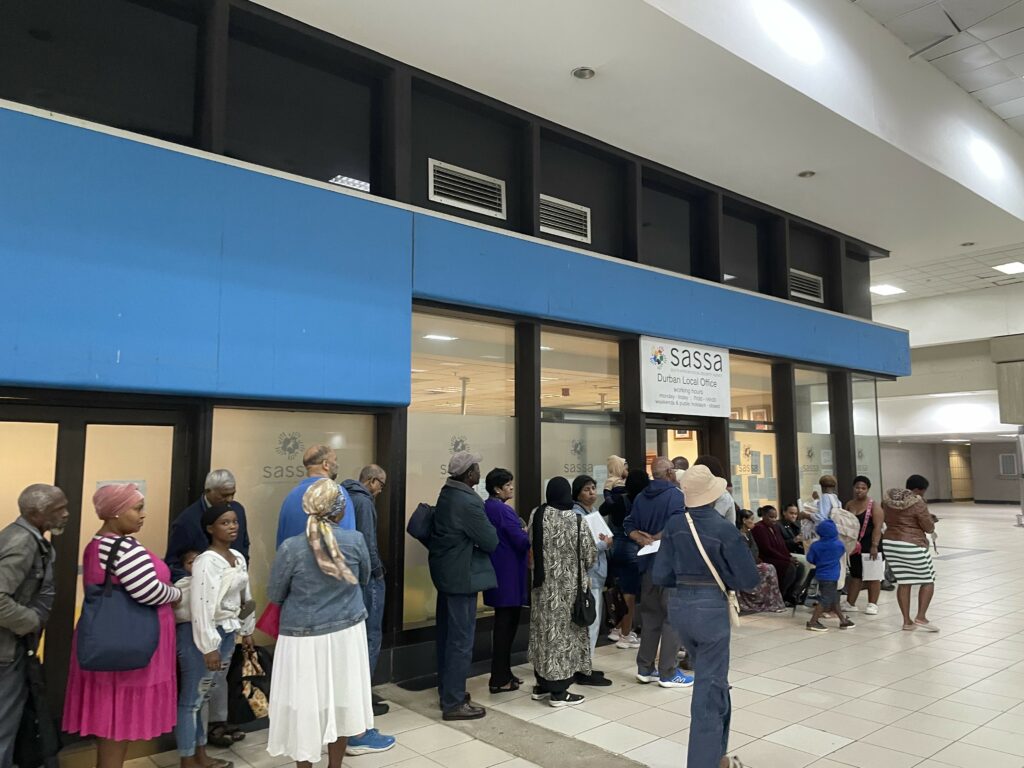
The Department of Social Development (DSD) is on the brink of a significant milestone in its efforts to establish a Basic Income Support (BIS) policy for working-age adults in South Africa. As the nation grapples with persistent economic challenges, the proposed policy could represent a transformative step toward alleviating poverty and enhancing social welfare. However, the journey toward implementation is laden with bureaucratic hurdles and requires careful navigation through government approvals and revisions.
The DSD has been diligently working on the BIS policy since it was first drafted and presented to the Cabinet in November 2024. Following feedback from the Cabinet, which emphasized the necessity of linking income support with employment opportunities, the DSD has been in consultation with various government departments to refine its approach. The aim is to create a sustainable support system that not only provides financial assistance but also fosters economic participation among recipients.
Brenda Sibeko, the Deputy Director-General for Comprehensive Social Security, recently addressed Parliament’s Select Committee on Social Services, outlining the department’s progress and future steps. The DSD’s consultations have included collaboration with essential government entities such as the Departments of Home Affairs, Employment and Labour, Small Business Development, Basic Education, and the South African Social Security Agency (SASSA). This multi-departmental engagement is crucial for ensuring that the BIS policy is comprehensive and effectively addresses the complexities of poverty and unemployment.
One of the pivotal moments in this process is the anticipated meeting with the National Treasury, expected to take place either later this month or in early July. This meeting is critical, as it will determine whether the Treasury is satisfied with the revisions made to the BIS proposal. The Treasury has previously provided a detailed document outlining its concerns, which the DSD has addressed through extensive revisions. The outcome of this meeting will influence the next steps in finalizing the policy, which includes a Socio-Economic Impact Assessment System review by the Presidency.
The importance of this policy cannot be overstated. South Africa faces high levels of poverty and inequality, and the success of the Social Relief of Distress (SRD) grant has highlighted the need for a more permanent solution to income support for working-age adults. The acting DSD Minister, Sindisiwe Chikunga, has indicated that the government is motivated to explore avenues for sustainable income support, reflecting a shift in policy towards addressing the root causes of economic hardship.
In terms of timelines, if the Treasury approves the revised policy, it will return to the Cabinet for further approval before being opened to public consultation. Public engagement will be crucial in shaping the final policy, ensuring that it meets the needs of the population it aims to serve. The DSD has set an ambitious goal of submitting the policy for final approval by the end of March 2027, although this timeline may require adjustments depending on the outcomes of consultations and revisions.
Importantly, the DSD has acknowledged the possibility of needing to extend the SRD grant beyond March 2027 to prevent any gaps in support as the BIS policy navigates through the legislative process. This proactive approach underscores the department’s commitment to safeguarding vulnerable populations during a transitional phase that could significantly impact their lives.
For traders and investors, the development of the BIS policy may have broader implications for the South African economy. A well-structured income support system could lead to increased consumer spending, which in turn may stimulate economic growth. Furthermore, as the government emphasizes linking income support to employment initiatives, there could be opportunities in sectors related to job creation and skills development.
In conclusion, the DSD’s efforts to establish a Basic Income Support policy represent a critical initiative aimed at addressing the pervasive issues of poverty and unemployment in South Africa. While the path to implementation is fraught with challenges, the commitment to integrating economic opportunities with income support is a positive step toward fostering a more inclusive society. Stakeholders across various sectors should closely monitor these developments, as the eventual success of the policy could shape the economic landscape and create new opportunities for growth and investment in the country.