
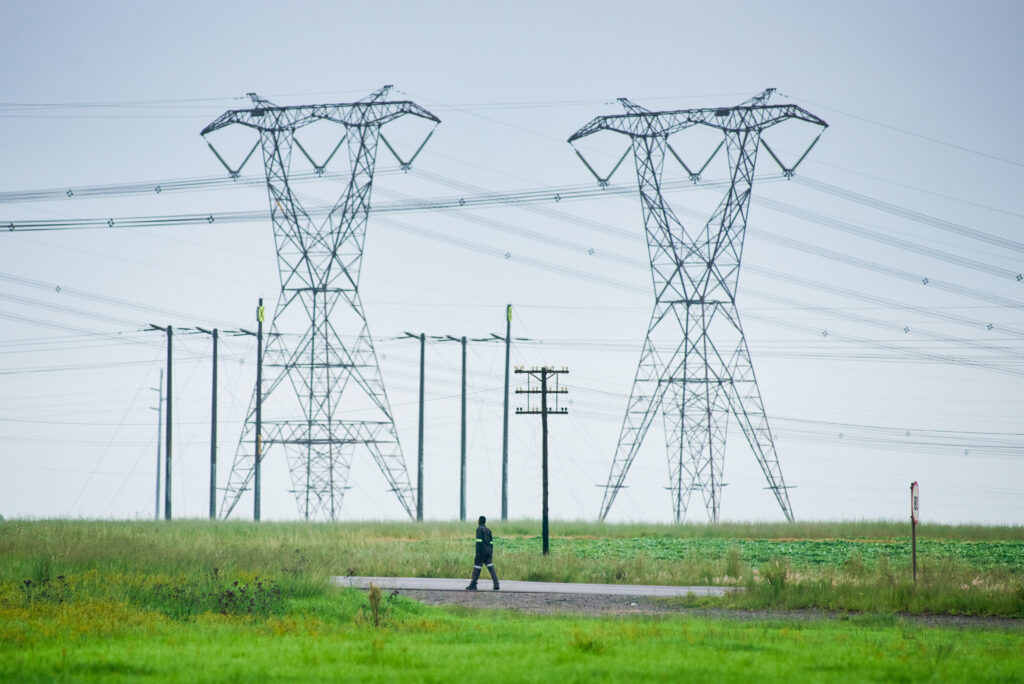
In a recent ruling by the High Court in Makhanda, a significant decision regarding the ongoing electricity supply crisis in South Africa came to light. The court ordered Eskom, the power utility giant, to continue providing electricity to the towns of Willowmore, Steytlerville, and Jansenville, pending a determination of a legal challenge initiated by the Dr Beyers Naudé Local Municipality. This case highlights the complexities of municipal debt, regulatory requirements, and the looming threat of power supply disruptions that can have widespread implications for residents and businesses alike.
At the heart of this issue lies a protracted dispute between Eskom and the Dr Beyers Naudé Local Municipality, which has been grappling with an outstanding debt exceeding R900 million owed to the utility. This staggering amount is part of a larger problem affecting numerous municipalities across South Africa, where financial mismanagement and administrative inefficiencies have led to crippling debts. In early March, Eskom took a firm stance, notifying 14 municipalities, including Dr Beyers Naudé, that it might cut off electricity supplies unless certain conditions were met.
Eskom’s ultimatum specifically targeted the three towns, with the utility demanding the signing of a Distribution Agency Agreement (DAA). This agreement would allow Eskom to take over the electricity distribution operations for the municipality, enabling them to collect payments directly from residents. However, the court found that Eskom seemed to have overlooked or inadequately addressed the statutory obligations required for the DAA, thus complicating the resolution process.
The municipality has contested the validity of Eskom’s billing practices for years, asserting that previous disputes were never conclusively resolved. This ongoing litigation has created a complex backdrop for the current crisis, with the municipality seeking to have Eskom’s decision reviewed in court. The municipality’s request for a fair review process and access to the proposed DAA is critical, as it emphasizes the need for transparency and collaboration in addressing this financial impasse.
Eskom’s counter-application sought not only to compel the municipality to settle its current bills but also to implement measures that would ensure future compliance, including ring-fencing electricity revenue. However, this counter-application was ultimately removed from the court’s agenda, leaving the municipality in a precarious position as it grapples with the threat of power supply interruptions.
Key takeaways from this situation highlight the urgent need for effective financial management within local municipalities, as well as improved communication and cooperation between Eskom and municipal authorities. This case serves as a reminder of the potential consequences of unresolved financial disputes, which can lead to disruptions in critical services such as electricity supply.
For traders and investors observing the South African energy sector, this situation underscores the risks associated with investing in companies reliant on municipal contracts and relationships. The ongoing financial instability of municipalities presents a significant challenge for service providers like Eskom, which could affect their profitability and operational efficiency. Investors should closely monitor developments in this case and the broader context of municipal debt in South Africa, as these issues could impact market confidence and investment opportunities in the energy sector.
In conclusion, the recent court ruling regarding Eskom’s electricity supply to Willowmore, Steytlerville, and Jansenville illustrates the intricate interplay between legal, regulatory, and financial dynamics in the South African energy landscape. As municipalities face mounting debts and Eskom seeks to enforce compliance, the resolution of this dispute will be crucial not only for the affected towns but also for the future of local governance and energy provision in the country. Stakeholders must prioritize transparency, accountability, and strategic collaboration to navigate this complex landscape and ensure a sustainable energy future for all South Africans.