
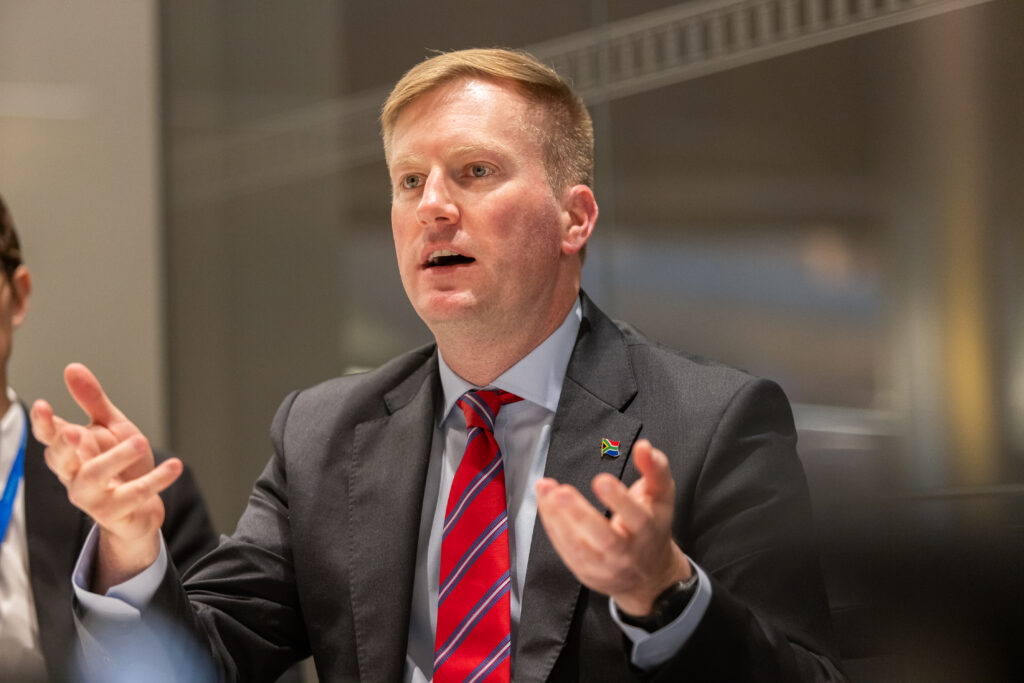
In recent months, South Africa has found itself in the throes of an escalating crisis surrounding anti-immigrant sentiment, a situation that poses significant implications for the nation’s social fabric and international standing. Public works and infrastructure minister Dean Macpherson has underscored the urgent need for law enforcement to address violence against migrants, stressing that such acts not only endanger lives but also tarnish the country’s reputation on a global scale. With tensions rising and deadlines looming, it is essential to explore the complexities of this issue and its repercussions on South Africa’s economy and society.
At the heart of the unrest is a growing frustration among South Africans regarding unemployment, crime, and competition for limited public resources, issues that many locals attribute to the presence of foreign nationals. With a staggering unemployment rate of 32.7%, one of the highest in the world, feelings of disenfranchisement are palpable. This economic strain has fueled a narrative that blames immigrants for the struggles faced by South African citizens, leading to protests and demonstrations demanding the expulsion of foreigners. The situation has reached a boiling point, with anti-immigration groups setting a deadline for foreigners to leave by June 30, prompting mass repatriations facilitated by several African nations, including Malawi and Nigeria.
The government’s response to these developments has been multifaceted. On June 7, President Cyril Ramaphosa announced a crackdown on illegal immigration, resulting in the arrest of over 7,400 undocumented migrants in just a month. Macpherson emphasized the need to protect vulnerable populations and enforce immigration laws while also identifying those who incite violence and hatred. The minister’s call to action highlights a critical balancing act: the need to maintain public order while ensuring that the rights and safety of all individuals, regardless of their nationality, are upheld.
Importantly, this issue is not just a domestic concern; it has significant international ramifications. South Africa’s reputation as a nation of diversity and tolerance is at stake. Macpherson pointed out that the country must be vigilant in protecting its image as it faces criticism and calls for boycotts from other African nations. The social unrest has sparked outrage across the continent, with some advocating for retaliatory measures against South African businesses abroad. Such actions could have dire consequences for the economy, particularly given that cross-border trade and regional ties are vital for South Africa’s growth.
Key takeaways from this situation include the understanding that anti-immigrant sentiment is often fueled by economic distress and a lack of social cohesion. The perception that immigrants are the root cause of job losses and crime is a narrative that can quickly spiral out of control, leading to violence and instability. Additionally, the response from authorities must be measured and focused on law enforcement rather than vigilante actions by citizens, which can exacerbate tensions and lead to further unrest.
For traders and investors, the unfolding situation in South Africa should be approached with caution. The potential for increased violence and instability can adversely impact market sentiment, particularly in sectors reliant on consumer confidence and foreign investment. Businesses may need to reassess their risk exposure and develop contingency plans to navigate potential disruptions. Moreover, international investors might want to consider the reputational risks associated with engaging in a country facing such turmoil.
In conclusion, the anti-immigrant sentiment currently sweeping South Africa presents a complex challenge that intertwines economic hardship, social unrest, and international relations. As the government grapples with the urgency of this situation, it is crucial for all stakeholders—citizens, migrants, and authorities alike—to work towards a solution that fosters inclusivity and addresses the underlying issues driving public discontent. The path forward will require a concerted effort to build bridges, promote understanding, and create a society where all individuals can coexist peacefully, thereby enhancing South Africa’s standing both domestically and on the global stage.