
In a significant shift in the global economic landscape, Switzerland has relinquished its long-held title as the world’s most competitive economy, now ranking third behind Singapore and Hong Kong. This change, as revealed in the recent IMD World Competitiveness Ranking, reflects a broader trend of vulnerability experienced by even the most robust economies. For investors and traders, this development underscores the importance of understanding the factors that can influence market dynamics and investment flows.
Switzerland’s decline in the rankings can be attributed to a confluence of factors, primarily high trade tariffs imposed by the United States and the strength of the Swiss franc. These elements have adversely affected the country’s investment appeal, as indicated by an alarming negative inward direct investment flow of $60.7 billion. This figure places Switzerland at the bottom of the IMD’s 70-country ranking for this particular metric. The IMD attributes this downturn to a combination of valuation adjustments and capital repatriation, rather than a permanent shift in the economic structure of the nation.
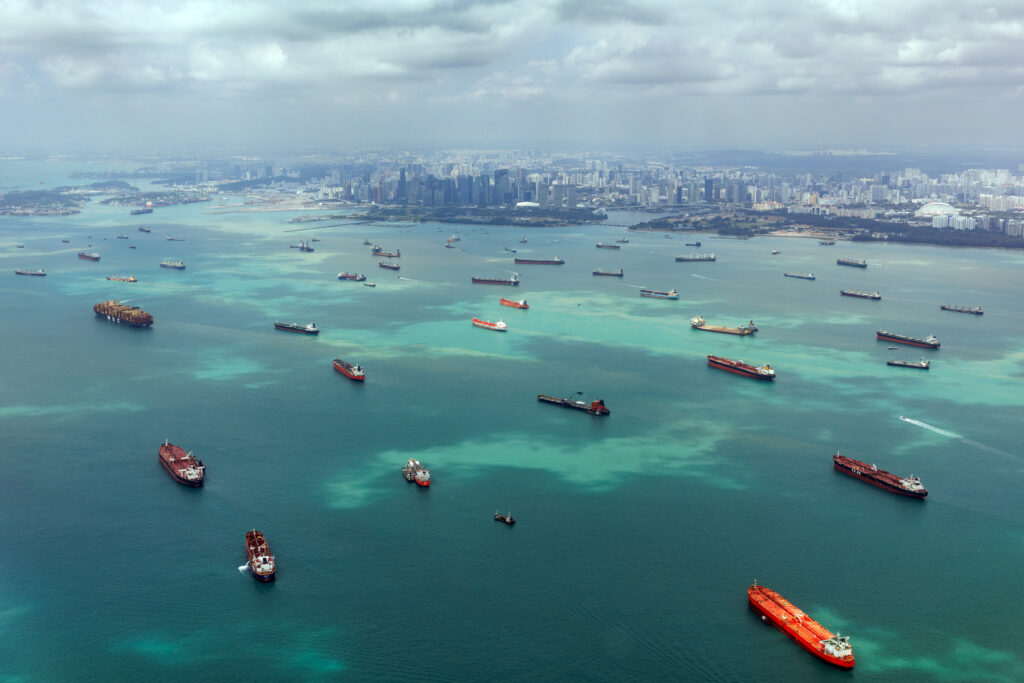
The IMD report highlights that Switzerland, despite its strong reputation for political and economic stability, faces intensifying competition on multiple fronts. Singapore’s rise to the top position in the rankings was largely driven by its business efficiency, a crucial factor that has allowed it to rebound from previous setbacks. This is the first time since 2024 that Singapore has occupied this prestigious spot, emphasizing the dynamic nature of global competitiveness.
One of the main challenges impacting Switzerland is its high currency valuation. Arturo Bris, the director of the IMD’s World Competitiveness Center, noted that the strength of the Swiss franc has diminished the country’s price competitiveness on the global stage. This situation has contributed to a significant drop in foreign investment attraction, leading to Switzerland’s underperformance in the international market. Investors are increasingly seeking opportunities in regions where they can maximize their returns without the burden of a strong currency.
Ivo Germann, head of the Foreign Economic Affairs Directorate at Switzerland’s State Secretariat for Economic Affairs, emphasized that the country must navigate a host of challenges in an increasingly unstable geopolitical environment. The report suggests that Switzerland needs to improve and diversify its access to foreign markets, particularly through the continuation of its successful free trade agreements. This strategic approach is essential not only for reviving investor confidence but also for ensuring the long-term sustainability of the nation’s economy.
The past year has been particularly tumultuous for Switzerland, with domestic referendums that have drawn public attention. Issues such as capping the population at 10 million and imposing a 50% inheritance tax on ultra-wealthy residents have stirred discussions about the future of the Swiss economy. Additionally, the country has faced criticism from the Trump administration over its substantial trade surplus, leading to the imposition of high tariff rates that have further complicated the investment climate.
For traders and investors, these developments signal a need for caution when considering Swiss assets. The protectionist tendencies and the potential for increased tariffs could create headwinds for local businesses, particularly those that rely heavily on export markets. Furthermore, the ongoing geopolitical uncertainties may introduce volatility that could affect market stability.
Key takeaways from this situation include the importance of monitoring currency fluctuations and tariff impacts, as well as the need for strategic diversification in investment portfolios. Investors should also pay close attention to Switzerland’s evolving trade policies and the implications they may have on market performance.
In conclusion, Switzerland’s slip in the IMD World Competitiveness Ranking serves as a reminder of the fluid nature of global economics. As the nation grapples with external pressures and internal challenges, investors must remain vigilant and adaptable. By understanding the underlying factors that influence competitiveness, traders can make informed decisions that align with the changing economic landscape. The lessons learned from Switzerland’s current predicament may well serve as a blueprint for navigating the complexities of investment in an ever-evolving global economy.