
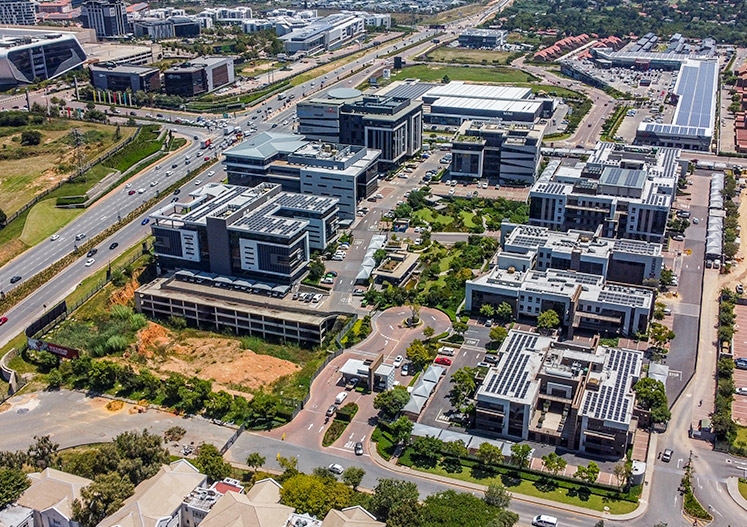
The urban landscape is undergoing a significant transformation, driven by a combination of changing work habits, environmental considerations, and the pressing need for affordable housing. In cities across South Africa, traditional commercial office spaces are increasingly being repurposed into residential developments, offering property entrepreneurs a unique opportunity to capitalize on these shifts. This blog post will explore the factors contributing to this trend, key takeaways for stakeholders, and insights for investors navigating this evolving market.
As businesses adapt to the post-pandemic world, many have chosen to vacate older office buildings in favor of modern, sustainable developments that meet the demands of a changing workforce. This shift has left many historic commercial properties underutilized, presenting a ripe opportunity for property developers to convert these spaces into high-density residential units. The growing shortage of affordable housing in urban areas has intensified the need for such transformations, as municipalities become more open to approving projects that address these critical issues.
One of the most significant drivers of this trend is the high vacancy rates in traditional office spaces, a situation exacerbated by the rise of remote work and flexible working arrangements. Many companies are now opting for hybrid models that reduce their need for large office footprints. Consequently, this has led to an increase in commercial buildings lying dormant, which not only affects the property owners but also the municipalities that rely on taxes generated from these buildings for their revenue.
In response to these challenges, municipalities are more willing than ever to approve high-density residential developments. This shift is not purely altruistic; municipalities recognize that revitalizing these underutilized spaces can enhance their tax base and stimulate local economies. With the demand for affordable housing skyrocketing, particularly in urban centers, the repurposing of commercial real estate into residential units becomes a win-win situation for both property developers and local governments.
A crucial element of this emerging trend is the focus on C-Grade office buildings, which are often seen as ripe for transformation. These properties typically have existing infrastructure and are located near essential amenities, such as public transportation, making them ideal candidates for redevelopment. Furthermore, the adaptability of many older commercial structures allows for creative mixed-use developments that can incorporate retail and personal services, thereby enriching the neighborhood and creating vibrant communities.
In cities like Johannesburg, the adaptive reuse movement is gaining momentum, with areas such as the inner city, Rosebank, and Sandton leading the way in converting outdated office spaces into residential units. These transformations are not merely cosmetic; they address the urgent demand for affordable housing, particularly for students and young professionals seeking accessible urban living options. The high vacancy rate in Johannesburg underscores the necessity of such initiatives, making them a critical part of the city’s urban renewal strategies.
Conversely, Cape Town presents a different dynamic. With lower office vacancy rates and a more robust commercial real estate market, traditional office conversions may not be as prevalent. Instead, developers are focusing on repurposing light industrial properties and peripheral commercial sites, such as those in Salt River and Observatory, into high-yield residential complexes and co-living hubs. This approach aligns with Cape Town’s lifestyle-driven market, which prioritizes community-oriented living and experiential offerings.
In KwaZulu-Natal, the trend is likewise evident, as targeted investments are made in the adaptive reuse of commercial properties to meet the growing demand for housing. Each region is responding to its unique set of challenges and opportunities, but the overarching theme remains the same: the need for innovation in real estate to meet the evolving demands of urban populations.
For investors and property developers, the current landscape presents both challenges and opportunities. Understanding the nuances of local markets, zoning regulations, and community needs is paramount to successfully executing these redevelopment projects. Investors should also consider the potential for mixed-use developments, as these can enhance the value of a project by creating a diverse range of amenities and attracting a broader audience.
In conclusion, the transformation of commercial spaces into residential properties is not just a trend but a necessary evolution in urban real estate. As cities grapple with high vacancy rates and a pressing need for affordable housing, property entrepreneurs have an unprecedented opportunity to reimagine underutilized buildings as valuable residential assets. By embracing this trend, municipalities stand to benefit economically, while residents gain access to much-needed housing solutions. The future of urban living hinges on the ability of property developers to innovate and adapt to the changing landscape, ensuring that cities remain vibrant and inclusive for all.