
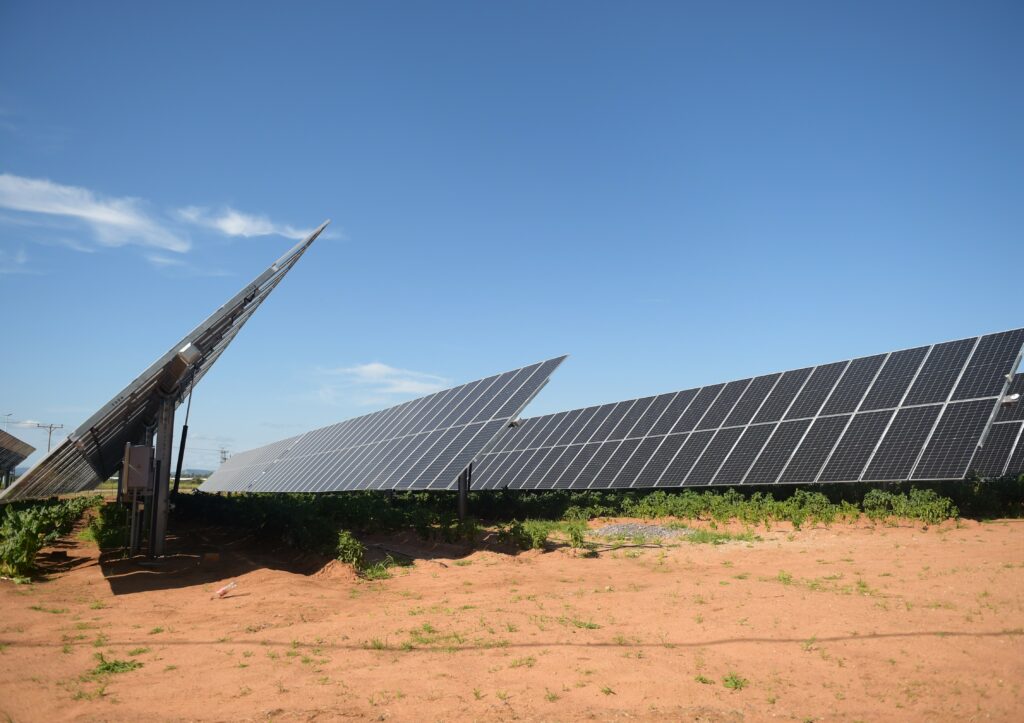
In a groundbreaking move towards sustainable energy, Botswana is on the verge of starting construction on its inaugural large-scale solar power plant. With a robust financing package of $100 million secured, this venture is poised to transform the energy landscape in southern Africa, where electricity demand is experiencing a significant surge. The Tati Solar Project, which will boast a capacity of 100 megawatts, aims to tap into the growing need for electricity in a region that is increasingly reliant on renewable energy solutions.
The Tati Solar Project is being developed by Etavi Renewables, a subsidiary of Shumba Energy Ltd., and is set to contribute to the Southern Africa Power Pool (SAPP). This regional electricity market, established in 1995, facilitates the cross-border sale of power among utilities and independent producers, serving over 360 million people across 12 countries. The lead financial arranger for this significant project is Rand Merchant Bank, a unit of FirstRand Ltd., which has played a pivotal role in structuring the financing to ensure its viability. According to Siyanda Mflathelwa, the head of infrastructure sector solutions at RMB, the financing model established for the Tati project is a game-changer that enhances trading volumes in the day-ahead market of the SAPP.
The decision to invest in the Tati Solar Project aligns with a broader trend: the escalating demand for electricity in southern Africa. Key drivers include the expansion of the mining sector, the rise of data centers, and ongoing efforts to improve energy access for underserved populations. However, challenges persist, particularly climate-related droughts that have hindered hydropower generation in countries like Mozambique. This situation, coupled with the gradual retirement of older, carbon-intensive power generation methods, has created an urgent need for new, sustainable energy solutions.
Mflathelwa notes that investor sentiment is shifting towards recognizing the robust demand that justifies capital investments in energy projects like Tati. This shift is crucial as South Africa also gears up to enhance its contributions to the SAPP, with plans to introduce up to 53 gigawatts of new generation capacity by 2032. The integration of these new resources will not only stabilize the energy market but also facilitate the exchange of surplus electricity across the region.
Another significant aspect of the SAPP’s role in the energy landscape is its capacity for expansion. There is a growing consensus that further integration with South Africa’s Wholesale Electricity Market could optimize electricity distribution and price discovery. As South Africa has recently opened its market to private power producers following a series of severe blackouts, the potential for a more interconnected energy system is on the horizon. This could provide a lifeline to regions facing electricity shortages, particularly in Zambia and the Democratic Republic of Congo, which are grappling with deficits despite the availability of excess capacity in neighboring countries.
For traders and investors, this evolving energy market presents a myriad of opportunities. The anticipated growth in electricity demand creates a fertile ground for investment in renewable energy projects, especially in regions where traditional energy sources are becoming increasingly unreliable or unsustainable. The shift towards renewable energy not only supports the global climate agenda but also promises attractive returns as nations prioritize energy independence and sustainability.
Moreover, the focus on critical minerals in Zambia and the Democratic Republic of Congo, which are essential for the burgeoning artificial intelligence sector, adds another layer of investment potential. As these countries look to expand their energy generation capacities, the need for reliable electricity to power industries will only intensify, further underlining the importance of initiatives like the Tati Solar Project.
In conclusion, Botswana’s upcoming solar project marks a pivotal moment in the southern African energy sector. As the region grapples with rising electricity demand and the challenges posed by climate change, investments in renewable energy will be crucial. The Tati Solar Project, along with others in the pipeline, not only signifies a commitment to sustainable energy but also highlights the economic opportunities that arise from transitioning to a greener energy future. Investors and traders should keep a close watch on this evolving landscape, as it promises to reshape the energy market while contributing to global sustainability efforts.