
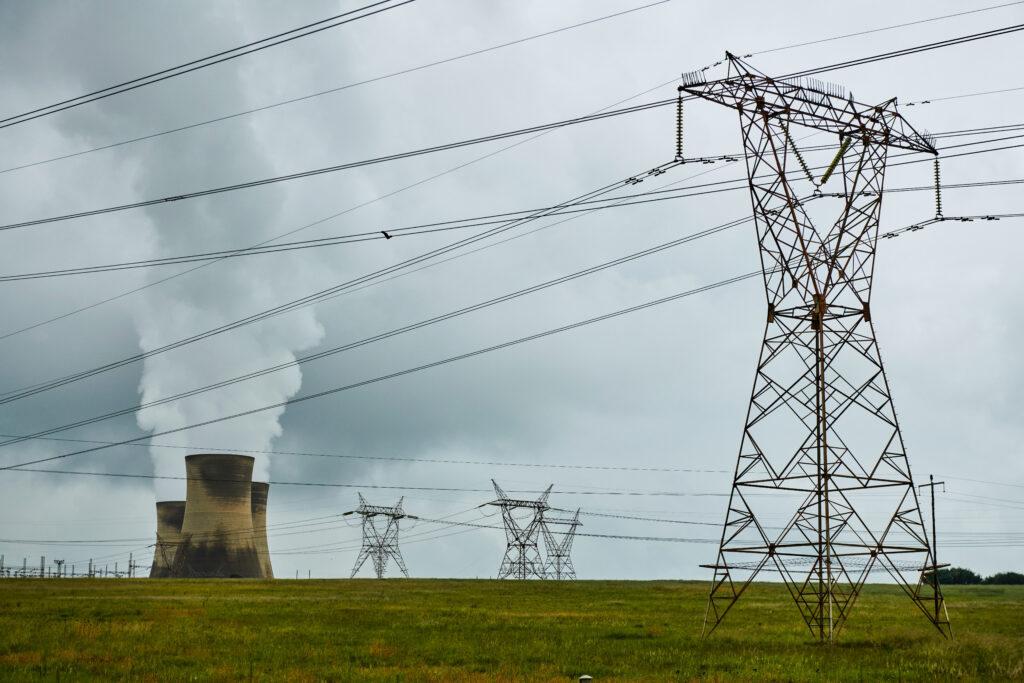
South Africa is at a critical juncture in its pursuit of energy independence and sustainability, particularly with the growing interest in captive and embedded power generation. Despite the abundant financing options available for developers in this sector, substantial obstacles remain—most notably, limited transmission capacity and grid connection constraints. Understanding these challenges is essential for stakeholders looking to navigate the evolving energy landscape and capitalize on the opportunities it presents.
In recent discussions at the Africa Energy Forum held in Cape Town, industry leaders emphasized that while capital is accessible, the primary hurdle lies in the complexity of connecting new projects to the existing grid. Vincenzia Leitich, the executive vice president of power and renewables at Standard Bank, pointed out that the appetite for investment is undeniable, but without adequate grid infrastructure, progress will be stymied. This situation highlights the urgent need for strategic reforms and infrastructural upgrades to facilitate the integration of renewable energy sources into South Africa’s energy mix.
The current state of South Africa’s grid is a significant bottleneck for new energy projects. The country’s electricity grid, largely designed around coal-fired power stations, is struggling to accommodate the influx of renewables—especially since the most promising wind and solar resources are located far from the existing transmission lines. According to Eskom’s latest Transmission Development Plan, there is an immediate need for approximately 14,500 kilometers of new high-voltage transmission lines over the next decade to connect an estimated 56 gigawatts (GW) of new generation capacity. The cost of expanding the grid is projected to be around R440 billion, an investment that the government is seeking to fund through private sector participation.
The government’s Independent Transmission Projects (ITP) initiative aims to attract private investment into the transmission infrastructure, which is crucial for alleviating the current constraints. This shift toward privatization is a response to the legacy issues stemming from South Africa’s historically coal-dependent energy system. The separation of the National Transmission Company South Africa (NTCSA) from Eskom in 2024 marked a significant step in the right direction, enabling the NTCSA to operate independently and obtain a market operator license. However, the government still has a long way to go in terms of creating a fully functional and competitive electricity market.
Key takeaways from the current investment climate in South Africa’s energy sector include:
1. **Investment Readiness**: The presence of capital and investor interest is high, but the lack of grid connectivity poses a significant barrier to project execution.
2. **Infrastructure Needs**: A substantial expansion of the transmission network is necessary to support the integration of new renewable energy projects.
3. **Policy and Regulatory Framework**: Regulatory clarity and a supportive policy environment are critical for attracting further investment and facilitating project development.
4. **Strategic Partnerships**: The government’s approach to engaging the private sector through initiatives like the ITP is vital for overcoming financial and infrastructural limitations.
For traders and investors, the evolving landscape of South Africa’s captive power market presents both challenges and opportunities. Engaging in this sector requires a keen understanding of the regulatory environment and infrastructure dynamics. Investors should closely monitor the government’s progress on grid reforms and private sector engagement, as these developments will significantly influence market conditions and investment viability.
In conclusion, while South Africa’s captive and embedded power market is ripe with potential, realizing this potential hinges on addressing the critical challenges of transmission capacity and regulatory uncertainty. The partnership between the public and private sectors will be essential in overcoming these barriers. By fostering a conducive environment for investment and infrastructure development, South Africa can unlock its vast renewable energy resources, paving the way for a sustainable and resilient energy future. As the energy landscape continues to evolve, stakeholders must remain agile and informed to seize the opportunities that arise in this transformative period.