
The Strait of Hormuz, a critical maritime chokepoint for global oil supply, has once again found itself at the center of geopolitical tensions between the United States and Iran. This strategic waterway, through which a significant percentage of the world’s oil flows, has become a battleground not just for military might but also for narrative control. As both nations offer conflicting accounts of the strait’s status, traders and investors are left to navigate the complexities of the situation that could have far-reaching implications for global energy markets.
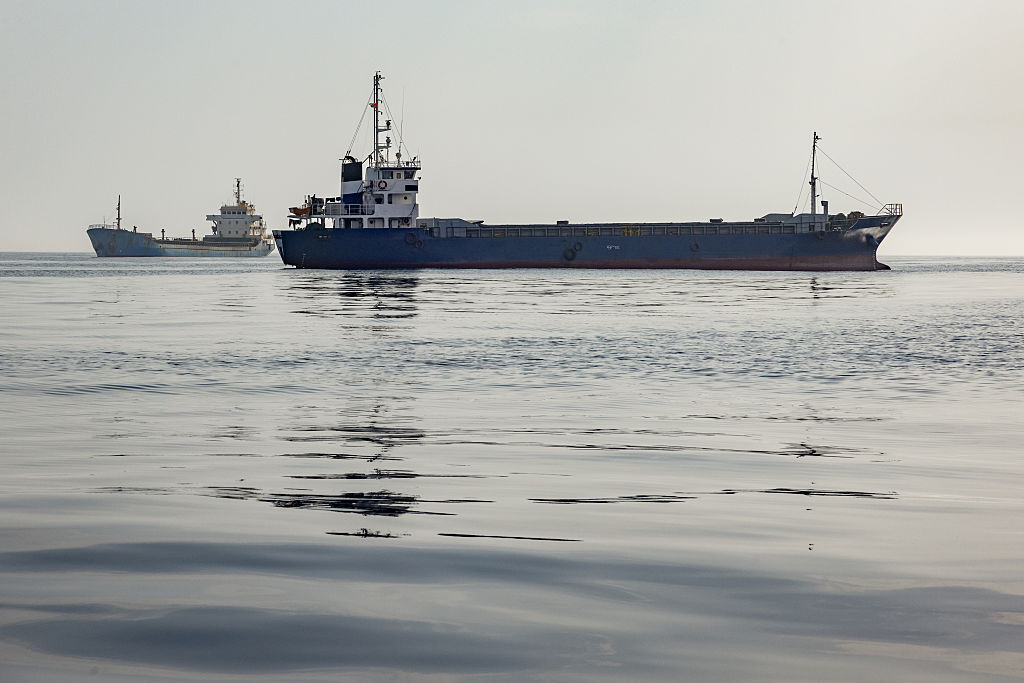
Recent reports indicated that despite Iran’s assertion of having closed the Strait of Hormuz, oil continued to flow through the waterway over the weekend. Five supertankers, carrying a staggering combined capacity of eight million barrels, were observed entering or traversing the strait along a route that skirts the coast of Oman. These vessels managed to send automated tracking signals, indicating their movements, which raises questions about the actual control Iran claims to exert over this vital maritime corridor.
The situation escalates as the U.S. Central Command reported that 17 million barrels had successfully passed through the strait, despite Iranian media claiming otherwise. This contradiction highlights the ongoing struggle for narrative dominance between Washington and Tehran, as both sides attempt to frame the situation to their advantage. Meanwhile, shipping companies and traders are left grappling with uncertainty, trying to determine the safety and viability of transiting this essential route.
Understanding the Strait of Hormuz is crucial for anyone involved in trading or investing in oil. The strait is often regarded as the world’s most important shipping chokepoint, with approximately 20% of global oil consumption passing through it. The recent tensions have raised questions about the reliability of this route and the potential for future disruptions. The U.S. military has maintained that it can effectively protect the southern route near Oman’s coast, countering Iran’s claims of control.
Key points to consider in this ongoing saga include:
1. **Geopolitical Tensions**: The U.S. and Iran continue to engage in a war of words over the control of the Strait of Hormuz. This geopolitical tension can lead to volatility in oil prices, impacting traders and investors.
2. **Oil Supply Chain Risks**: The possibility of Iran enforcing restrictions or even attempting to block the strait can pose significant risks to the global oil supply chain. Traders must remain vigilant about developments in this region.
3. **Market Reactions**: As tensions rise and fall, market reactions can be swift. Traders should be prepared for potential fluctuations in oil prices based on news from the Strait of Hormuz.
4. **Shipping Routes**: Shipping companies are exploring alternative routes and strategies to mitigate risks associated with passing through the strait. The southern route near Oman has emerged as a potential safer passage.
5. **Automated Tracking Signals**: The use of automated tracking signals by vessels can provide valuable data for traders. Monitoring these signals can offer insights into shipping trends and the potential safety of routes.
For traders and investors, the situation in the Strait of Hormuz underscores the importance of staying informed about geopolitical developments. The interaction between military actions, diplomatic negotiations, and oil supply dynamics can create both opportunities and challenges in the market.
As negotiations between the U.S. and Iran continue, particularly with talks taking place in Switzerland regarding a potential peace deal, the outcome will have significant implications for energy markets. Traders and investors must assess the ongoing risks and opportunities that arise from the evolving situation. Keeping a close eye on developments in the Strait of Hormuz is essential, as any sudden escalation or resolution could lead to substantial market movements.
In conclusion, the ongoing tensions in the Strait of Hormuz serve as a reminder of the interconnectedness of geopolitical events and global markets. As oil traders and investors navigate these complexities, it is crucial to remain agile and informed. The ability to adapt to changing circumstances will be key to successfully managing risks and capitalizing on potential opportunities in this volatile environment. The future of oil supply is uncertain, but one thing remains clear: the strategic importance of the Strait of Hormuz is unlikely to diminish anytime soon.