
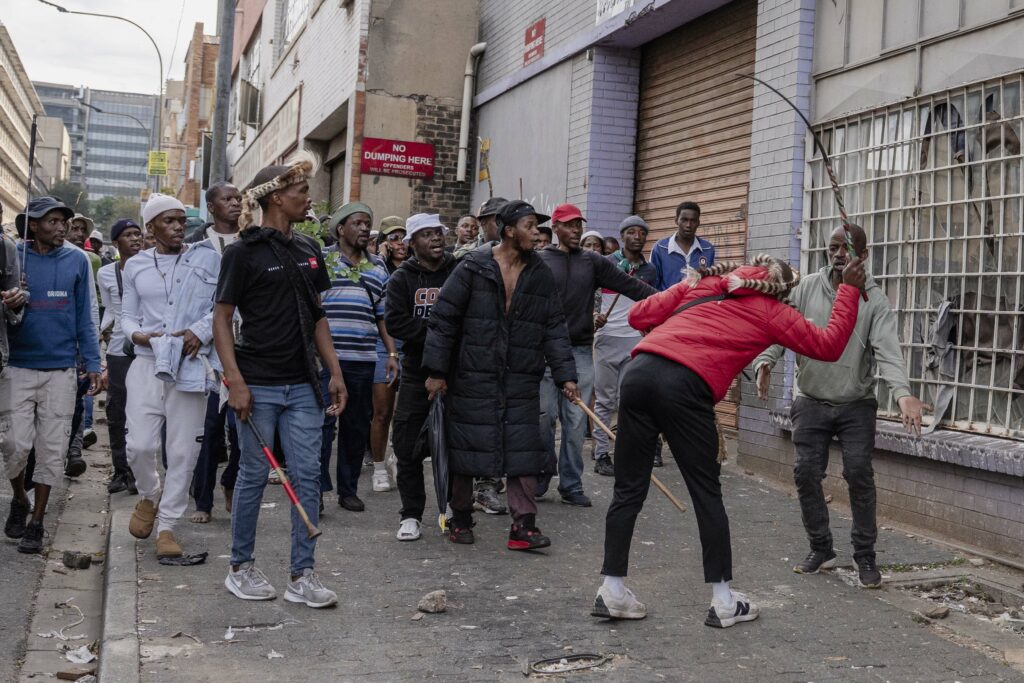
In recent months, South Africa has witnessed a significant humanitarian crisis that underscores the complexities of migration and economic challenges in the region. As thousands of displaced individuals gather in makeshift camps, the situation raises pressing questions about social cohesion, economic stability, and the future of migration in Southern Africa. The unfolding events have not only drawn attention to the plight of migrants but also illuminated the broader socio-economic issues that South Africa faces today.
The backdrop to this crisis is a growing anti-migrant sentiment that has permeated South African society. What began as a small group of Malawian migrants seeking sanctuary has escalated into a sprawling camp of approximately 10,000 individuals outside a mosque in Durban. This rapid increase in numbers highlights the desperation faced by many who are fleeing challenging conditions in their home countries, such as Malawi, which has an economy significantly smaller than that of South Africa. The disparity between the two nations—Malawi’s economy is estimated at $18 billion compared to South Africa’s $480 billion—has historically drawn workers seeking better opportunities.
As these individuals gather in what has become an unofficial refugee camp, the situation becomes increasingly precarious. Tensions are palpable as fears of violence loom. Local leaders, like Cassim Ibrahim, are doing their best to manage these rising tensions and ensure the safety of those in the camp. The potential for chaos is exacerbated by the constant influx of newcomers, each carrying their own stories of hardship and hope. Ibrahim’s concerns about the distribution of essential supplies, such as donated diapers, reflect a broader challenge: managing scarce resources in a situation where panic could easily erupt.
At the heart of this crisis is a growing divide between South Africans and migrants. The March and March organization has emerged as a vocal anti-migrant group, staging protests based on unfounded claims of preferential treatment being given to foreign nationals. Their demands for the expulsion of all foreign nationals from South Africa by the end of June only serve to heighten the tensions. Such sentiments have historically fueled violence against immigrant populations, establishing a cycle of fear and aggression that is difficult to break.
The migrant crisis is not simply a humanitarian issue; it is intricately linked to the economic struggles faced by South Africa. The country grapples with high unemployment rates, stagnant economic growth, and failing public services, all of which contribute to a volatile environment for both locals and migrants. As the South African economy falters, the narrative that foreigners are taking jobs or resources from South Africans becomes more prevalent, creating a hostile atmosphere for those seeking refuge.
Key takeaways from this situation include the recognition that migration is often a response to dire economic circumstances. Many migrants, including those from Malawi, have historically relied on the South African economy to support their families back home. However, with the current economic climate, the traditional migration routes are under strain. The government of Malawi has attempted to repatriate some of its citizens, but this effort has not addressed the larger crisis that is unfolding.
Investors and traders should take note of how these social issues can impact markets and economic stability in the region. The humanitarian crisis has the potential to disrupt local economies, affect labor markets, and create further volatility in South African businesses. Additionally, the negative sentiment surrounding migrants may lead to policy changes that could affect both local and foreign investments. Understanding the socio-economic landscape is crucial for making informed decisions in such a turbulent environment.
In conclusion, the situation outside the mosque in Durban serves as a microcosm of the larger issues at play in Southern Africa. The gathering of thousands of migrants in search of safety is a stark reminder of the humanitarian crises that can arise from economic instability and social strife. As South Africa continues to navigate these challenges, it is essential for both policymakers and community leaders to work towards fostering an environment of understanding and support. Addressing the root causes of migration and the socio-economic disparities that fuel anti-migrant sentiment will be key to building a more inclusive and resilient society. The future of South Africa, and the well-being of its people—both locals and migrants—depend on it.