
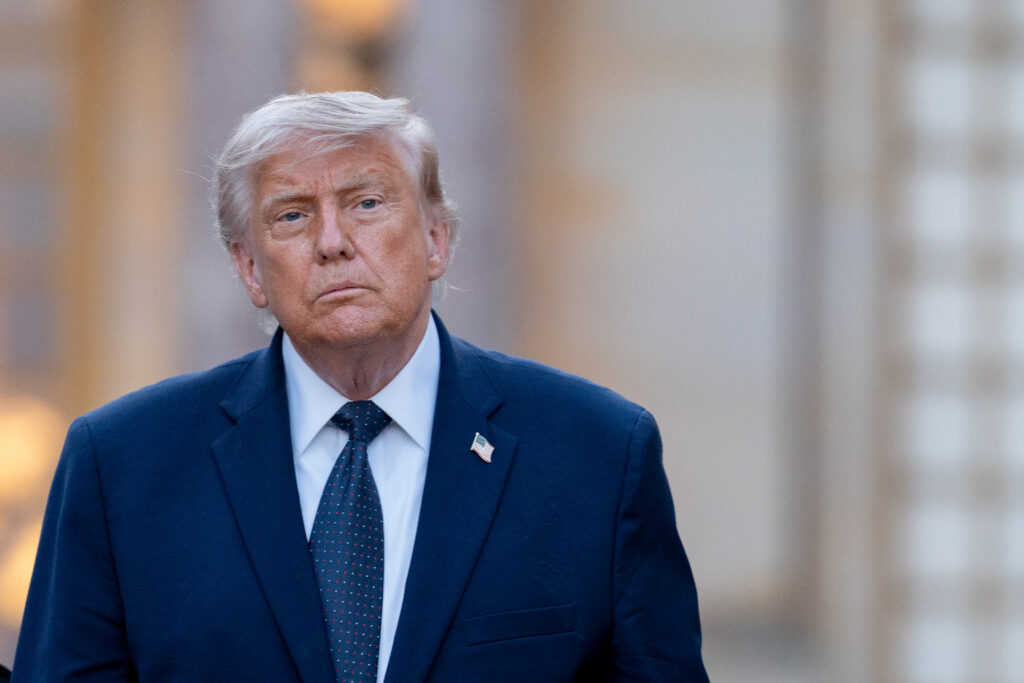
In the intricate world of international trade, the policies of the United States have far-reaching implications, particularly when it comes to tariffs. With the recent invalidation of sweeping global tariffs by the Supreme Court, President Donald Trump’s administration is now pivoting towards a revised strategy aimed at protecting American industries while addressing legal vulnerabilities. This blog post delves into the evolving landscape of U.S. tariffs, the mechanisms behind them, and the potential ramifications for various nations and industries.
The backdrop of this discussion is the Supreme Court’s recent ruling that deemed President Trump’s extensive tariffs illegal. In response, the administration is seeking to implement a new framework of import taxes, reminiscent of tariffs introduced at the outset of Trump’s second term. However, the current geopolitical and economic climate has shifted significantly since April 2, 2025, a date Trump labeled “Liberation Day.” The administration’s strategy now hinges on addressing legal challenges and regulatory scrutiny, particularly through investigations into trade unfairness practices.
Central to these investigations is Section 301 of the Trade Act of 1974, a legal provision granting the U.S. government the authority to take action against unfair trade practices. The administration has focused on two primary areas: forced labor regulations and excess industrial capacity. While not every country is under investigation, the consequences of these probes are likely to ripple through international trade dynamics.
As temporary tariffs are set to expire at the end of July, the landscape could shift again, with some nations potentially benefiting from reduced tariff rates. Conversely, others might find themselves at a disadvantage. The unpredictability of Trump’s policy-making style adds a layer of complexity to this already nuanced situation.
One critical aspect of this tariff strategy is the administration’s use of exemptions for specific imports that are deemed essential, such as artificial intelligence equipment, agricultural machinery, and certain consumer goods like Brazilian coffee. These exemptions can alter the competitive landscape, benefiting select industries while imposing additional burdens on others.
The implications of these tariffs extend beyond mere numbers. Countries that have previously established trade agreements with the U.S. are particularly anxious about how these new policies will affect them. Nations such as India, members of the European Union, Japan, South Korea, and the United Kingdom have all negotiated tariff caps on various goods, including automobiles. U.S. officials have reassured these partners that existing agreements will remain intact, but the uncertainty surrounding future tariffs continues to loom large.
A recent diplomatic visit by U.S. Trade Representative Jamieson Greer to India may offer some insights into what these other countries can expect. Indian Commerce and Industry Minister Piyush Goyal emphasized the need for India’s tariff duties to be lower in comparison to those of competing nations, highlighting the competitive pressures that such tariffs can create.
To better understand the potential winners and losers in this new phase of tariff policies, let’s take a closer look at specific countries:
**The Philippines** has emerged as a potential beneficiary. Under the newly proposed tariffs, the Philippines could see its tariff rate reduced from 19% to 12.5%, as it is not involved in the excess capacity investigation. This reduction could enhance the Philippines’ competitive edge, particularly given that U.S. imports from the country saw a 51% increase in the early months of 2025.
**South Africa**, on the other hand, faced a steep 30% tariff due to allegations of discrimination against specific groups. With the conclusion of the forced-labor investigation, this rate is expected to drop to 12.5%. This change could open up avenues for South African goods in the U.S. market.
As we unpack these developments, it is crucial for traders and investors to stay informed about the shifting tariff landscape. Understanding which countries may benefit from reduced tariffs and which may face increased duties can inform strategic decisions in international trade and investment.
In conclusion, the evolving tariff strategy under President Trump represents a complex interplay of legal, economic, and diplomatic factors. While some nations may stand to gain from reduced duties, others could find themselves at a disadvantage. As the administration navigates this new terrain, stakeholders must remain agile and informed, ready to adapt to the unpredictable nature of U.S. trade policies. The coming months will likely reveal much about the future direction of America’s trade relations and the broader implications for global commerce.