
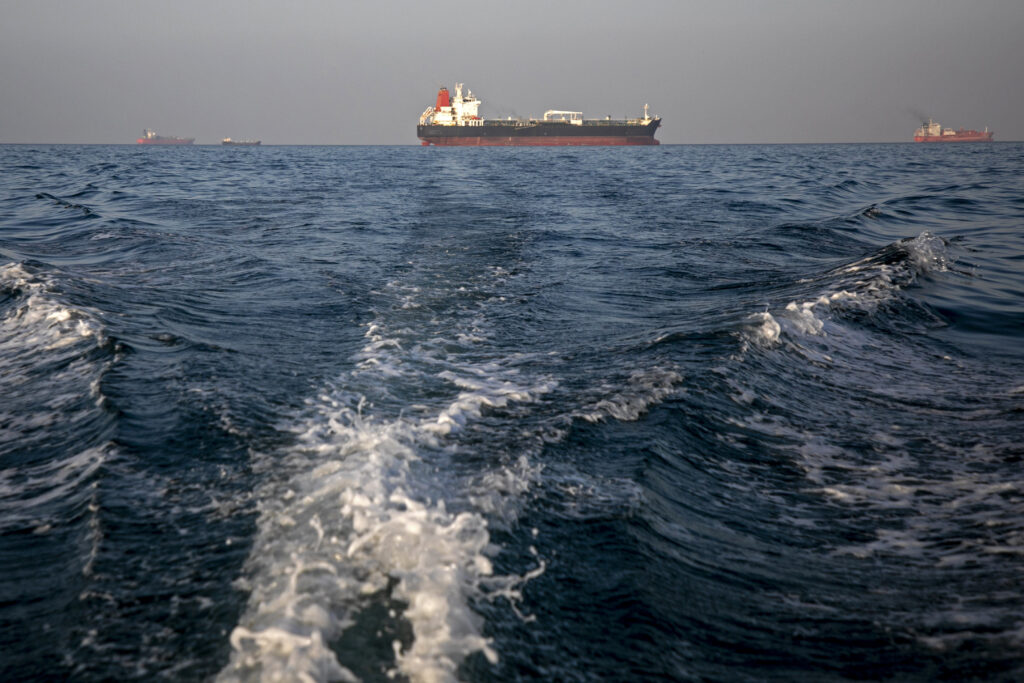
In recent weeks, Iran has significantly increased the volume of crude oil it is sending through the strategically crucial Strait of Hormuz, reaching levels not seen since the onset of conflict in the region. This uptick in shipping activity comes at a time when diplomatic efforts between Tehran and Washington are reportedly moving toward a potential peace agreement, raising questions about the future of oil supply and pricing on the global stage. As geopolitical landscapes shift, understanding the implications of these developments is essential for traders and investors alike.
The Strait of Hormuz, a narrow waterway that serves as a critical artery for global oil and natural gas supplies, has seen a resurgence in shipping traffic. Following the entry of three Iranian supertankers—Elva, Virgo, and Vigor—carrying approximately six million barrels of crude oil, observers are keenly watching how this will influence market dynamics. These vessels are reportedly en route to Singapore, where they will likely transfer their cargoes to smaller ships bound for refineries in China, a key player in the global energy market.
This recent increase in oil exports from Iran is indicative of a broader trend as the Islamic Republic appears to be ramping up its production capabilities. The ships are departing from Kharg Island, Iran’s primary oil-export terminal, which has recently resumed operations. This pivot comes on the heels of the United States lifting a blockade that had hindered shipping activities to Iranian ports since mid-April, signaling a potential thaw in relations that could have far-reaching implications for global oil supply chains.
Before the war began in late February, approximately 20% of the world’s crude oil and liquefied natural gas transited through the Strait of Hormuz. With the recent developments, this vital corridor is experiencing increased movement, suggesting a return to normalcy in trading activities. Notably, several laden tankers were observed exiting the strait over the weekend, although some opted to disable their transponders, raising concerns about transparency in shipping activities.
Key points to consider include the following:
1. **Increased Exports:** Iran’s ability to send crude oil through the Strait of Hormuz is a significant development. The three supertankers alone represent a substantial volume of crude, which could impact global supply levels and pricing.
2. **Impact on Global Prices:** As Iranian oil becomes more accessible, traders need to monitor how this influx may affect crude oil prices. An increase in supply could lead to downward pressure on prices, especially if demand remains steady or declines.
3. **Geopolitical Implications:** The delicate balance of power in the region remains volatile. Diplomatic negotiations between the U.S. and Iran could further influence market sentiments, especially if a peace deal is reached that encourages more significant economic engagement.
4. **Storage and Production Dynamics:** Observations of empty vessels entering the Persian Gulf suggest that exporters are gearing up to increase production to meet potential demand. This is particularly relevant as storage capacities are nearing their limits amid fluctuating global consumption patterns.
For traders and investors, these developments present both opportunities and challenges. The renewed flow of Iranian crude could create buying opportunities, especially if prices decline in response to increased supply. Conversely, the geopolitical risks associated with the region cannot be overlooked, as any sudden changes in diplomatic relations or military actions could swiftly alter the landscape.
In conclusion, Iran’s decision to ramp up crude oil exports through the Strait of Hormuz is a pivotal moment that could reshape the global energy market. As diplomatic efforts progress and shipping activities increase, both traders and investors must remain vigilant. The interplay between supply, demand, and geopolitical factors will dictate market movements in the coming months. Understanding these dynamics will be crucial for anyone involved in energy investments, as the ripple effects of these developments are likely to be felt far beyond the region.