
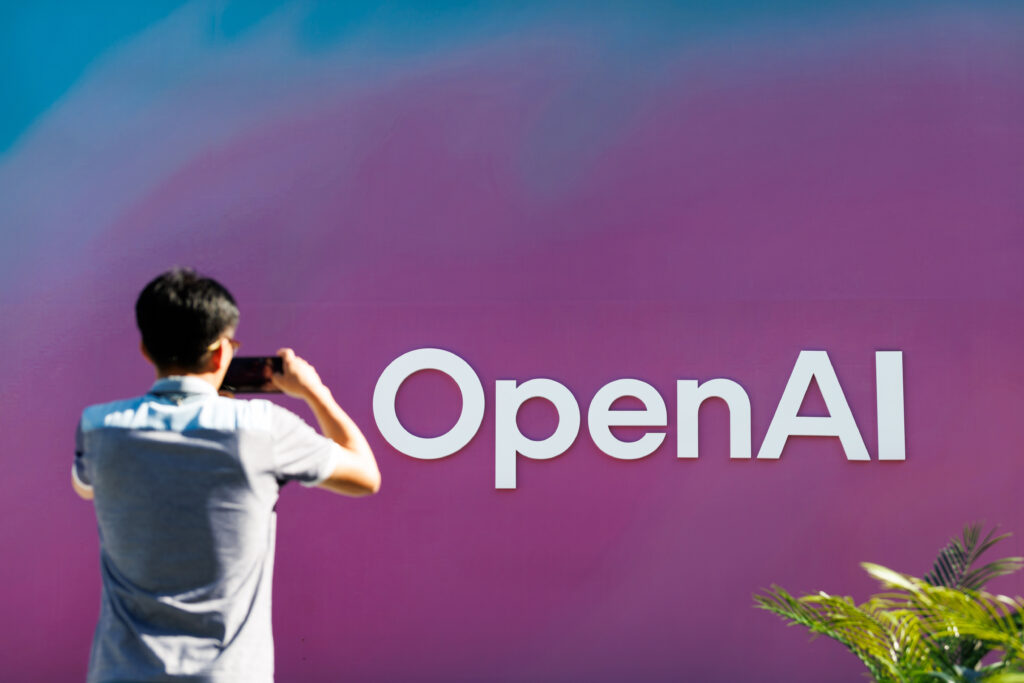
In an unexpected twist in the tech and photography sectors, Getty Images Holdings experienced a dramatic surge in its stock prices, skyrocketing nearly 200% in premarket trading on Monday. This surge was propelled by the announcement of a significant licensing agreement with OpenAI, the organization behind the popular ChatGPT platform. As the landscape of digital imagery continues to evolve, this partnership marks a pivotal moment for Getty Images, which has faced considerable challenges in an increasingly competitive market dominated by artificial intelligence technologies.
The essence of this partnership lies in Getty’s plan to integrate its expansive library of images into the search and discovery features of ChatGPT. This collaboration not only signifies a major shift in Getty’s strategy but also highlights the growing intersection between traditional media and cutting-edge AI applications. The companies, however, have not disclosed financial specifics or clarified whether Getty’s images will be utilized to train future iterations of OpenAI’s models, leaving investors and analysts with questions about the long-term implications of this partnership.
Over the past year, Getty Images has faced significant headwinds, with its stock plummeting roughly 55% prior to the announcement, closing at just 61 cents on the previous Friday. The decline was largely attributed to fears surrounding the encroachment of AI technologies on the photography market, with companies like OpenAI able to generate realistic images that could potentially overshadow the need for traditional stock photo providers. This concern has been exacerbated by ongoing legal disputes, including Getty’s previous attempts to protect its business model through litigation against Stability AI, another prominent player in the AI space.
Initially, Getty Images appeared resistant to the rise of AI image generation, opting to develop its own AI capabilities rather than embracing collaboration. However, this recent licensing deal indicates a significant change in approach. The partnership with OpenAI is not just a lifeline for Getty but also a strategic move to position itself alongside firms that are reshaping the digital landscape. OpenAI’s licensing agreements with various media and news organizations highlight the potential for collaboration, allowing both parties to benefit from shared resources and expertise.
Key takeaways from this development include the recognition that traditional industries must adapt to remain relevant in the face of technological advancements. Getty’s pivot toward collaboration with a leading AI firm underscores the necessity for legacy companies to innovate and explore new opportunities, rather than resist change. The deal also emphasizes the growing role of AI in content creation, which can raise important questions about intellectual property rights and the ethical implications of using existing works to train AI models.
For traders and investors, this news presents a compelling narrative. The sharp increase in Getty’s stock price is a testament to the market’s positive reaction to the potential for growth and revitalization within the company. It serves as a reminder that strategic partnerships can unlock new avenues for revenue and market positioning, especially in industries that are being disrupted by technology. Investors should closely monitor how Getty navigates this partnership, including the terms of the deal and its impact on future earnings reports.
In conclusion, Getty Images Holdings’ recent stock surge following its licensing agreement with OpenAI marks a significant turning point for the company. This collaboration not only positions Getty to leverage the advancements of AI but also reflects a broader trend where traditional media companies adapt to the evolving technological landscape. As the integration of AI into creative industries continues to unfold, it will be crucial for stakeholders to stay informed on the implications of such partnerships. The potential for growth and innovation is vast, but the journey will require careful navigation of the challenges that accompany this new frontier in digital imagery.