
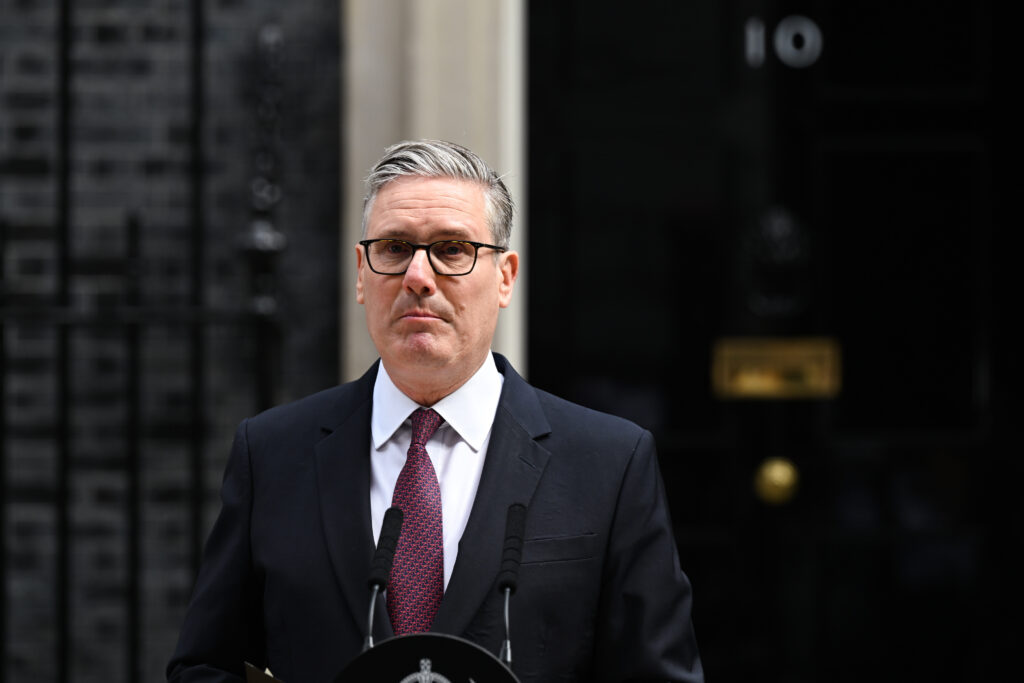
In a surprising turn of events in British politics, the resignation of Prime Minister Keir Starmer has prompted significant fluctuations in the financial markets. As the political landscape begins to shift, investors are keenly observing how this transition may impact the UK economy, particularly the value of the pound and the performance of UK gilts. The resignation has paved the way for Andy Burnham, a prominent figure in the Labour Party, to potentially ascend to leadership, raising questions about the future direction of fiscal policy in the UK. This blog post delves into the implications of Starmer’s departure and what it means for investors and traders alike.
The resignation of Keir Starmer, who has led the Labour Party through a tumultuous period, has set the stage for a new chapter in UK politics. His departure comes after a disappointing performance in local elections, which has led to increased scrutiny of his leadership. In the wake of his resignation, Andy Burnham has announced his candidacy for the position, and the dynamics of the party are shifting. Investors are particularly interested in how this new leadership could influence the UK’s financial landscape, especially in relation to the pound and government bonds.
As news of Starmer’s resignation broke, the UK 10-year bond yields witnessed a modest decline of four basis points, settling at 4.80%. Concurrently, the pound experienced a slight uptick, rising by 0.1% against the dollar to reach $1.3244, and gaining 0.2% against the euro. This market reaction reflects a sense of cautious optimism among investors regarding the potential for a stable transition in leadership. The announcement by Wes Streeting, previously viewed as a rival for the leadership, to back Burnham has further solidified expectations of a smooth succession.
The implications of a new leader extend beyond mere political maneuvering; they hold significant weight for the UK’s fiscal policies and borrowing strategies. Investors are particularly focused on the potential appointments that the new prime minister might make, especially concerning the Chancellor role. Should Rachel Reeves be replaced, the choice of her successor could send ripples through the financial markets. According to Pooja Kumra, a senior strategist at Toronto Dominion Bank, Streeting’s backing of Burnham suggests a more fiscally conservative approach, which could bolster confidence in both the pound and UK gilts.
However, the lack of clarity regarding Burnham’s policy positions makes it challenging for investors to accurately assess the potential impacts on future borrowing and spending. The UK is currently grappling with significant debt levels, and any signals of increased borrowing to fund new initiatives could raise concerns among market participants. The upcoming leadership contest, which is set to open for nominations on July 9 and conclude by September 1, is likely to be closely monitored by investors as they seek to gauge the potential economic ramifications of a new government.
Moreover, broader market trends are also influencing UK bond yields. Recently, optimism surrounding a potential peace deal between the US and Iran has contributed to a decline in yields, which had previously surged to an 18-year high due to geopolitical tensions and rising oil prices. The interplay between global events and domestic political changes creates a complex environment for investors, who must navigate these factors to make informed decisions.
Key takeaways from this political upheaval include the following:
1. The resignation of Keir Starmer has opened the door for a leadership change that could redefine the Labour Party and its policies.
2. Investors are optimistic about a smooth transition, especially with the backing of key figures like Wes Streeting.
3. The choice of Chancellor and potential fiscal policies will be crucial in determining the future trajectory of the pound and UK gilts.
4. Broader geopolitical developments are also impacting market sentiment, adding further complexity to investment strategies.
For traders and investors, the current political climate in the UK presents both opportunities and challenges. The prospect of a new leadership could lead to a reevaluation of fiscal policies, potentially creating a more stable environment for investment. However, the uncertainty surrounding policy direction necessitates a cautious approach. Investors should remain vigilant, closely tracking developments in the leadership contest and any statements from potential candidates regarding fiscal strategies.
In conclusion, the resignation of Keir Starmer has set in motion a series of events that could significantly impact the UK’s financial landscape. As Andy Burnham positions himself for leadership, the markets are responding with a mix of caution and optimism. The outcome of this political transition, along with the choices made regarding economic policy, will play a critical role in shaping the future of the pound and UK gilts. Investors would do well to stay informed and adaptable in these uncertain times, as the implications of this leadership change could reverberate far beyond the political arena.