
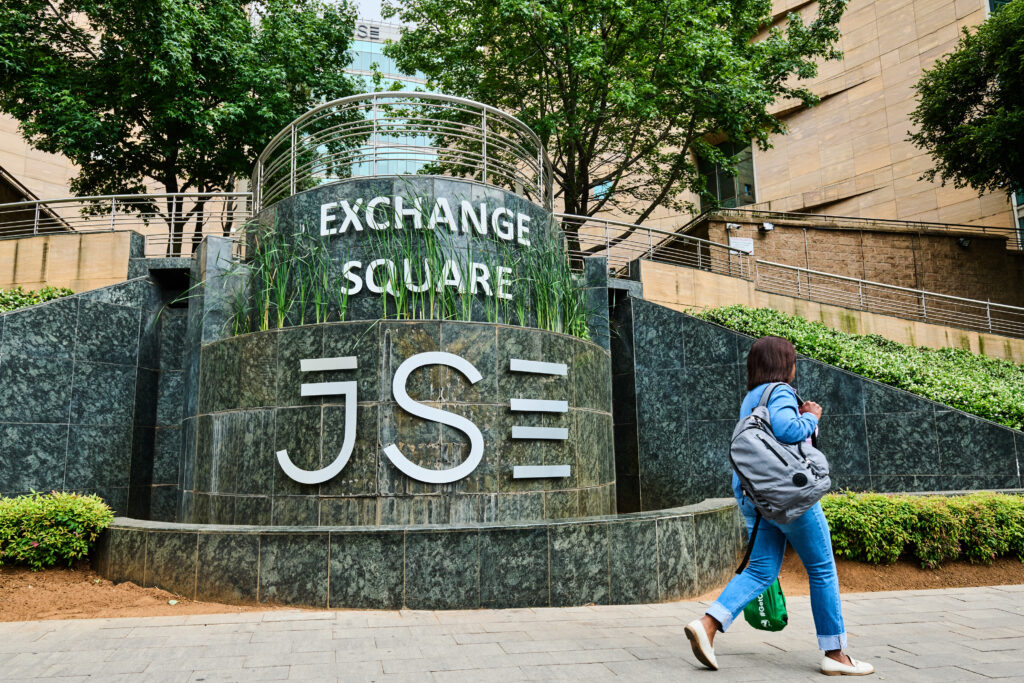
In the intricate web of financial markets, the role of designated advisors and their commitment to compliance is paramount. A recent incident involving the Johannesburg Stock Exchange (JSE) and Merchantec Capital highlights the critical importance of these responsibilities and the potential ramifications of non-compliance. This case serves as a cautionary tale for investors, traders, and financial professionals alike, illustrating how lapses in due diligence can jeopardize market integrity and investor confidence.
In May 2025, the JSE publicly censured Merchantec Capital, a mergers and acquisitions advisory firm, for its failure to uphold its duties as a gatekeeper of market compliance. The controversy began when Merchantec initially approved a Sens announcement from Mantengu, a mining investment company, which alleged that a sophisticated criminal syndicate had conspired to manipulate its share price. The claims made in the announcement were later deemed speculative and unverified, leading to a breach of the listings requirements set forth by the exchange.
Merchantec Capital served as the designated advisor to Mantengu until July 1, 2025. However, after the announcement was published, it became clear that the information disclosed did not meet the necessary standards of specificity and veracity. Following a reassessment of the situation, Merchantec advised Mantengu’s board that the announcement was non-compliant and requested its retraction. Despite these efforts, Mantengu refused to withdraw the announcement, leaving the misleading information in the public domain.
The JSE’s response was swift. While recognizing that Merchantec took steps to rectify the situation by attempting to withdraw its approval, the exchange emphasized that these actions did not rectify the initial failure to properly assess the announcement before it was released. The JSE noted that designated advisors have a vital responsibility to rigorously evaluate announcements and ensure compliance with listings requirements. They are expected to act as guardians of market integrity by thoroughly interrogating any claims made in Sens announcements, especially those that could influence share prices.
Key Takeaways from the Incident
Firstly, this situation underscores the essential role of designated advisors in maintaining the integrity of financial markets. Their approval should be seen as a stamp of compliance, and any failure in this regard can lead to significant consequences for all parties involved.
Secondly, the incident serves as a reminder that financial disclosures must be grounded in verified information. Speculative claims can not only mislead investors but can also lead to regulatory repercussions for the companies involved.
Lastly, the JSE’s actions reveal the importance of accountability within the financial ecosystem. By publicly censuring both Merchantec and Mantengu, the exchange reinforced its commitment to enforcing compliance and protecting investors.
For traders and investors, this incident raises several important insights. Firstly, due diligence is crucial. Investors should critically evaluate announcements and claims made by companies, especially when they seem sensational or unverified. Understanding the role of designated advisors and the compliance framework within which they operate can provide a clearer picture of the reliability of information.
Moreover, the incident illustrates the potential volatility that can arise from unverified claims. Traders should be cautious when responding to announcements that have not been substantiated, as the market reaction can often be swift and severe.
In conclusion, the JSE’s censure of Merchantec Capital serves as a vital lesson in the importance of compliance in financial markets. As the guardians of market integrity, designated advisors must fulfill their responsibilities diligently to protect investors and maintain trust in the financial system. For investors and traders, understanding the implications of compliance—or the lack thereof—can inform more prudent decision-making and foster a more resilient investment strategy in an ever-evolving market landscape.