
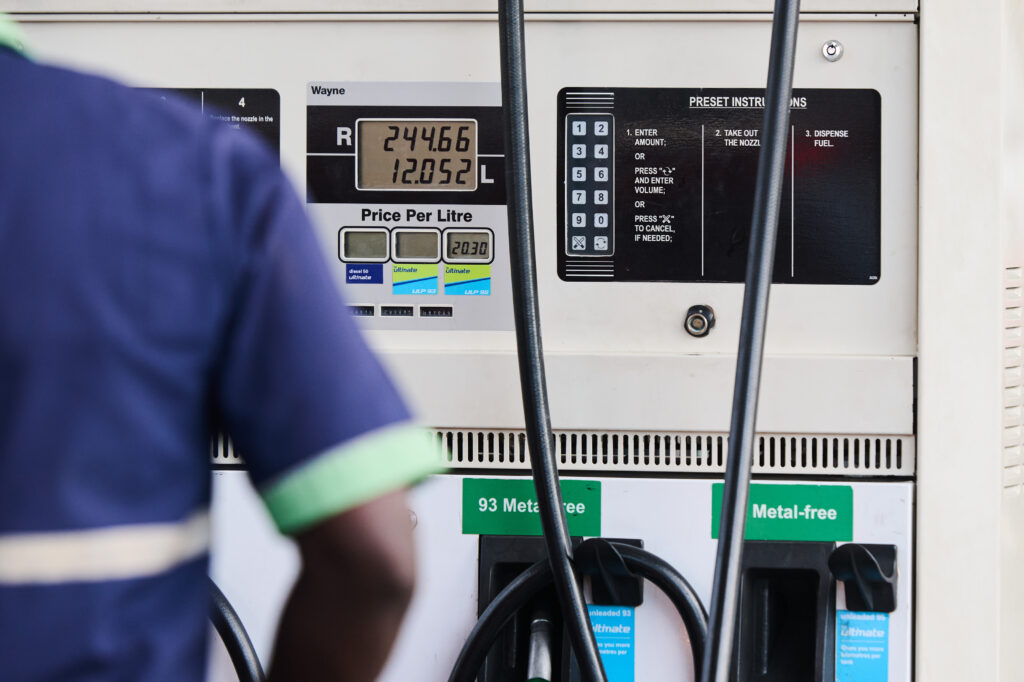
In the dynamic landscape of South Africa’s economy, consumer confidence serves as a barometer for the overall financial health of households. Recent developments have painted a sobering picture, as the country grapples with significant challenges stemming from rising fuel prices. The latest findings from First National Bank (FNB) reveal a dramatic decline in consumer confidence, which has fallen to its lowest point since early 2025. The implications of this downturn are far-reaching, affecting households and the broader economy alike.
The FNB Consumer Confidence Index, a crucial metric compiled by the Bureau for Economic Research, registered a disheartening drop to -19 in the second quarter of the year, down from -7 in the previous quarter. This stark decline signals a troubling shift in consumer sentiment, particularly as households face soaring fuel costs exacerbated by global conflicts, notably the ongoing tensions surrounding Iran. Estimates suggest that these fuel price increases have imposed an additional burden of approximately R45 billion ($2.7 billion) on the South African economy, a significant financial strain for many households.
Rising fuel prices are not merely a consequence of regional conflicts; they also reflect broader energy supply challenges. The situation has been further complicated by geopolitical tensions, particularly in the Middle East, which have constrained oil supply chains. As a result, consumers are feeling the pinch in their wallets, leading to a decline in discretionary spending. FNB’s Chief Economist, Mamello Matikinca-Ngwenya, noted that affluent households have been particularly affected by the dramatic increases in petrol and diesel prices, which have far-reaching implications for their overall financial well-being.
In response to these economic pressures, the South African Reserve Bank has implemented measures to curb inflation. In a bid to stabilize prices, the central bank raised borrowing costs by 25 basis points, bringing the interest rate to 7%. This decision comes in light of inflationary pressures that have seen the rate rise to 4.5% in May, a marked increase from 3.1% in March. The central bank has set an inflation target of 3%, with a tolerance band of one percentage point on either side. This commitment to maintaining price stability underscores the challenges that policymakers face in navigating a volatile economic landscape.
Key takeaways from this situation reveal several crucial points for both consumers and investors. First and foremost, the sharp decline in consumer confidence signals potential shifts in spending behavior. Households may prioritize essential expenses over luxury items, leading to a slowdown in various sectors of the economy. Additionally, rising fuel prices could lead to increased transportation costs, impacting businesses and consumers alike. Investors should closely monitor these trends, as they may influence market dynamics and investment opportunities in the near future.
For traders and investors, understanding the broader implications of consumer confidence and rising fuel costs is essential for making informed decisions. A decline in consumer confidence can often lead to bearish market sentiment, prompting traders to exercise caution in their investment strategies. Conversely, sectors that provide essential goods and services may experience increased demand as consumers prioritize their spending. Identifying these shifts can offer valuable insights into potential investment opportunities.
In conclusion, the recent decline in consumer confidence in South Africa serves as a stark reminder of the interconnectedness of global events and local economies. Rising fuel prices, driven in part by geopolitical tensions, have placed immense pressure on households and the broader economy. As the South African Reserve Bank takes measures to curb inflation, consumers and investors alike must navigate this challenging landscape with caution. Understanding the implications of these developments will be crucial for making sound financial decisions in the months ahead. Whether you are a consumer adjusting your budget or an investor recalibrating your portfolio, staying informed and adaptable will be key to weathering the storm.