
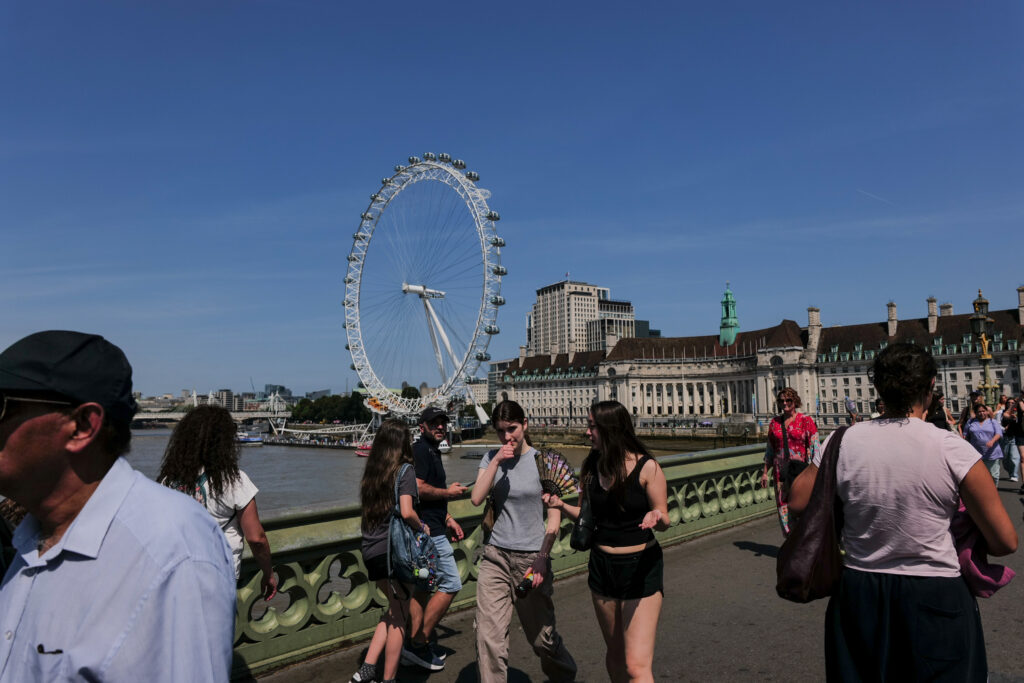
As the southern parts of the United Kingdom brace for unprecedented heat, the implications of extreme weather extend beyond discomfort and public health; they also cast a long shadow over the economy. With temperatures set to soar to record highs and the Met Office issuing a rare red warning, it’s crucial to examine how these climatic shifts can disrupt various sectors and what they mean for investors and traders alike.
The current situation in the UK is emblematic of a broader trend where climate change is intensifying weather patterns, leading to more frequent and severe heatwaves. Researchers have noted a consistent rise in summer temperatures, and this phenomenon is expected to continue, particularly as global warming accelerates. The immediate cause of the current heat spike is a high-pressure heat dome moving in from continental Europe, compounded by shifts in the jet stream linked to a developing El Niño phenomenon.
While the UK may not experience temperatures as extreme as those recorded in countries like France, where a staggering 43.3 degrees Celsius was reported recently, the infrastructure and societal fabric of the UK are ill-equipped to handle severe heat. Many buildings lack adequate air conditioning, with only about 7% of homes equipped with central cooling systems. This lack of preparedness can lead to significant disruptions across multiple sectors, including education, transportation, and public health.
Schools in London and surrounding areas have already begun to react to the impending heat by altering schedules or shutting down altogether. Although the Department for Education typically maintains that learning is best achieved through consistent attendance, the health risks posed by extreme temperatures have led to early closures in various institutions. This response not only affects students and families but also has wider implications for the economy, as parents must adjust their work schedules or take time off to care for their children during unanticipated school closures.
The transportation sector is similarly affected by extreme heat. Commuters have reported packed subway cars in London’s Underground system, which can see temperatures rise significantly above ground levels. Travel disruptions have already been reported, with flooding affecting key services, particularly to major airports. Such interruptions can have cascading effects on the economy, impacting business operations, tourism, and even the supply chain as goods struggle to reach their destinations.
Key Takeaways:
1. Extreme heat can disrupt multiple sectors, from education to transportation, leading to significant economic consequences.
2. The UK’s current infrastructure is not equipped to handle extreme temperatures, which can exacerbate disruptions.
3. Increased school closures and travel disruptions can lead to broader economic ramifications, including decreased productivity and increased operational costs for businesses.
For traders and investors, understanding the financial implications of such extreme weather is crucial. Sectors that rely heavily on consumer movement and public engagement, such as retail, hospitality, and transport, may see a decline in business during high-temperature events. Companies that are not prepared for disruptions could face increased operational costs, potentially leading to a decrease in stock prices or profitability.
Moreover, industries related to climate resilience, such as renewable energy, green building materials, and cooling technologies, may witness a surge in demand. As governments and organizations seek to adapt to the changing climate, investments in these sectors could yield substantial returns.
In conclusion, the current heatwave in the UK serves as a stark reminder of the economic ramifications of climate change. As temperatures rise and extreme weather events become more common, the need for businesses and investors to adapt and prepare becomes increasingly urgent. By staying informed and responsive to these developments, stakeholders can not only mitigate risks but also capitalize on emerging opportunities in a rapidly changing economic landscape. As the climate continues to shift, the need for sustainable solutions and adaptive strategies will be more critical than ever.