
In recent weeks, the global economy has faced a familiar, yet unsettling concern: the potential for political unrest in the Middle East to reignite inflationary pressures. As oil prices surged and the Strait of Hormuz became a focal point for financial markets, investors found themselves revisiting worst-case scenarios that often accompany geopolitical tensions. Although a recent ceasefire has provided a temporary reprieve, and oil prices have notably decreased from their recent highs, the underlying issues that contribute to inflation remain unresolved. This situation serves as a crucial lesson for investors and policymakers alike, particularly for those in regions like South Africa, where external economic influences can have profound local implications.
The surge in oil prices and its subsequent decline are symptomatic of a more complex economic landscape. While the immediate threat of soaring oil prices might have subsided, the effects of energy inflation tend to permeate various segments of the economy. This phenomenon is not simply confined to the price at the pump; rather, it creates a ripple effect that extends into transportation, agriculture, manufactured goods, and even wage expectations. The reality is that, while families may experience relief at the gas station, they may simultaneously face higher grocery bills, and businesses may benefit from lower fuel costs yet grapple with increased input prices. Inflation is not a transient condition; it behaves more like a stain in water, spreading its impact throughout the economy.
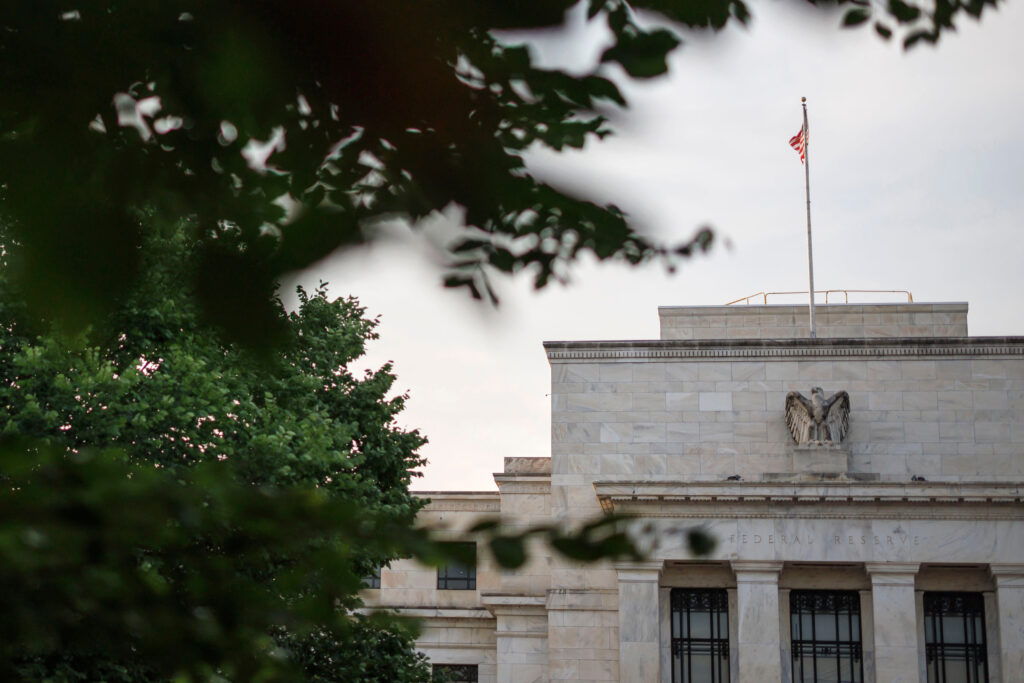
Central banks around the globe, including the U.S. Federal Reserve, the European Central Bank, and the Bank of England, are acutely aware of this persistent inflationary pressure. Although recent data may suggest a decline in headline inflation, the underlying mechanics of inflation remain stubbornly entrenched. The critical question for market participants has shifted from merely speculating on the direction of oil prices to assessing whether inflationary expectations have fundamentally altered. Once consumers, businesses, and labor unions begin to anticipate a more expensive future, central banks find themselves not just battling statistical data but also the psychological aspects of inflation expectations.
The implications of this dynamic are particularly significant for South Africa. The South African Reserve Bank must navigate the complexities of how global price movements impact local inflation and the strength of the rand. If the U.S. Federal Reserve maintains its interest rates at elevated levels for an extended period, the rand’s ability to stabilize diminishes, leading to a scenario where imported inflation becomes increasingly challenging to manage. Furthermore, if global investors pivot toward the U.S. market—attracted by advances in technology and resilient consumer behavior—emerging markets, including South Africa, may find themselves in a more competitive position for attracting investment.
This situation is compounded by economic developments in China, which serves as another cautionary tale. Historically, China has responded to economic slowdowns with aggressive investment strategies, boosting exports and infrastructure development. However, the current landscape reveals a shift: domestic demand is faltering, the property sector remains fragile, and the returns on further investments are diminishing. This transition underscores a fundamental truth that many growth models eventually confront: the challenges of sustaining economic momentum in the face of changing conditions.
For investors and traders, these insights highlight the importance of staying vigilant and informed about the broader economic context. The interplay between global oil prices, inflation expectations, and central bank policies will continue to shape market dynamics. As we navigate this complex terrain, it is essential to consider both immediate trends and longer-term implications for investment strategies.
In conclusion, while the recent easing of oil prices may suggest a momentary victory over inflationary fears, the structural issues that underlie these economic challenges have not disappeared. Both local and global factors will continue to influence inflationary pressures, and understanding these interconnected dynamics is crucial for informed decision-making. As we move forward, it is vital to remain agile, adapting to the evolving economic landscape while keeping a close eye on the persistent grip of inflation and its impact on financial markets.