
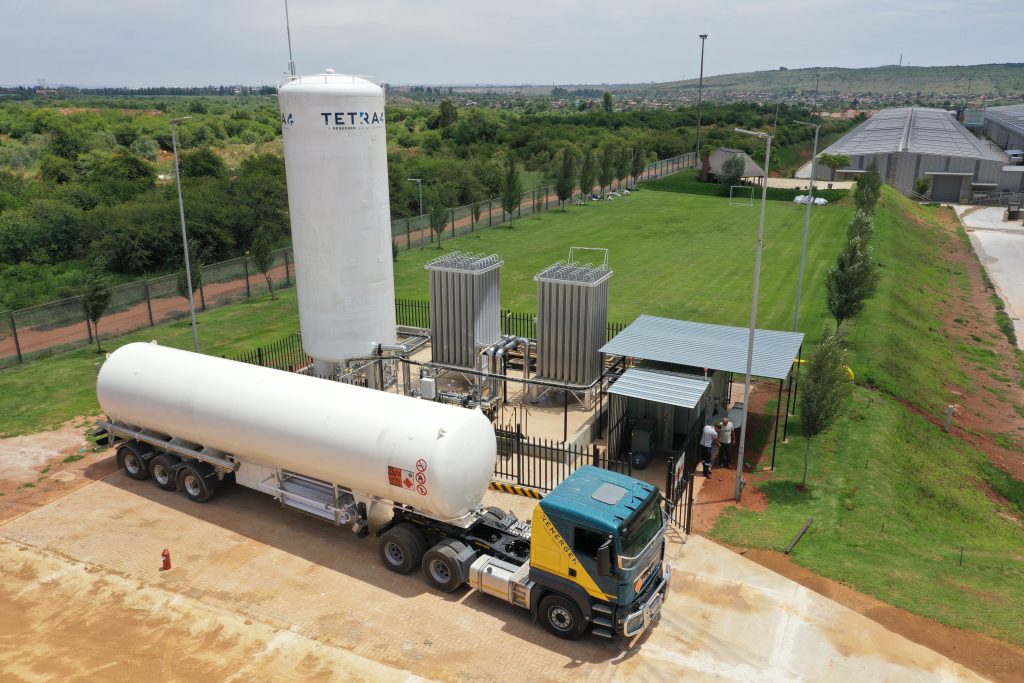
In the dynamic landscape of global commodities, helium has recently emerged as a focal point for investors and traders alike. With the announcement of a significant supply contract by Renergen, a key player in the helium market, the implications for this rare gas are profound. As the world grapples with energy transition and resource scarcity, helium’s importance continues to rise, thanks to its unique applications in various sectors, including technology, healthcare, and manufacturing. This blog post delves into the developments surrounding helium supply, the geopolitical dynamics influencing markets, and what investors need to know moving forward.
In recent news, Renergen made headlines by securing its first contract for the supply of helium. This milestone is not just significant for the company but also for the broader helium market, which has been experiencing fluctuating demand and supply challenges. Helium is primarily used in applications such as MRI machines, semiconductor manufacturing, and in scientific research, making it a critical resource for several high-tech industries. As the supply chain for helium becomes increasingly strained, companies like Renergen are stepping up to fill the gaps.
The helium market is characterized by its unique dynamics. Unlike many other commodities, helium is not abundant in the Earth’s crust and is often found in natural gas deposits. This makes its extraction more complicated and expensive. For years, the market has been dominated by a few key players, leading to concerns about supply stability. The announcement from Renergen signals a shift that could alleviate some of these concerns, as the company has positioned itself to become a significant supplier in the global market.
Key points to consider about the helium market include the following:
1. **Supply Constraints**: Helium supply has been under pressure due to various geopolitical factors and the complexities of extraction. Renergen’s new contract highlights the need for alternative sources of helium as existing suppliers face challenges.
2. **Technological Demand**: The demand for helium is expected to grow, particularly in sectors reliant on advanced technologies. As industries such as healthcare and electronics expand, the reliance on helium will only increase.
3. **Geopolitical Influences**: The global political landscape, particularly the relationship between major powers like the United States and China, plays a crucial role in commodity markets. Discussions around trade, technology access, and resource allocation can significantly impact helium prices and availability.
4. **Investment Opportunities**: As the market evolves, investors should keep a close eye on companies involved in helium extraction and distribution. The recent developments suggest that there may be opportunities for growth in this sector, especially for those willing to navigate its complexities.
For traders and investors, the insights from recent market developments present a unique opportunity to engage with an emerging commodity. Understanding the factors influencing helium supply and demand will be essential in making informed decisions. As companies like Renergen secure contracts and expand their operations, they could potentially become market leaders in a niche but essential sector.
Moreover, the concept of the “Thucydides Trap,” brought up by Jason Swartz during a recent discussion on US-China relations, underscores the significance of geopolitical tensions in shaping market dynamics. Investors must recognize how these broader themes can affect commodity markets, including helium. With the increasing interplay between international relations and trade, the effects on resource availability and pricing will be pivotal in the coming years.
In conclusion, the helium market is at a critical juncture, marked by new developments and challenges. Renergen’s contract is a step toward addressing supply issues, but it also emphasizes the need for strategic investment and awareness of geopolitical factors. As industries continue to evolve and technological demands rise, helium will play an increasingly vital role in the global economy. For investors and traders, staying informed and agile in this market will be key to capitalizing on the opportunities it presents. Engaging with the nuances of the helium market can yield significant rewards, but it requires a careful analysis of both current trends and future implications.