
In a significant shift within Woolworths Group, newly appointed CEO Sam Ngumeni has unveiled a comprehensive restructuring of the retail giant’s leadership framework aimed at streamlining operations and enhancing efficiency. This bold move comes as Ngumeni seeks to redefine the company’s operational landscape following the departure of several key executives and the consolidation of various business units. As Woolworths takes these steps, both investors and traders should pay close attention to the implications of this strategic reset.
Ngumeni’s vision for Woolworths is centered around simplifying its operations to eliminate redundancy and improve overall performance. The changes reflect a pressing need for agility and responsiveness in the competitive retail environment, particularly as consumer preferences continue to evolve and economic pressures mount. With a focus on creating a more cohesive management structure, Ngumeni aims to foster innovation, enhance customer experiences, and ultimately drive profitability.
One of the most notable changes is the ousting of the former CEO of Woolworths’ Fashion, Beauty, and Home (FBH) unit, who had only held the position for nine months. This decision underscores the urgency with which Ngumeni is approaching his mandate, as he seeks to place seasoned leaders in critical roles. Manie Maritz, who previously helmed the FBH division from June 2020 until September 2025, will be stepping in to replace the departing executive. Maritz brings a wealth of experience from his tenure at TFG, where he played a pivotal role in revitalizing the business unit’s fashion segment.
Another key appointment is that of Chan Pillay, who has been promoted to CEO of Woolworths Food, succeeding Ngumeni. Pillay’s background as the commercial director for Food and his involvement in the recent dispute over Beyers Chocolates showcase his capability to navigate complex challenges. His leadership will be crucial as Woolworths looks to enhance its food offerings and capitalize on emerging trends in the grocery sector.
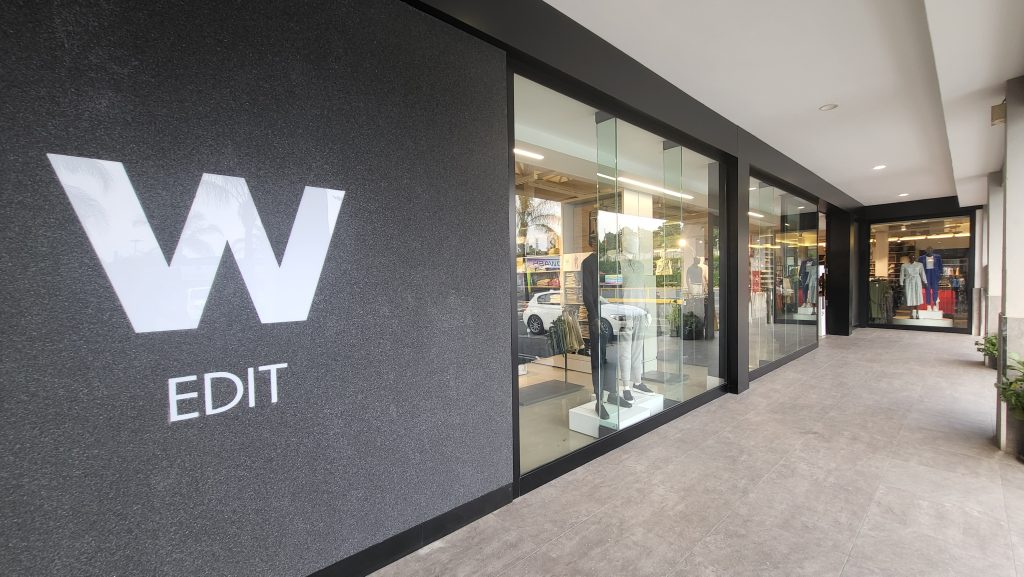
A significant aspect of Ngumeni’s strategy is the decision to dissolve the Woolworths Ventures incubation unit. Ngumeni believes that the unit has fulfilled its purpose and sees an opportunity to integrate smaller brands more effectively into the core business. For instance, the small-format clothing brand WEdit will now be part of FBH, while the boutique liquor store WCellar will transition to the Food division. Such integration is expected to streamline operations and improve synergies across Woolworths’ various business lines.
Perhaps one of the most impactful changes is the establishment of a new Chief Operating Officer (COO) role, designed to consolidate supply chain, logistics, retail operations, and real estate development functions. Bradley Nitsckie, previously the chief supply chain officer, has been appointed to this newly created position. This consolidation aims to foster a more unified approach to operations, enabling Woolworths to enhance efficiency and responsiveness in the face of market changes.
As these leadership transitions unfold, investors should consider the potential implications for Woolworths’ stock performance. The restructuring could position the company for improved profitability, particularly if Ngumeni can effectively drive operational efficiencies and enhance customer engagement. However, the immediate impact of leadership changes can often lead to volatility in stock prices as markets react to uncertainty.
Key points to focus on include:
1. **Leadership Stability**: The rapid turnover in leadership roles may create short-term instability, but the appointments of seasoned executives like Maritz and Pillay indicate a strategic focus on experience and proven success.
2. **Operational Efficiency**: Ngumeni’s push for a streamlined operational model aims to reduce costs and enhance performance, a positive sign for investors looking for improved margins.
3. **Integration of Brands**: The incorporation of smaller brands into core divisions may lead to stronger brand synergy and customer loyalty, which could drive sales growth.
4. **Market Responsiveness**: By consolidating operations under a COO, Woolworths may become more agile and better equipped to adapt to evolving market trends and consumer preferences.
In conclusion, the leadership changes at Woolworths Group mark a significant turning point as Sam Ngumeni embarks on a mission to reset and revitalize the company. For investors, these developments present both opportunities and risks. As the new leadership team takes shape, it will be crucial to monitor how these changes translate into tangible improvements in business performance and shareholder value. As always, staying informed and adaptable will be key for anyone navigating the retail sector in these dynamic times.