
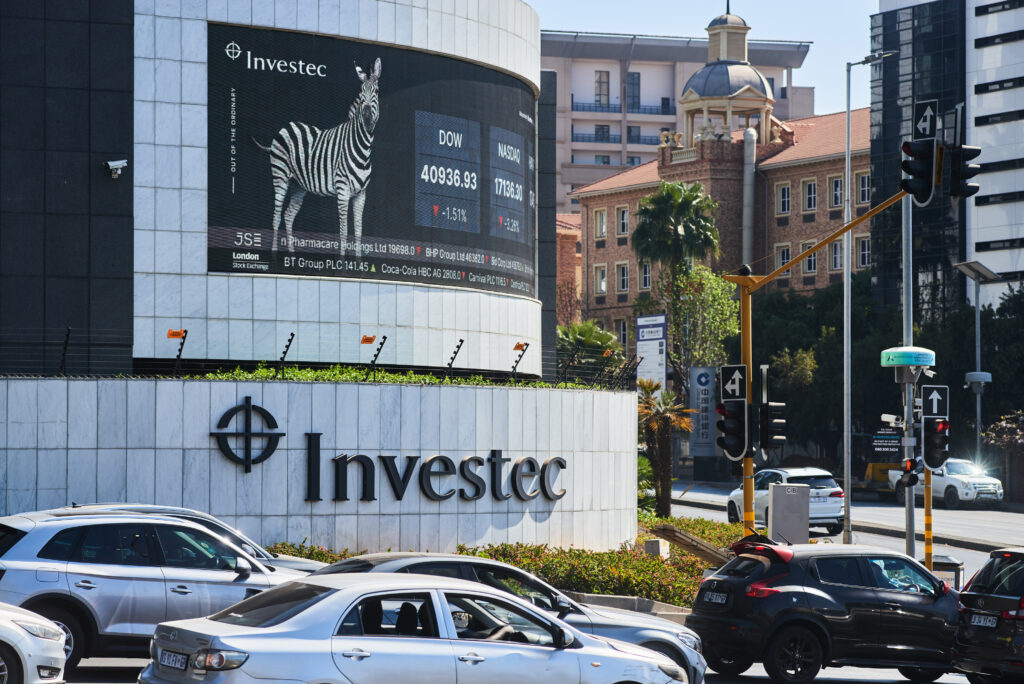
As the global economy faces myriad challenges, South Africa stands at a pivotal juncture. Recent insights from Fani Titi, the CEO of Investec Group, paint an optimistic picture for the nation’s economic landscape, suggesting that growth rates could nearly triple by 2030. This anticipated growth stems from the resolution of long-standing bottlenecks in essential sectors such as electricity and logistics. With the International Monetary Fund (IMF) projecting a more conservative growth of 1.8%, the divergence in outlooks prompts a closer examination of what could underpin South Africa’s economic revival.
Historically, South Africa’s economy has struggled to maintain momentum, averaging growth of less than 1% annually for the past decade. However, Titi’s assertions, based on the findings from the company’s annual integrated report, indicate a potential shift in this narrative. By 2030, growth rates could rise to approximately 3%, driven by structural reforms and improved infrastructure.
One of the primary catalysts identified for this optimistic outlook is Operation Vulindlela, an initiative launched by President Cyril Ramaphosa in 2020. This program was designed to expedite necessary reforms across various sectors, initially focusing on energy and logistics but later expanding to address broader issues such as water infrastructure, municipal performance, spatial inequality, digital transformation, and visa reforms. Titi emphasizes that enhancements in these domains are critical for stimulating economic growth, as they lay the groundwork for a more robust and competitive economy.
The implications of these reforms extend beyond mere statistical growth; they have significantly influenced investor sentiment. A renewed confidence among investors has been reflected in recent upgrades from Fitch Ratings and S&P Global Ratings, marking the first such improvements in decades. Such upgrades are not only symbolic; they have tangible effects on the cost of borrowing and the overall investment climate. In addition, South Africa’s successful exit from the Financial Action Task Force’s “dirty money” list signals a commitment to improving its financial integrity, further enhancing its attractiveness as an investment destination.
Moreover, the fiscal landscape in South Africa is undergoing a transformation. The nation has recorded a third consecutive primary budget surplus, wherein revenues surpass non-interest expenditures. This improvement is crucial, as it allows the government to allocate resources more effectively and supports the overall stability of the economy. Titi notes that lower interest rates, a possible outcome of declining inflation, could further invigorate economic activity. Currently, annual inflation, which recently spiked to 4.5% due to rising energy costs linked to global events, is expected to return to the central bank’s target of 3% by April. This decline would create favorable conditions for a cycle of interest rate cuts, thereby enhancing the lending environment for businesses and consumers alike.
For traders and investors, these developments warrant careful consideration. The anticipated structural changes, coupled with a more favorable regulatory environment, present a range of opportunities across various sectors. Investors should focus on industries likely to benefit from infrastructure improvements, such as renewable energy, logistics, and technology. Additionally, sectors that are traditionally sensitive to interest rates, such as real estate and consumer goods, may become more attractive as borrowing costs decline.
Key takeaways from Titi’s insights include the importance of ongoing reforms, the positive impact of improved investor sentiment, and the potential for a more stable economic environment in South Africa. As the nation navigates its economic landscape, stakeholders must remain vigilant and informed about the evolving opportunities and challenges that may arise.
In conclusion, South Africa’s economic prospects are beginning to shift positively, driven by strategic reforms and improved infrastructure. Fani Titi’s bullish outlook, which contrasts sharply with more conservative forecasts, underscores the potential for a renewed economic identity. For investors, this is a time to stay engaged, as the unfolding developments could lead to a landscape ripe with opportunities. As South Africa embarks on this journey towards revitalization, the world will be watching closely, eager to see if the nation can indeed realize its ambitious economic potential by 2030.