
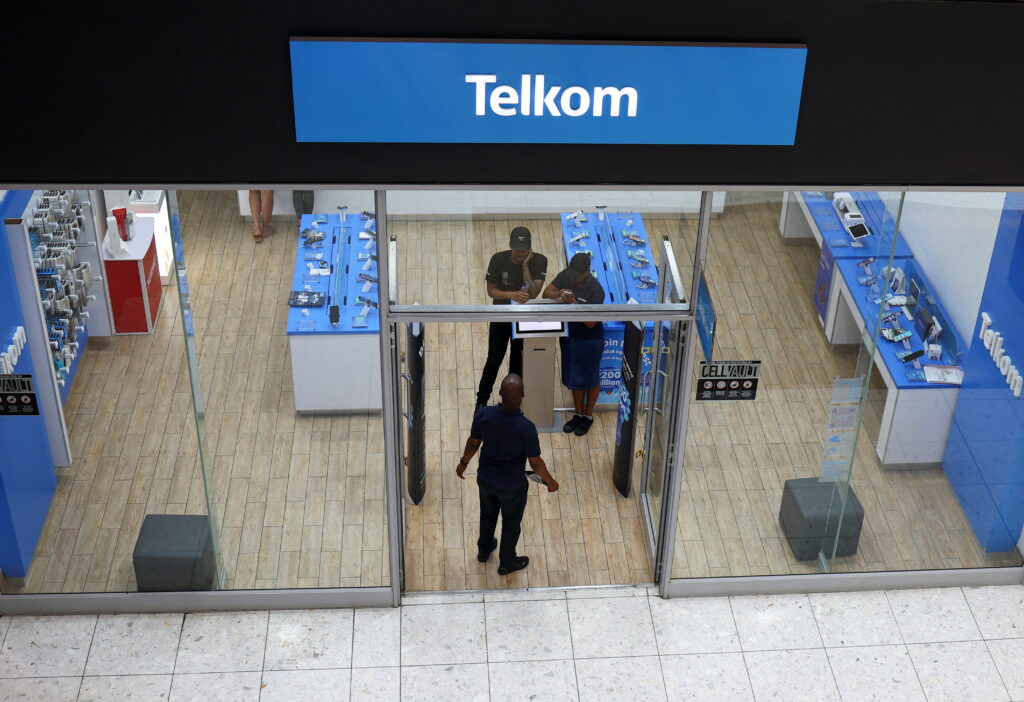
In the world of corporate finance, executive compensation is a topic that often garners significant attention, especially when it involves substantial share awards. Recently, Telkom, a prominent South African telecommunications company, made headlines with its announcement that nine of its top executives would receive R57 million in shares through its forfeitable share plan. This decision has raised eyebrows, especially considering that all of the shares awarded are subject to performance-based vesting conditions that extend until the end of the 2029 fiscal year. In this blog post, we will delve deeper into the implications of these share awards, the performance metrics involved, and what this means for investors and traders alike.
Telkom’s recent share award is noteworthy for several reasons. Firstly, it is quite rare for all shares awarded in a single year to vest at once. Typically, companies implement a staggered vesting schedule over three to five years, which allows time for executives to meet specified performance targets set by the board. However, Telkom’s decision to award 100% of the shares in one go reflects a bold strategy that could either incentivize performance or raise concerns about long-term sustainability.
The most substantial allocation of shares went to Group CEO Serame Taukobong, who received shares valued at R16.5 million. Other notable recipients included the Chief Financial Officer (CFO), who was awarded shares worth R7.6 million, as well as the CEOs of Telkom’s three largest divisions: Telkom Consumer, Openserve, and BCX. This widespread distribution of shares indicates a collective effort by the company’s leadership to drive performance across various sectors of the business.
The performance metrics tied to these share awards are critical to understanding the rationale behind Telkom’s compensation strategy. The company has established a long-term performance plan that incorporates several key performance indicators (KPIs). Notably, 30% of the evaluation is based on headline earnings per share (Heps) growth and total shareholder return, while return on invested capital (ROIC) accounts for 25%. Additionally, 15% of the assessment is linked to environmental, sustainability, and governance metrics. This multi-faceted approach aims to ensure that executive performance aligns with the broader interests of shareholders and stakeholders.
One interesting aspect of Telkom’s compensation framework is the method used to calculate the deemed value of the share awards. The company multiplies each executive’s guaranteed pay by a target weighting that varies based on their level within the organization. This value is then divided by the volume-weighted average price (VWAP) of Telkom shares trading on the Johannesburg Stock Exchange (JSE) following the board meeting. This method ensures that the share awards reflect both the company’s performance and the executives’ contributions to that performance.
As for overall remuneration, Telkom has yet to disclose the total compensation for its executive directors for the fiscal year 2026. This information will be presented in the company’s integrated report, which is expected to be published later this year. However, it is worth noting that Taukobong’s remuneration for the fiscal year 2025 reached R33.29 million, marking an astonishing increase of nearly 270% compared to the previous year. A significant portion of his earnings came from long-term incentives (LTI), totaling R13.4 million, along with a short-term incentive (STI) of R10 million. Meanwhile, the CFO, Dlamini, earned approximately R13 million, evenly divided between guaranteed pay and short-term incentives.
Despite being a state-owned entity, Telkom has seen strong support for its remuneration practices, achieving a remarkable 96% approval rating for both its remuneration policy and its implementation in last year’s non-binding votes. Furthermore, the company received a staggering 99.6% approval for non-executive directors’ fees, indicating a high level of confidence from shareholders regarding the board’s compensation decisions.
For traders and investors, the implications of Telkom’s share awards are significant. The company currently has a market value of R30 billion, with its share price remaining stable year-to-date despite a 24% increase over the past year. Investors will want to closely monitor how the performance metrics tied to the share awards affect both the company’s financial performance and the stock price in the coming years.
In conclusion, Telkom’s recent share award decisions reflect a bold approach to executive compensation that prioritizes performance-based incentives. While the immediate financial implications appear promising, the long-term impact on the company’s sustainability and shareholder value remains to be seen. As Telkom navigates the complexities of the telecommunications market, stakeholders will be keenly observing how these executive decisions translate into tangible results for the company and its investors. This situation serves as a reminder of the delicate balance between rewarding leadership and ensuring accountability in corporate governance.