
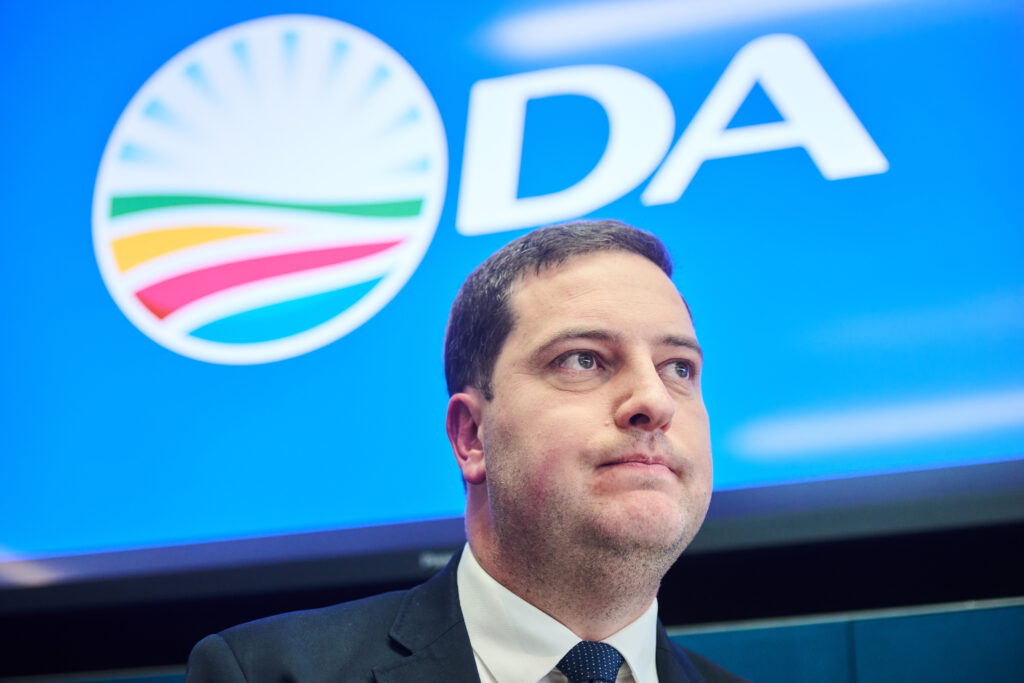
In recent months, South Africa has witnessed a troubling resurgence of xenophobic sentiment manifesting in protests and violence against immigrants. This tension, fueled by economic challenges, has drawn attention from political leaders and the international community alike. Geordin Hill-Lewis, the leader of the Democratic Alliance and mayor of Cape Town, has emerged as a prominent voice advocating for the protection of immigrants and a united approach to addressing the underlying issues that have led to such unrest. His stance not only reflects a commitment to human rights but also highlights the potential economic ramifications of allowing xenophobia to fester unchecked.
At the heart of the xenophobic protests is a complex web of social and economic grievances. South Africa is grappling with severe unemployment, violent crime, and a general decline in public services. As frustrated citizens seek someone to blame for their hardships, immigrants have often become scapegoats in this volatile environment. Hill-Lewis has emphasized that these individuals, who come to South Africa in search of better opportunities, should not be held responsible for the country’s systemic issues.
In a recent address, Hill-Lewis called on government officials at all levels to take action to de-escalate tensions and protect vulnerable communities. He urged mayors, ministers, and law enforcement agencies to prioritize safety and the rule of law over populist politics that may incite further violence. His message was clear: the solution lies not in targeting immigrants but in addressing the core problems plaguing the nation—namely an economy that is stagnating and a government that has struggled to provide essential services.
One of the critical points raised by Hill-Lewis is the need for strong leadership during times of crisis. President Cyril Ramaphosa has also acknowledged the challenges posed by illegal immigration and has pledged to enhance border security and deport undocumented migrants. However, critics argue that simply focusing on enforcement does not address the root causes of discontent. Hill-Lewis pointed out that a thriving economy, effective governance, and the creation of job opportunities are the real answers to the frustrations that many South Africans feel.
The economic implications of xenophobia are significant. A rise in anti-immigrant sentiment can lead to decreased investment, as businesses may shy away from operating in an environment rife with social unrest. Furthermore, the alienation of immigrants—who often contribute to the economy through entrepreneurship and labor—could stifle growth and innovation. Hill-Lewis has made it clear that immigrants are not the enemy; they are often hardworking individuals who add value to South African society.
Key takeaways from this situation include the recognition that hatred and violence are not solutions to economic woes. Instead, fostering a climate of inclusivity and cooperation is essential for long-term stability. Hill-Lewis’ call for collaboration among political leaders, law enforcement, and communities serves as a reminder that unity is crucial in overcoming adversity.
For traders and investors watching the South African market, understanding the socio-political climate is vital. Continued unrest could lead to volatility in the financial markets, affecting everything from currency values to stock performance. Investors should also consider the implications of government policies on immigration and labor markets, as these factors can significantly impact economic growth and overall market sentiment.
The conclusion drawn from this ongoing situation is that South Africa stands at a crossroads. The nation can choose to embrace its diversity and work towards a more inclusive society, or it can allow xenophobic sentiments to derail progress and economic development. Leaders like Hill-Lewis are advocating for a path that prioritizes safety, stability, and economic prosperity for all, regardless of their origin. In a globalized world, cooperation and mutual respect are not merely ideals but necessities for a thriving future. As South Africa navigates these turbulent waters, the hope is that the voices of reason will prevail, fostering a society where everyone can contribute to and benefit from the nation’s growth.