
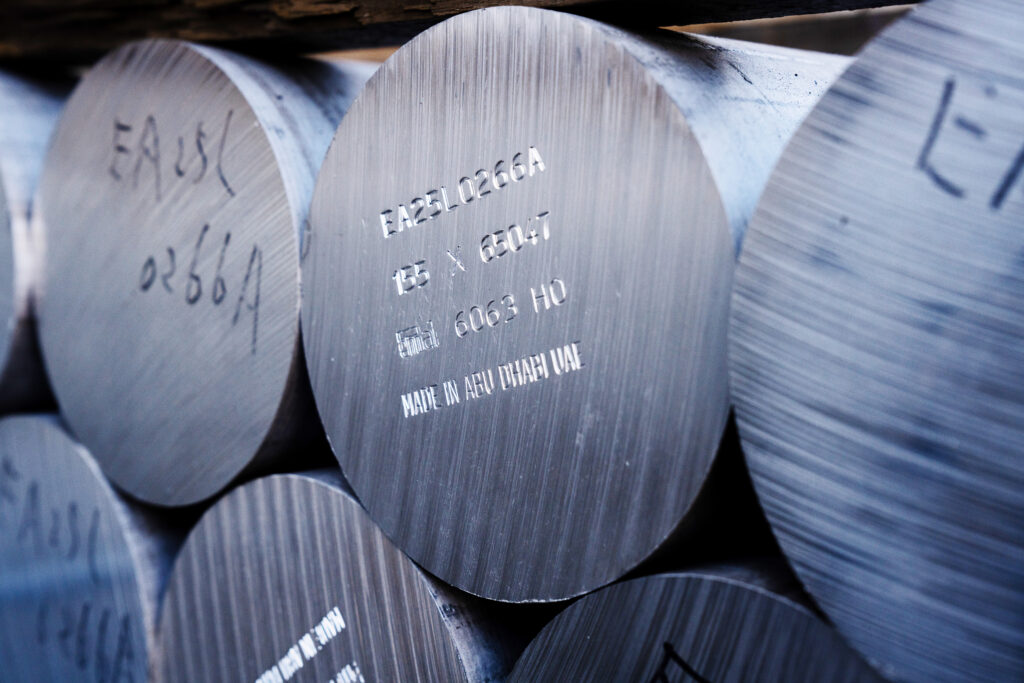
The aluminium market is currently experiencing significant turbulence, with prices set to decline for the fourth consecutive week. This marks the longest downturn since April 2025, highlighting the ongoing challenges facing this key industrial metal. The combination of a stronger US dollar, renewed supply from the Middle East, and broader economic pressures, particularly in Asian technology stocks, has created a perfect storm that is impacting aluminium’s market performance.
In recent days, aluminium has been on a downward trajectory, with projections indicating a potential loss of around 7% for the week. One of the primary catalysts for this decline is the recent interim peace deal between the US and Iran, which has stirred expectations of increased shipments from the Middle East. This region is crucial for global aluminium production, accounting for approximately ten percent of the total output. The ongoing conflict had previously disrupted local smelters and restricted the movement of aluminium and raw materials in and out of this critical area. However, even as the prospect of renewed supply looms, concerns remain regarding the safe passage of shipments, especially following an attack on a cargo ship, which has reignited fears about the security of transport routes through the Strait of Hormuz.
Moreover, the volatility in the market is not limited to aluminium alone; other industrial metals, including copper and nickel, have also experienced declines. This correlation can be attributed to the strong ties between the metals market and the technology sector. As technology stocks in Asia face renewed selloffs, the ripple effect is felt across the commodities market, particularly impacting metals due to their integral role in electronics, wiring, and the burgeoning field of artificial intelligence.
Investors and traders should consider several key points as they navigate this challenging environment. First, the US dollar’s strength has been a significant factor in aluminium’s price decline. With the dollar gaining approximately 0.7% this week, metals priced in US currency become more expensive for international buyers, dampening demand. This dynamic underscores the importance of monitoring currency fluctuations when making investment decisions in the commodities market.
Another critical factor influencing aluminium prices is the potential for interest rate hikes by the US Federal Reserve. Recent statements from policymakers suggest an inclination towards increasing rates in the coming months. Higher borrowing costs can pose challenges for non-yielding commodities like aluminium, making them less attractive compared to interest-bearing assets such as government bonds. This environment can lead to a shift in investor sentiment, further compounding the pressures on aluminium prices.
As aluminium continues to navigate these turbulent waters, brokerage firms like Jinrui Futures have indicated that bearish short-term macroeconomic sentiment will likely keep prices subdued. The current market conditions call for traders and investors to exercise caution and remain vigilant about the factors influencing supply and demand dynamics.
For traders looking to capitalize on the current market conditions, there are several strategies to consider. Firstly, implementing a hedging strategy can help mitigate risk in a volatile market. By utilizing options or futures contracts, traders can protect themselves against adverse price movements while maintaining exposure to potential upside. Additionally, staying informed about geopolitical developments, particularly in the Middle East, is crucial for anticipating shifts in supply and demand.
Investors should also diversify their portfolios to mitigate risk exposure to any single commodity. Allocating funds across various sectors, including technology and alternative energy, can provide a buffer against the uncertainties plaguing the aluminium market. Furthermore, keeping an eye on macroeconomic indicators, such as inflation rates and employment data, can offer valuable insights into future market movements.
In conclusion, the aluminium market is currently grappling with a confluence of challenges, from geopolitical tensions to currency fluctuations and economic policy shifts. As prices continue to decline, traders and investors must remain agile and informed to navigate this complex landscape. By understanding the underlying factors driving the market and employing strategic approaches, market participants can better position themselves to manage risk and seize potential opportunities in the ever-evolving world of commodities.