
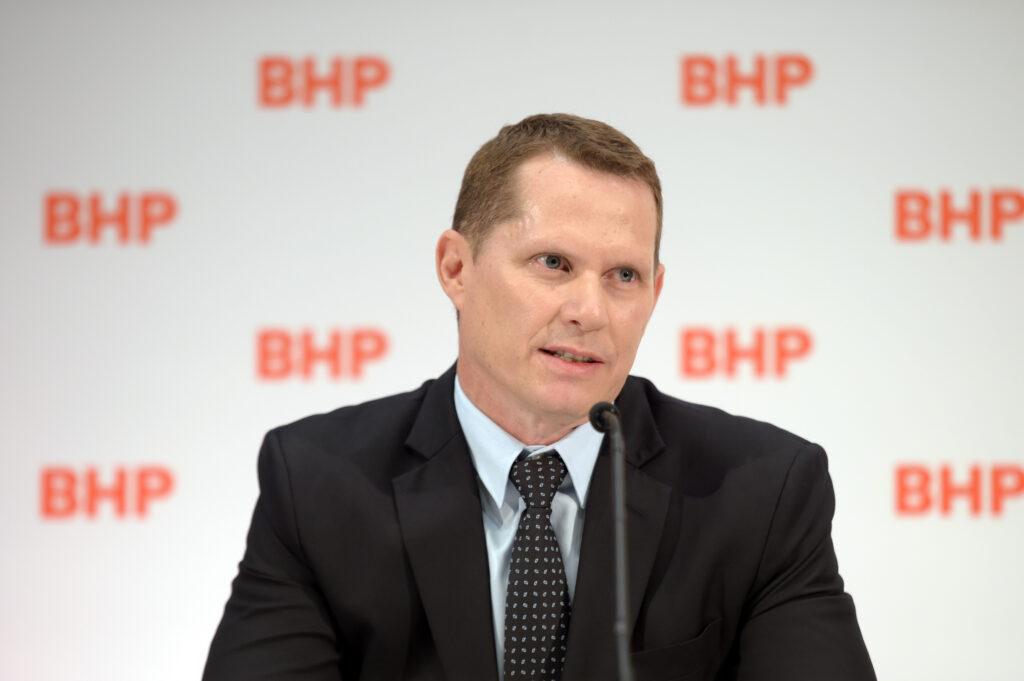
In a significant move that signals a new era for BHP Group, Brandon Craig, the soon-to-be Chief Executive Officer (CEO), has made notable adjustments to the company’s leadership structure ahead of his official start date on July 1. This reshuffle not only reflects Craig’s vision for the company’s future but also highlights the strategic importance of different regions in BHP’s growth trajectory. This blog post will delve into these changes, their implications, and what investors should consider moving forward.
As Craig prepares to take the helm, he is setting the stage for a leadership team that aligns with BHP’s ambitious growth objectives and its commitment to social value creation. The restructuring is substantial, especially with the split of the President of Americas role into two distinct positions. Jessica Farrell, who previously led BHP’s nickel operations, will take charge of North American operations. This region is pivotal for BHP, particularly due to its involvement in key projects such as the Jansen potash initiative and the Resolution copper development. Additionally, Farrell will oversee South America until a suitable candidate is appointed, a region that harbors BHP’s largest copper growth opportunities.
The changes extend beyond regional leadership. Edgar Basto, currently the Chief Operating Officer, will transition to the role of Chief Enterprise Performance Officer come September. His responsibilities will broaden to include enhancing contractor safety measures, an increasingly vital aspect of operations in the mining sector. Meanwhile, several executives, including Geraldine Slattery, the President of Australia, will maintain or expand their roles, ensuring continuity and stability during this transition period. This suggests that Craig values existing leadership while also pushing for fresh perspectives on crucial issues.
These strategic appointments come on the heels of Craig’s election as CEO, following Mike Henry’s departure. Under Henry’s leadership, BHP underwent a substantial transformation, focusing on streamlining operations by divesting from oil and gas sectors and shedding non-core assets. This has positioned BHP as a more straightforward, manageable entity, allowing for a sharp focus on its mining operations. Craig’s adjustments appear to build on this foundation, aligning the company more closely with its growth aspirations and operational effectiveness.
For investors, these leadership changes may prompt several key takeaways. First and foremost, the appointment of leaders with deep industry expertise, like Farrell, is promising. Her experience managing BHP’s nickel business and her new role overseeing significant growth projects in North America and South America will be crucial as the company seeks to enhance its production capabilities. Investors should keep an eye on the progress of these projects, as they are expected to contribute significantly to BHP’s revenue streams.
Moreover, Basto’s new focus on enterprise performance and contractor safety reflects a broader industry trend toward risk management and sustainability. As environmental, social, and governance (ESG) factors become increasingly important to investors, BHP’s commitment to improving safety standards can enhance its reputation and potentially attract long-term investors who prioritize these values.
On the other hand, the continuity of leadership within established roles may provide a sense of stability during this transitional phase. Executives like Slattery, Pant, and Udd are familiar with the company’s operations and strategic goals, which can help mitigate uncertainty as Craig implements his vision. This could be reassuring for investors concerned about abrupt changes affecting operational efficiency.
In conclusion, BHP Group’s leadership shake-up marks a significant moment in the company’s evolution as it gears up to meet future challenges and capitalize on growth opportunities. With a focus on regional leadership, safety performance, and a commitment to social value creation, Craig’s adjustments could potentially streamline operations and enhance BHP’s market position. For investors, the impact of these changes will unfold over time, but the emphasis on expertise and continuity suggests a proactive approach to navigating the complexities of the mining industry. As always, keeping a close eye on the developments within BHP and its strategic initiatives will be essential for making informed investment decisions in the coming months.