
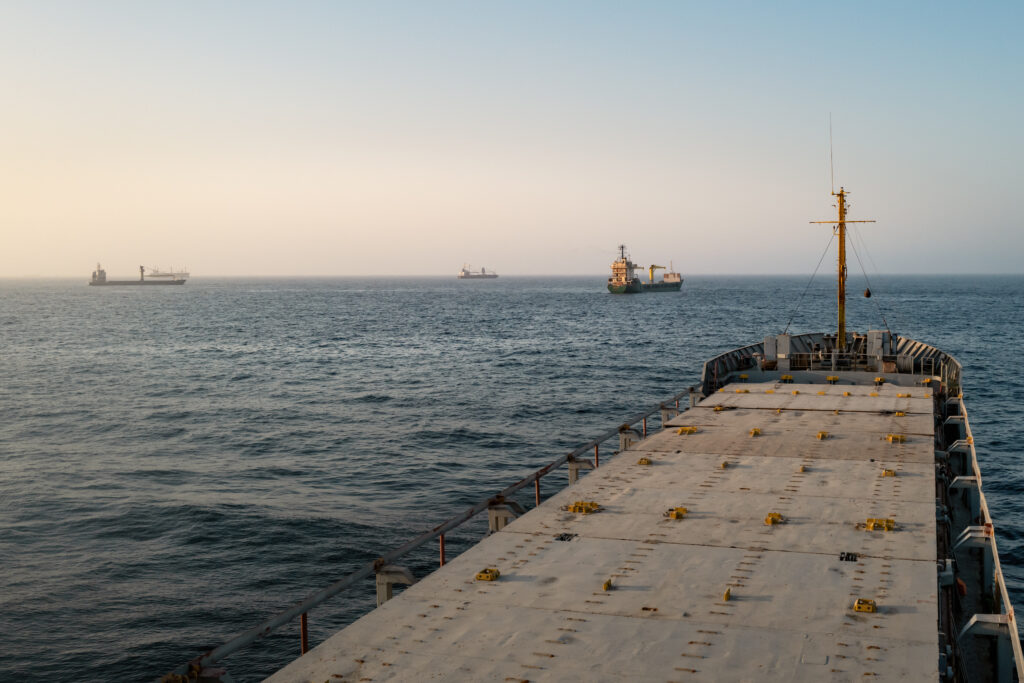
The Strait of Hormuz has once again found itself at the center of international attention following an attack on a container vessel, raising alarms across the shipping industry. While this vital maritime passage continues to facilitate trade flows, the incident has prompted shipowners to rethink their strategies. This blog post will delve into the implications of this recent attack, the current state of shipping traffic in the region, and what it means for traders and investors moving forward.
The Strait of Hormuz, a narrow waterway that connects the Persian Gulf to the Arabian Sea, is crucial for global oil transportation. Approximately 20% of the world’s crude oil passes through this strait, making it a strategic point for international trade. Recently, the region has experienced heightened tensions, particularly after a recent attack on the container ship Ever Lovely. This incident is the first of its kind since a tentative peace agreement was reached between the United States and Iran, making the situation even more precarious.
Despite the attack, shipping traffic has not entirely ceased. Data shows that several vessels, including fully laden tankers, have continued to navigate the strait. Ship-tracking information indicates that two tankers are currently leaving the Persian Gulf while others are making their way toward the region. This suggests a level of resilience among shipping operators, who continue to engage in trade even amid rising threats.
However, the attack has certainly caused some shipowners to reassess their operational plans. According to industry insiders, there is a growing sentiment among shipping companies to reconsider exit strategies. One Asia-based company has instructed its staff to keep vessels within the Gulf as executives evaluate their options for transit. This cautious approach reflects the uncertainty that permeates the region, as shipowners weigh the risks of operating in such a volatile environment.
Before the attack, the maritime traffic in the Strait of Hormuz had begun to stabilize. The average daily crossings of tankers had more than tripled, rising from just six vessels per day during the conflict to over twenty. This increase was largely attributed to the recent interim agreement between the US and Iran, which had provided some optimism for the safe passage of goods. However, the recent strike threatens to unravel this progress, leaving many to wonder whether the region can achieve a sustainable peace.
Key points to consider in the aftermath of this incident include the strategic choices made by shipping companies. Some vessels have opted for alternative routes, including navigating closer to Iranian waters, which, while risky, may offer a solution for some traders looking to avoid potential conflicts in the strait. The International Maritime Organization recognizes these routes, but they come with their own set of challenges and uncertainties.
Furthermore, the geopolitical landscape surrounding the Strait of Hormuz continues to be complex. The US government has made it clear that any form of tolling or fees imposed by Iran on vessels passing through the strait would be unacceptable. This assertion was reinforced during Secretary of State Marco Rubio’s recent visit to Gulf Arab nations, where he emphasized the potential chaos that could ensue if tolling were to become a norm in this strategic waterway.
For traders and investors, the ongoing developments in the Strait of Hormuz present both challenges and opportunities. The volatility of the region can create short-term price fluctuations in oil and shipping costs, offering savvy traders the chance to capitalize on these changes. However, the risks involved necessitate a careful assessment of the geopolitical landscape and a clear understanding of how these events may impact supply chains and trade routes.
In conclusion, the recent attack on the Ever Lovely serves as a stark reminder of the fragility of maritime trade in the Strait of Hormuz. While shipping traffic continues, the incident has reignited concerns about the safety of this critical passageway. As shipowners reassess their strategies and navigate the complexities of a potentially unstable situation, traders and investors must remain vigilant. Understanding the dynamics at play in the region will be essential for making informed decisions in the face of uncertainty. The Strait of Hormuz may be a crucial artery for global trade, but navigating its waters requires a keen awareness of both the risks and opportunities that lie ahead.