
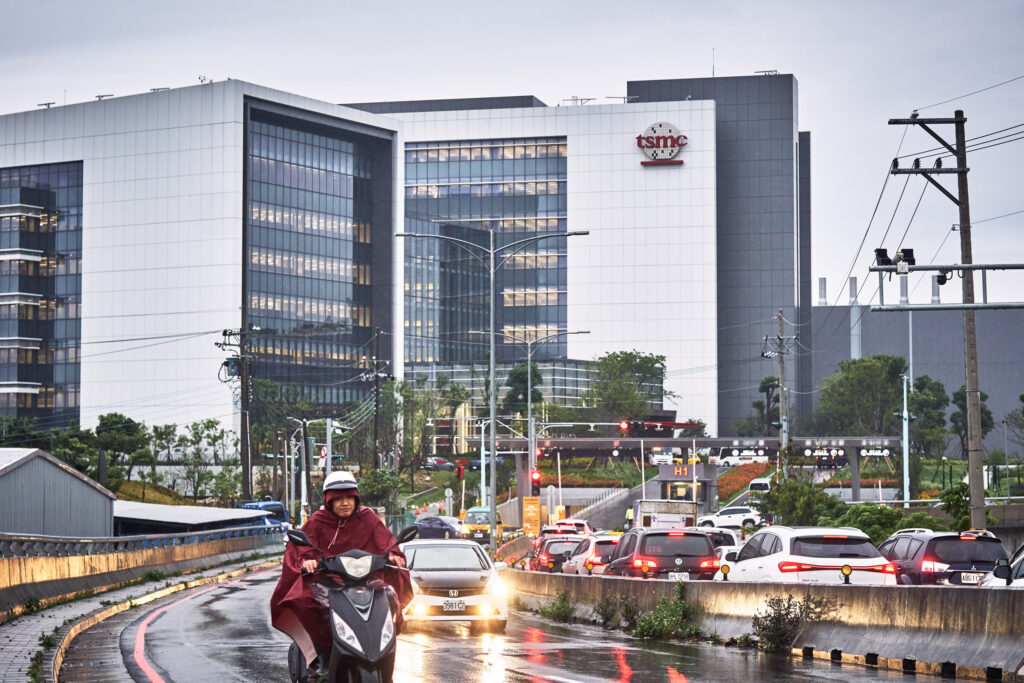
In recent months, Taiwan has emerged as a focal point in the global stock market landscape, primarily driven by a surge in technology stocks associated with artificial intelligence (AI). This phenomenon, characterized by soaring investments and a youthful enthusiasm for trading, offers a glimpse into the financial dynamics and cultural shifts currently reshaping the island’s economy. As Taiwan’s stock market skyrockets, it raises essential questions about sustainability and the potential risks involved in this frenetic environment.
The Taiwanese stock market has witnessed an extraordinary rally, with an impressive rise of over 100% in the past year, even amidst a broader tech selloff impacting many Asian markets. This remarkable growth has propelled Taiwan to become the world’s fifth-largest stock market, surpassing established financial hubs like the UK, Canada, and India. The driving force behind this boom can largely be attributed to the island’s status as a leading producer of semiconductor chips, which are integral to powering cutting-edge technology, especially AI applications.
At the heart of this investment surge are the island’s younger generations. Take, for instance, the story of Andy Cheng, a 26-year-old unemployed individual who, despite his financial circumstances, has invested $60,000 in Taiwanese tech stocks, funded by borrowed money. Cheng’s bullish outlook reflects a broader sentiment among his peers, who are eager to enter the stock market and capitalize on the prevailing trend. With brokerage firms reporting a significant uptick in trading volumes and a deluge of new accounts being opened, it is evident that a new wave of investors is eager to ride the AI wave.
However, this rampant enthusiasm for stock trading has not come without its challenges. Many brokerage firms have reached their internal limits on loans, forcing them to tighten lending criteria and raise interest rates. Consequently, investors who find themselves unable to secure loans from their brokers often turn to banks for additional leverage, leading to an escalating borrowing spree across the financial system. This has raised concerns among market observers, particularly as the intensity of borrowing has disrupted even central bank operations, evidenced by an unusual lack of buyers in a recent debt auction.
The current market dynamics have led to a significant divide in perspectives among investors and analysts. On one side, there are those who view Taiwan’s stock market as a classic case of speculative excess, arguing that the rapid price increases represent an overheated environment ripe for a correction. Dachrahn Wu, an economics professor at National Central University, emphasizes the potential dangers that young investors may face if the market experiences a sudden downturn, which could result in substantial financial losses for those who mistake equities for a guaranteed path to wealth.
Conversely, some investors, like Andy Cheng, maintain a more optimistic viewpoint. Cheng dismisses concerns about a potential market bubble, attributing the current state of affairs to genuine growth driven by technological advancements rather than mere speculation. This divide highlights the complexities of the current market sentiment, where exuberance coexists with caution.
As the market continues to experience volatility, traders and investors should consider several key points. First and foremost, understanding the fundamentals of the companies in which they are investing is crucial. While the allure of rapid gains can be tempting, a thorough evaluation of a company’s financial health and growth potential should guide investment decisions. Additionally, awareness of market conditions and external factors influencing stock prices can help investors navigate potential pitfalls.
Moreover, diversifying investment portfolios is another prudent strategy to mitigate risk. Relying too heavily on a single sector, especially one as dynamic as technology, may expose investors to heightened volatility. By spreading investments across various industries and asset classes, individuals can better manage their overall risk exposure.
In conclusion, Taiwan’s stock market frenzy presents a compelling case study of how technological advancements, particularly in AI, can dramatically influence investment landscapes. While the enthusiasm among young investors is encouraging, it is essential to approach the market with a balanced perspective. Acknowledging both the potential for growth and the inherent risks will enable investors to make informed decisions in an ever-evolving financial environment. As Taiwan continues to carve its niche in the global market, the lessons learned from this period will likely resonate for years to come, shaping the future of investment strategies and financial literacy on the island.