
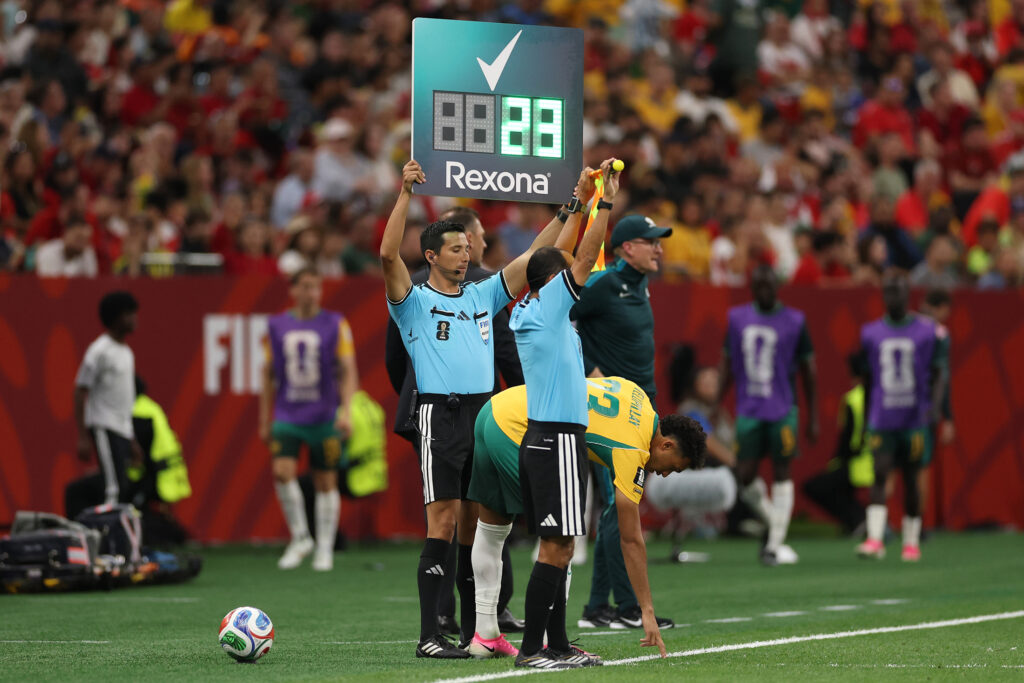
As the world gears up for the 2026 FIFA World Cup, the excitement is palpable, not just among fans and players, but also in the advertising sector. This global spectacle, expected to capture the attention of over 6 billion viewers, presents a significant opportunity for brands to enhance their visibility. However, navigating this expansive and competitive advertising landscape poses unique challenges that marketers must strategically address.
The 2026 FIFA World Cup is set to be the largest tournament in history, featuring an unprecedented number of teams, matches, and host cities compared to its recent predecessor in Qatar. Spanning 39 days, the event will not only showcase the world’s best soccer talent but also provide a platform for advertisers to engage with a diverse and expansive audience. Yet, as Michele Harrison from Ebiquity points out, the fragmented nature of the event, coupled with high costs, complicates the advertising strategy for many brands.
The appeal of the World Cup to advertisers lies in its massive viewership. Early reports indicate that TV ratings for the tournament are significantly outpacing those from 2022. For instance, Fox Corp has recorded an impressive average of 5.7 million viewers per game as of mid-June, more than double the numbers from the previous tournament. Meanwhile, Telemundo, the Spanish-language broadcaster for the U.S. market, has also set viewership records, including the most-watched opening game in history. This surge in viewership is particularly advantageous for advertisers, as the tournament falls during prime time in North American time zones, making it easier for brands to connect with their target audiences.
One of the key factors contributing to the attractiveness of the 2026 World Cup is the promise of high ratings for U.S. matches. Sean Muller, CEO of iSpot.tv, emphasizes that these matches are expected to deliver remarkable ratings, creating golden opportunities for brands to showcase their support for soccer and the U.S. team. Major brands such as Hyundai, Anheuser-Busch with its Michelob Ultra, and PepsiCo are already stepping up their marketing efforts in anticipation of the event. Notably, immersive experiences and celebrity endorsements are becoming increasingly common, with around 75% of advertisements featuring famous personalities.
Furthermore, the advertising landscape is evolving with innovative strategies. Fox has been utilizing the tournament’s hydration breaks to create additional advertising slots, potentially generating around 800 extra ad spaces. This approach could significantly enhance the network’s advertising revenue, potentially exceeding the $800 million earnings from last year’s Super Bowl. While Fox has not disclosed specific revenue estimates, the anticipation surrounding ad sales is palpable, with both Fox and Telemundo reportedly selling out their ad inventory.
For advertisers, the World Cup is not just an event; it’s a multi-faceted platform that requires careful planning and creativity. Brands need to stand out in a crowded marketplace where competition is fierce. The trend of utilizing celebrities and soccer legends in commercials suggests a shift towards creating memorable and engaging content that resonates with viewers. This strategy not only boosts brand recognition but also creates a connection with the audience, enhancing the overall impact of the advertising campaign.
Investors and traders in the advertising sector should take note of the dynamic nature of this marketplace. The significant investment by networks for broadcasting rights, coupled with their strategies to maximize ad revenue, indicates a robust potential for growth in this sector. Brands that can effectively leverage the World Cup’s popularity while navigating the complexities of advertising will likely see substantial returns on their investments.
In conclusion, the 2026 FIFA World Cup presents a unique and multifaceted opportunity for advertisers. With a vast global audience, innovative marketing strategies, and the potential for impressive ratings, brands have a chance to make a significant impact. However, the fragmented advertising environment and rising costs require careful planning and execution. For those willing to navigate these challenges, the rewards could be substantial, making this World Cup not just a celebration of soccer but also a pivotal moment for advertisers and investors alike.