
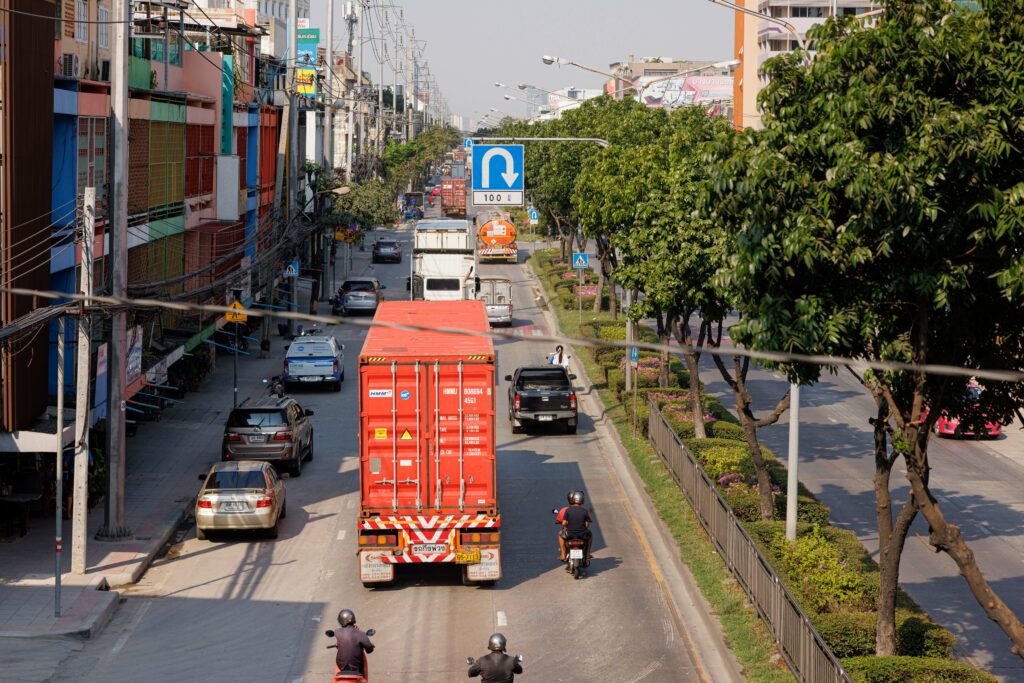
In the ever-evolving landscape of global trade, certain economies are emerging as potential game-changers, particularly Thailand, the Philippines, and Argentina. A recent analysis by Verisk Maplecroft, a United Kingdom-based risk intelligence firm, highlights these nations as promising yet underutilized players that could significantly enhance the resilience of global supply chains. As companies increasingly seek diversification beyond traditional cost and efficiency metrics, it is imperative for investors and traders to understand the opportunities and challenges these countries present.
The geopolitical landscape has created a new reality for global trade, with approximately one-third of the world’s busiest ports and airports facing threats from conflicts, environmental issues, and domestic security risks. This precarious situation has prompted companies to reconsider their supply chain strategies, leading to a growing interest in economies that have previously been overlooked. The report suggests that the current climate presents a unique opportunity for “rising stars” within the global economy, particularly in regions like Southeast Asia and Latin America.
A key finding of the analysis points to the challenges faced by traditional supply chain hubs, particularly in light of recent geopolitical tensions, such as the ongoing conflict in the Strait of Hormuz. This situation has created immediate obstacles for countries like Thailand and the Philippines. However, Verisk Maplecroft argues that investors who adopt a long-term perspective will find the potential in these markets to be compelling, despite the current uncertainties.
The report identifies three main factors that contribute to the supply chain potential in these emerging economies: market openness, regulatory frameworks, and labor rights. For the Philippines, the allure remains strong despite political turbulence, including a significant corruption scandal that has undermined foreign investment. The government’s economic growth forecast has been adjusted downward in light of these challenges, yet there are ongoing efforts to attract investment and streamline business operations. Laura Schwartz, a senior analyst at Verisk Maplecroft, notes that while political chaos can impede policymaking, it can also coexist with initiatives aimed at promoting economic growth.
The Philippines boasts a young, English-speaking workforce, which positions it favorably for sectors such as industrial services and outsourcing. For investors confident in their supply chain management systems, the risks associated with corruption may not be insurmountable. Schwartz emphasizes that while challenges exist, the potential for growth remains significant.
Thailand, on the other hand, has seen a reduction in risks over the past five years compared to its regional counterparts. The country’s electronics sector, in particular, is benefiting from increasing investments in artificial intelligence. This positions Thailand as an attractive destination for higher-value supply chain operations, even in the context of an aging workforce and relatively higher labor costs. The report suggests that Thailand has the right ingredients to become a key player in the supply chain ecosystem.
Argentina, while not as prominently mentioned in the initial discussion, also merits attention. As a nation rich in natural resources and agricultural outputs, Argentina’s potential in global supply chains lies in its capacity to leverage these assets. However, political instability and economic challenges have historically hampered its growth. Investors must exercise caution but also recognize the long-term benefits that could arise from engagement in the Argentine market.
Key takeaways from this analysis include the following points:
1. **Resilience Over Cost**: Companies are shifting their focus from solely cost-driven decisions to more resilient supply chain strategies that consider geopolitical risks and diversification.
2. **Long-Term Perspective**: Investors willing to navigate the complexities of emerging markets like Thailand, the Philippines, and Argentina may find substantial opportunities for growth.
3. **Regulatory and Labor Factors**: Understanding the regulatory environment and labor dynamics in these countries is essential for successful investment and supply chain management.
For traders and investors, the insights from Verisk Maplecroft underscore the importance of looking beyond traditional markets. The potential in Thailand and the Philippines, despite their challenges, is increasingly attractive for those who can manage risk effectively.
In conclusion, the analysis of Thailand, the Philippines, and Argentina reveals a landscape ripe with opportunity for savvy investors and traders. As global supply chains adapt to new realities, these economies are well-positioned to play a pivotal role. By fostering a deeper understanding of the unique challenges and advantages present in these markets, stakeholders can make informed decisions that align with the shifting dynamics of global trade.